How Christmas Tree Farms Grow a Seven-Foot Fraser Fir Tree
Published October 26, 2026 · By Christmas Tree Farm Finder

A seven-foot Fraser fir sitting in a living room looks effortless; it stands balanced, smells of citrus rind and holds heavy ornaments without drooping. Getting that tree to harvest height took roughly a decade of muddy work boots, sharp blades and constant weather monitoring on a steep hillside. Most people see the finished evergreen in late November; growers see eight to ten years of calculated decisions carved into wood.
The Mountain Elevation Mandate
Fraser firs are native to the Southern Appalachians; they demand cool summers and abundant rainfall to thrive. If you plant them in warm lowland loam, they stall out or succumb to root rot before reaching waist height. Growers look for elevations above three thousand feet; mountain air keeps bud development slow, compact and sturdy.
Testing and Amending the Soil
Before a single seedling enters the dirt, soil chemistry requires meticulous adjustments. Mountain soils often skew heavily acidic; growers spread agricultural lime to lift the pH toward five point five. Incorporating balanced phosphorus encourages early root spread; without that initial baseline, young transplants languish during their first dry spell.
The Critical Role of Subsurface Drainage
Frasers refuse to tolerate standing water around their taproots for even a few consecutive days. Sloped hillsides provide natural runoff; farmers often install French drains or contour ditches along gentle plateaus to keep moisture moving. Stagnant moisture invites soilborne fungi; once water pools around roots, entire blocks of young trees can die within a single humid summer.
Sourcing Seed from Proven Wild Genetics
Quality trees start on windswept ridges like Roan Mountain or Mount Rogers. Seed collectors gather cones from mature native stands in late August before scales pop open; these specific genetic lines produce tight branch tiers and deep needle color. According to production standards outlined by the National Christmas Tree Association, choosing reputable regional provenance makes the difference between a dense conifer and a spindly specimen.
Two Years in the Seedbed
The tiny seeds spend their first twenty-four months in elevated sandy nursery beds under shade cloth. Growers monitor them daily for damping-off disease; irrigation must remain precise because young seedlings burn easily under direct mountain sunlight. By the end of year two, the seedling measures barely five inches tall; its primary accomplishment is anchoring a tangled root system in the sand.
The Line-Out Phase in Nursery Beds
Growers rarely move a tender two-year-old seedling straight into an open hillside pasture. Instead, they transplant the stock into secondary nursery beds for another two seasons; in industry vernacular, these are known as two-plus-two transplants. That secondary stay thickens the stem and promotes fibrous branching; it ensures the plant has the structural heft to survive competing pasture grasses.
Setting Transplants into the Field Matrix
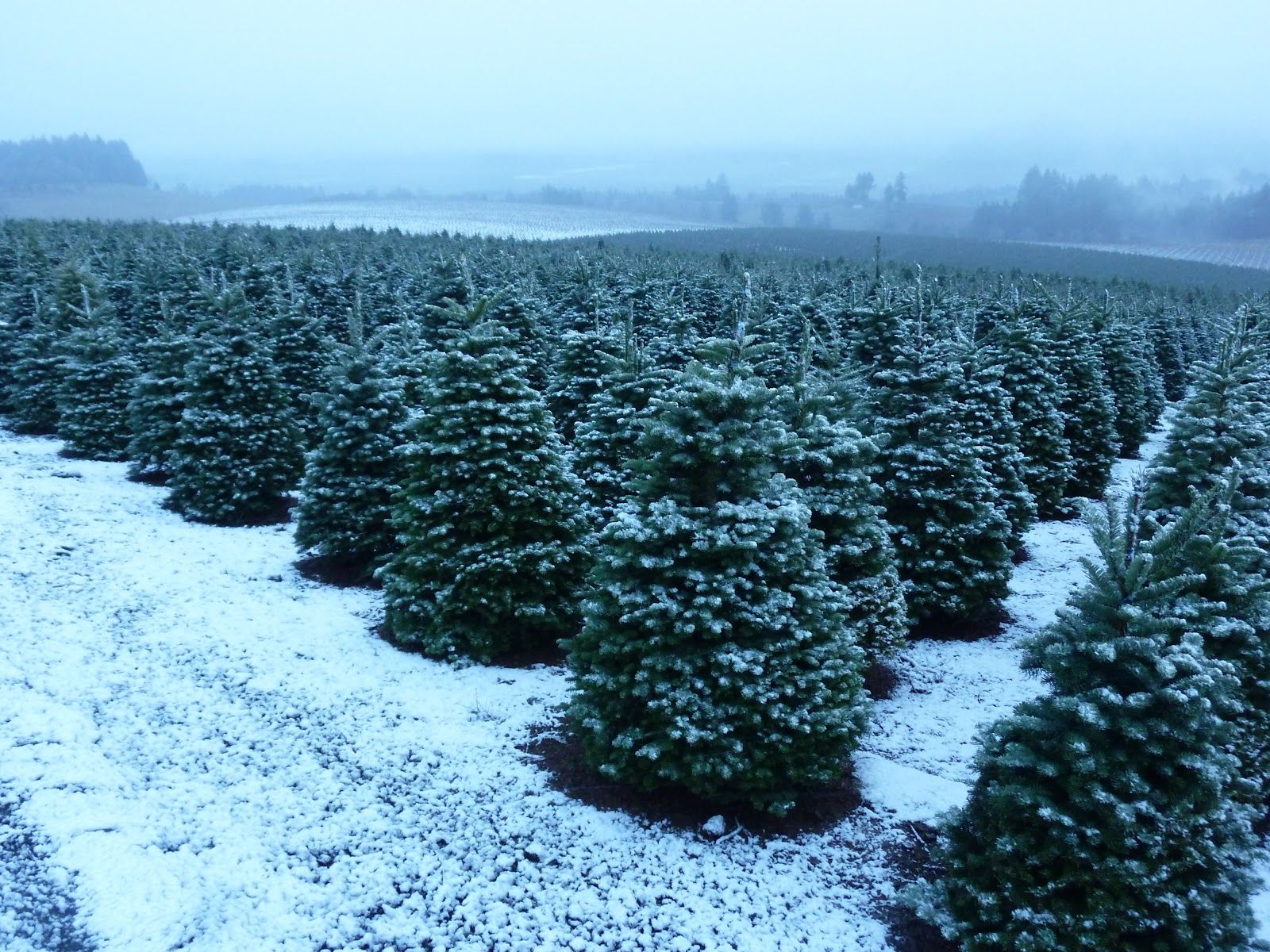
By year four or five from seed, the transplant finally moves out into the primary production field. Field crews cut straight lines across the slope; each tree receives roughly five feet of spacing within the row and five feet between lanes. That grid provides tractor access and guarantees sunlight reaches every low branch; crowding produces sparse sides that buyers reject. You can study these site traits in our tree species guide to see why spacing requirements differ across varieties.
Managing the Floor Without Heavy Herbicides
Weed control on a fir plantation is a constant balancing act between erosion prevention and competition control. Stripping all vegetation from steep hillsides leads to massive topsoil loss during mountain cloudbursts; leaving tall ragweed smothers the lower boughs. Growers maintain a low sod cover; they run specialized narrow mowers between rows multiple times each summer.
Why Clover Groundcover Protects Topsoil
Many farmers sow white clover between their tree lanes instead of relying entirely on synthetic chemical barriers. Clover fixes atmospheric nitrogen into the upper dirt layer; it also stays relatively short, which cuts down on mowing fuel. Also, the root mat holds wet mountain soil firmly in place; it prevents deep ruts when tractors spray or haul gear.
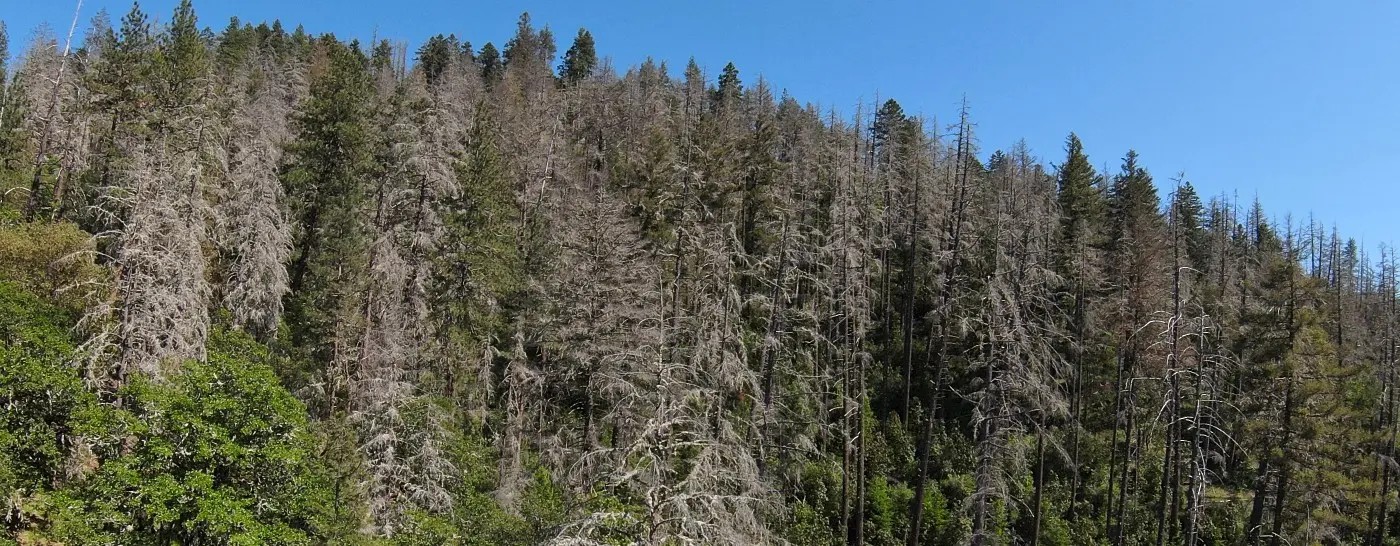
Photo: Oregon State University, Google Maps contributor at Pacific Northwest Douglas fir forest.
The First Years of Field Root Establishment
During its first three seasons in the production block, a Fraser fir appears to barely move. A visitor walking the rows might think nothing is happening; the tree is quietly expanding its subsurface network to prepare for rapid upward growth. Above ground, shoots might gain only three or four inches a season; beneath the grass, lateral roots are colonizing the soil profile.
Year Four Brings Knife Work
Around the fourth year in the field, vertical growth accelerates and systematic shaping begins. A wild fir grows irregularly, with open pockets and wandering tips; market expectations demand a compact conical silhouette. Growers pick up long shearing knives or mechanical rotary trimmers in midsummer; this annual haircut dictates the density of the mature tree.
Shearing Angles that Build Foliage Density
Crews work down rows in July once tender summer growth has hardened off; they slice branches at an angle to trigger multiple lateral buds. Cutting the soft outer shoots forces the branch to set three or four replacement buds where only one grew before; each subsequent year multiplies this interior fullness. Trimming too early causes erratic second-growth flushes; trimming too late damages delicate dormant buds that need winter hardening.
Hand Pruning the Dominant Terminal Leader
The central stem at the top of the tree, called the terminal leader, requires delicate attention with hand shears. If left wild, a vigorous leader might rocket upward by twenty inches; that creates wide, bare gaps between whorls of branches. Growers snip the leader back to twelve or fourteen inches; they also pinch competing vertical shoots so only one central spike leads the tree.
Correcting Crooked Stems and Multiple Tops
Birds, late frosts or accidental equipment bumps frequently snap leader tips out in the field. When that occurs, several side branches bend upward to vie for dominance; left alone, this creates a split trunk that ruins tree structure. Workers carry wooden splints or plastic leader clips; they secure the best replacement shoot vertically and trim away competing contenders.
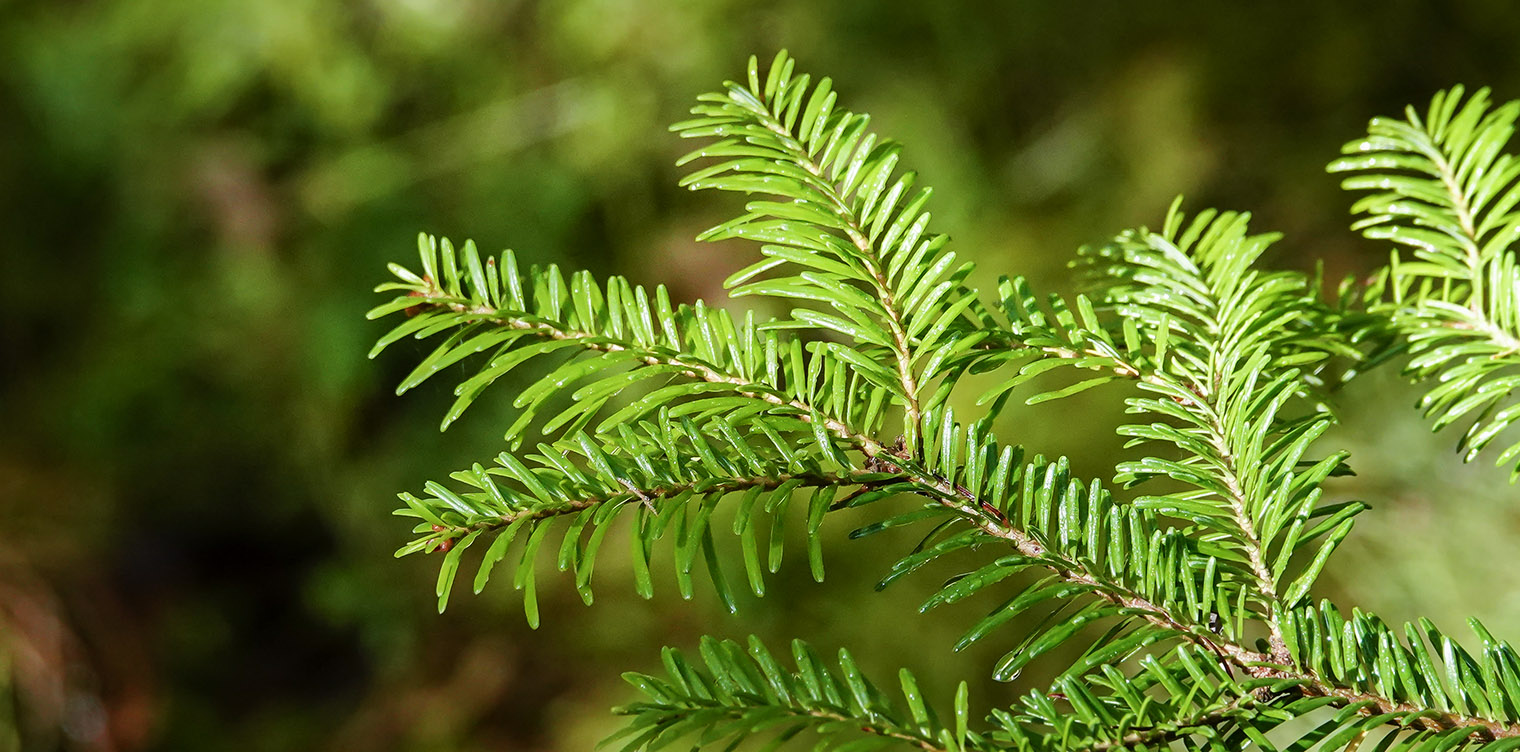
Photo: Adirondack Nature, Google Maps contributor at the Adirondack Mountains.
Monitoring for Field Pests and Adelgids
The balsam woolly adelgid remains one of the most destructive threats to southern fir farms. This tiny invasive insect feeds on sap; its toxic saliva causes abnormal wood cell growth that chokes internal sap flow. Farmers scout tree trunks for white waxy secretions; early identification allows spot treatments that keep populations from decimating whole hillside blocks.
Combating Phytophthora Root Rot
Phytophthora is a water mold that targets conifer roots; it turns root systems into brittle rot and leaves foliage copper-colored within weeks. Chemical cures for infected trees do not exist; field hygiene and preventive drainage remain the only effective management tools. When a tree dies from root rot, experienced operators pull the stump, leave the spot fallow and divert surface water around the zone.
Annual Foliar Testing and Nutrition
A tree cannot maintain dark needles without careful mineral nutrition. Growers clip needle samples in autumn and send them to agricultural university labs; these tests reveal precise deficiencies in nitrogen, magnesium or sulfur. Rather than broadcasting heavy fertilizers blind, farmers apply targeted micro-nutrients in early spring; this feeds current growth without causing unmanageable branch surges.
Measuring the Run from Six to Seven Feet
The jump from six feet to seven feet represents the homestretch; it usually occurs during the eighth or ninth year in the field. At this size, the tree requires ladder work or specialized reach shears to trim the crown properly. The grower balances leader height against base width; a seven-foot tree needs a base diameter of four to five feet to fit into typical residential living rooms.
How Autumn Weather Dictates Market Timing
A seven-foot fir needs several sharp autumn frosts before it can be cut cleanly without shedding foliage. Cold temperatures signal the needles to go completely dormant; the tree locks in internal moisture and strengthens its needle retention. If you consult our season calendar, you can see how regional weather shifts harvest windows from mid-November forward.
Mechanical Balers and Field Harvest
Wholesale harvest turns quiet pastures into bustling commercial depots overnight. Cutters fell trees with lightweight chainsaws, while retrieval crews drag them to staging lanes; tractors equipped with netting balers funnel each fir through a funnel to bundle branches tight. Bundling protects outer limbs from breaking during transit; it also allows freight haulers to pack hundreds of trees into refrigerated trailers destined for retail lots.
Preparing the Stand for Customer Arrival
On choose-and-cut operations, the grower's final task is preparing walking lanes for visiting families. Farmers mow paths clean, mark tree heights with color-coded tags and stage hand saws near the staging barn. Reviewing our cut-your-own checklist before visiting helps ensure you bring the right straps, measuring tape and vehicle gear. You can locate open fields through our directory of Farms Near Me before heading out for the weekend.
Sourcing Fresh Cut Trees Across Regions
If you live far away from mountain production zones, finding a fresh mountain Fraser requires tracking dedicated retail lots or regional hubs. Many growers partner with suburban garden centers to ship freshly cut stock within forty-eight hours of harvesting. Consumers can browse Christmas tree farms by state to discover local sources that truck fresh inventory directly from mountain growers.
Clearing Stumps and Soil Renewal
The harvest cycle never ends when a tree is dragged away; the stump and root base remain locked in the dirt. Farmers use tractor-mounted stump grinders to chew the wood into chips right in the planting row; this returns organic material to the topsoil. After resting the soil or planting cover crops, crews mark new grid points and plant another transplant; the eight-year clock begins once more.
Giving the Tree a Second Life Through Mulch
After the holidays conclude, that seven-foot Fraser fir still offers practical utility to residential gardens and municipal parks. Municipal chipping operations grind discarded firs into rich mulch; aromatic wood provides weed suppression and acidifies garden soil naturally. Exploring options for tree recycling keeps organic matter out of municipal landfills; it returns valuable nutrients to the earth rather than wasting a decade of growth.
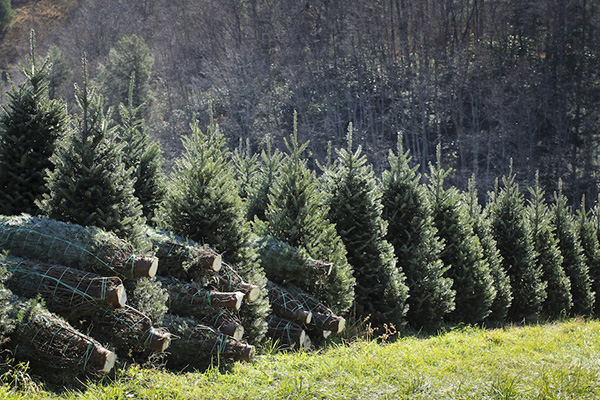
Photo: NC Christmas Tree Association, Google Maps contributor at a North Carolina Fraser fir farm.