How Christmas Tree Farms Cultivate a Seven-Foot Fraser Fir
Published November 6, 2026 · By Christmas Tree Farm Finder
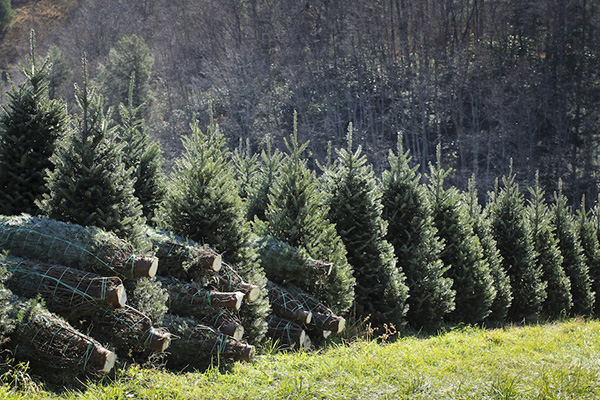
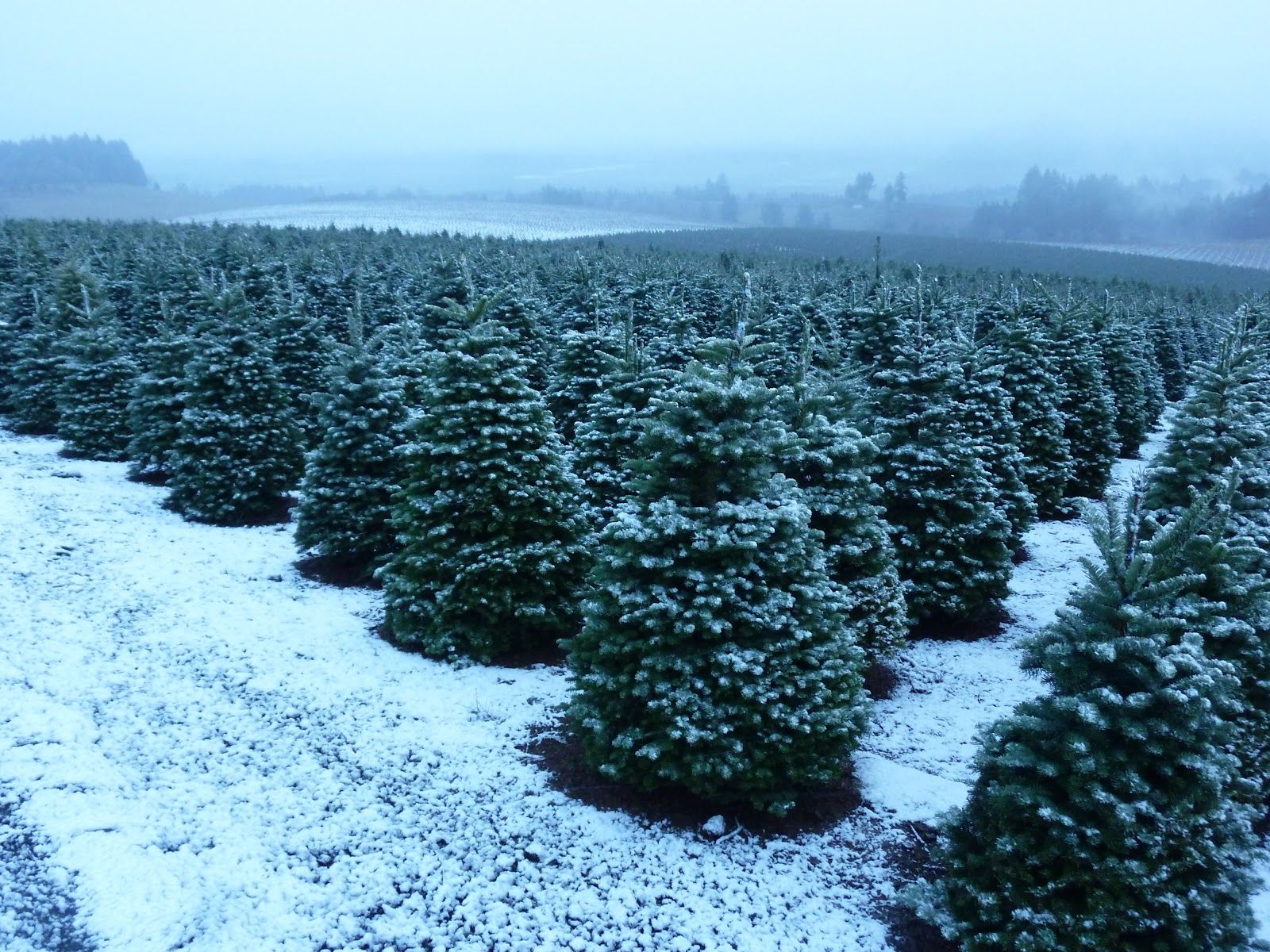
Standing between rows of blue-green conifers on an Appalachian ridge in November, you smell crushed balsam and damp soil long before you reach the harvest gate. A seven-foot Fraser fir looks effortless when tied to a car roof, but that height represents roughly a decade of manual labor, precise shearing and constant defense against mountain elements. The journey from a winged seed to the centerpiece of a living room requires patience; growers measure their lives in seasons rather than months.
Genetics and Provenance in the High Country
Growers trace the best stock to wild stands scattered across Mount Rogers, Roan Mountain and the Great Smoky Mountains. Seed provenance determines how tightly needles hug the stem; native southern strains consistently yield the stiff branches and silvery undersides that buyers covet. Cones must be collected by hand from selected seed orchards before scales open in late August.
Starting from Seed in Specialized Beds
Conifer seeds spend winter in cold stratification to break natural dormancy; growers pack them in damp peat moss inside refrigerated vaults. Once spring temperatures warm the nursery gravel, workers sow the seeds into raised beds protected by woven shade cloth. These fragile sprouts grow barely three inches during their first year, drawing moisture through fine root hairs.
The Bare-Root Nursery Cycle
Seedlings spend two complete seasons in germination beds before moving to transplant fields. In regional trade catalogs, these plants carry the designation of two-plus-zero or two-plus-two stock; the numbers tell a farmer exactly how many years the root system developed under controlled care. Lifting bare-root stock in early spring requires shaking damp soil free without stripping the delicate feeder roots.
Hardening Off in Cold Frames
Before seedlings face wind on an open hillside, they spend weeks acclimating inside ventilated cold frames. Temperatures fluctuate wildly in early spring; sudden late freezes can burn new growth tips and set the plant back an entire year. By holding irrigation back slightly, nursery managers force young stems to lignify into firm wood.
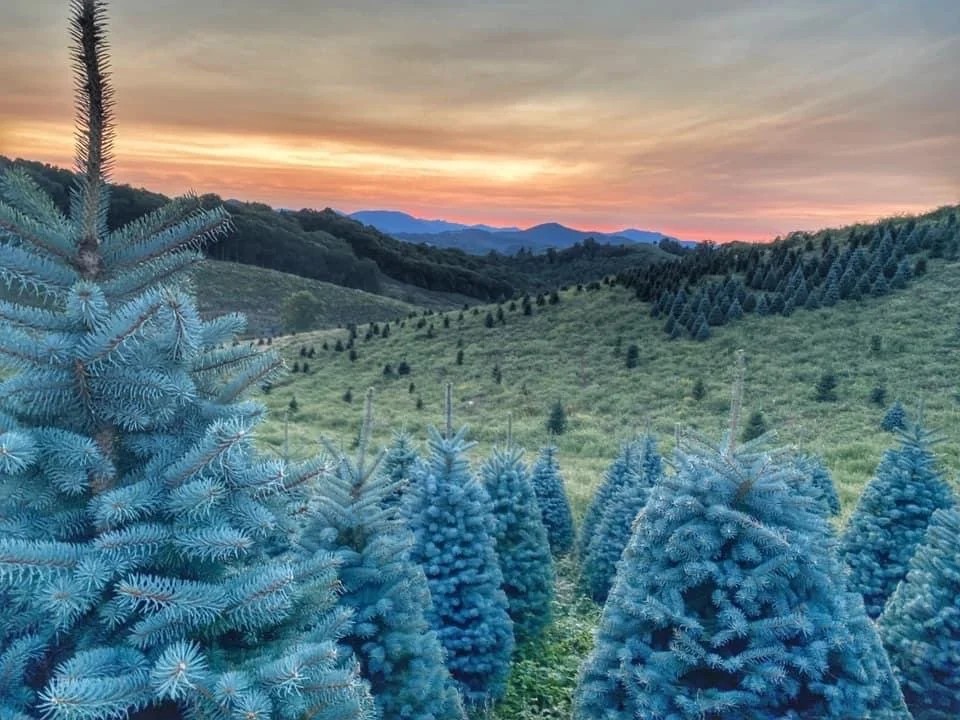
Photo: Mile High Tree Farm, Google Maps contributor at Mile High Tree Farm.
Preparing Rocky Hillside Soil
Fraser firs refuse to tolerate saturated ground; they require sloped topography and gravelly loams that let spring deluges drain downhill immediately. Before a single sapling enters the ground, farmers run chisel plows across slopes to break dense hardpan. Subsoiling shatters buried rock shelves, allowing moisture to percolate past shallow root layers.
Adjusting pH for Acid-Loving Roots
Mountain timber soils often sit at a native pH near four, which locks up essential nutrients and stunts evergreen vigor. Growers spread pelletized lime across contours; their target range remains tightly bound between five point two and five point eight. Regular soil tests reveal whether calcium or magnesium supplies need supplementation before planting begins.
Contour Mapping and Water Drainage
Planting across the slope rather than straight down prevents topsoil erosion during heavy thunderstorm seasons. Growers leave access lanes between blocks of trees; these sod paths double as water channels and tractor roads. Good farm design preserves topsoil through decades of continuous rotation.
Laying Ground Cover and Sod Strips
Bare soil between tree rows washes away under mountain downpours; smart operations establish low-growing fescue or clover mixes instead. A living carpet stabilizes the hillside while preventing mud from splashing against tender lower branches during rainstorms. Mowing these middles keeps field humidity down, which deters fungal spore germination.
The Spring Transplanting Window
Field planting commences the moment winter frost exits the dirt and must conclude before soft terminal buds break open in May. If you browse Christmas tree farms by state, you will notice that northern operations run weeks behind southern mountain growers due to lingering snowpacks. Every day of delay stresses dormant roots as spring sun warms the hills.
Hand Planting on Steep Elevation Slopes
Tractor-mounted transplanters work well across gentle ground, but steep mountain terrain requires manual spades and planting bars. A seasoned field crew carries bundles of damp seedlings in hip sacks; they drive steel dibbles into rocky dirt, slide roots straight down, and stomp the pocket closed with heavy boots. Straight planting prevents crooked trunks eight years down the line.
Root Collar Placement and Settling
Burying a seedling too deep suffocates bark tissues; setting it too shallow exposes vital crown roots to desiccating winds. Field hands align the root collar flush with ground level, ensuring root systems do not curl upward into J-shapes inside the hole. Gentle spring showers settle soil naturally around the roots without trapping air pockets.
Surviving the Early Field Establishment
A newly transplanted Fraser fir looks lost on an open acre, standing barely ten inches tall among wide sod rows. Field mortality often claims five to ten percent of stock during the first twelve months; summer heat stresses root systems that have not anchored into surrounding subsoil. Walkers often consult our tree species guide to understand why firs demand cooler slopes than Scotch pines or red cedars.
Weed Suppression along Tree Rows
Ragweed, brambles and thistle compete aggressively against young evergreens for sunlight and nitrogen. Growers use directed spray shields or walk rows with brush cutters; they clear an eighteen-inch strip along the base of each tree. Allowing tall grass to smother saplings blocks airflow and invites rodents to chew through tender bark.
Weathering Summer Heat and Drought
Fraser firs naturally thrive in foggy zones above four thousand feet; summer spells exceeding ninety degrees test their stamina. Deep root growth accelerates as seedlings seek moisture tables beneath shale benches. A healthy taproot developed during dry years helps the tree withstand mountain winters later.
Monitoring Nutritional Deficiencies in Needles
By year three in the field, growers collect needle samples in late summer for tissue analysis at university laboratories. Pale foliage often signals nitrogen shortfalls; purpling along branch margins indicates phosphorus starvation. Granular fertilizer bands applied along driplines correct these imbalances before winter dormancy begins.
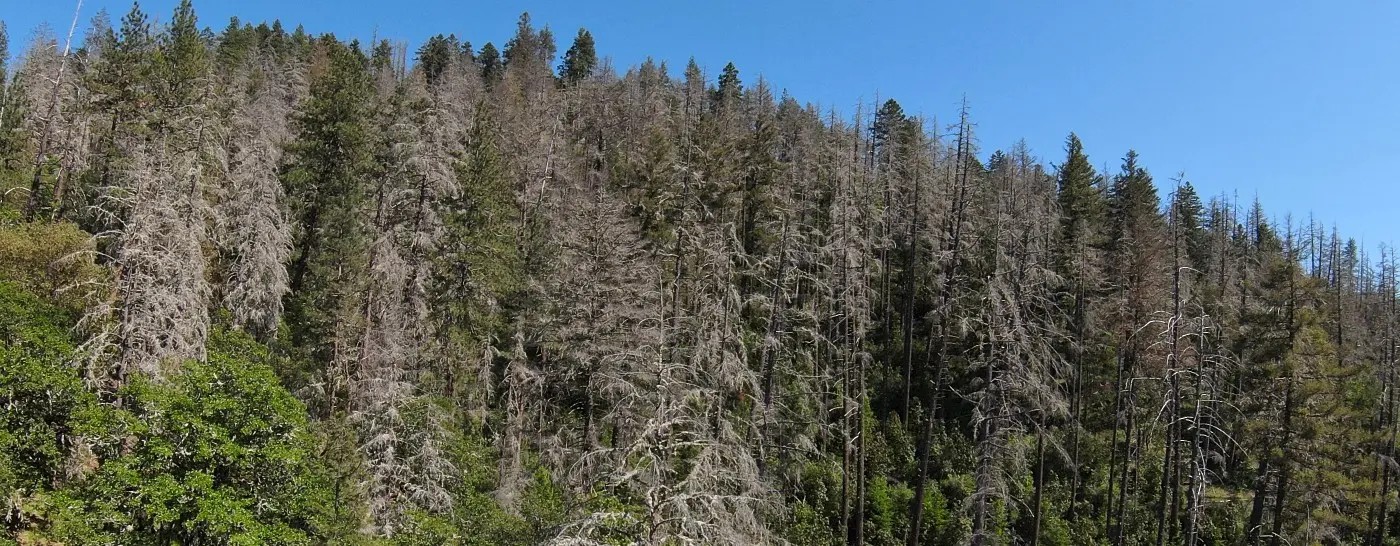
Photo: Oregon State University, Google Maps contributor at Pacific Northwest Douglas fir forest.
The Annual Knife Work Begins
Left alone, a Fraser fir grows into a loose timber tree rather than the dense cone holiday shoppers expect. When the sapling hits knee height, shearing crews enter the field with curved German knives and specialized shears. Every single cut dictates how lateral buds will break next spring; shaping requires foresight.
Managing Terminal Leaders with Pruning Shears
The central top shoot dictates vertical spacing between yearly branch whorls. If the leader shoots up twenty inches in one summer, the tree develops cavernous gaps between shelves; workers snip the leader back to twelve or fourteen inches at a sharp angle. This cut forces dormant buds just below the wound to awaken and fill out the upper crown.
Lateral Shearing for Density
Shearing knives sweep downward along the conical perimeter, trimming runaway side branches into uniform symmetry. Hand shearing builds incredible arm strength; veteran workers glide down rows flicking carbon steel blades across thousands of branches per shift. Proper shearing leaves a rough exterior that softens as second-growth shoots sprout through summer weeks.
Correcting Multiple Leaders
Birds frequently snap delicate spring leaders, or frost damages the terminal bud; the tree responds by sending up competing vertical shoots. A grower must clip out secondary leaders early, leaving a single central stem to guide the trunk upward. Ignoring a double leader ruins tree symmetry and renders it unsellable at maturity.
Protecting Branches from Mountain Pests
A Fraser fir farm is an ecosystem under constant pressure from native insects and fungal organisms. Independent agricultural data published by the National Christmas Tree Association highlights how integrated pest management has replaced broad-spectrum sprays on modern farms. Field scouts spend spring mornings turning over needle branchlets, looking for microscopic threats before visible damage appears.
Scouting for Balsam Twig Aphids
Tiny green aphids pierce tender spring needles, causing them to curl upward like teacups. While cosmetic, this curling ruins the flat bottle-brush arrangement that gives the species its classic look. Introducing lady beetles and lacewings into plots helps suppress populations naturally, preserving clean branch contours.
Combating Phytophthora Root Rot in Wet Ground
Waterlogged soil harbors water mold pathogens that destroy root structures from the tips upward. Once infected, an eight-foot fir turns cinnamon brown within weeks; there is no chemical cure for root rot once it takes hold. Careful site selection and raised planting beds represent the only reliable defense against this mountain plague.
The Final Push from Four to Seven Feet
Around year six in the production field, the tree enters its rapid expansion phase. A healthy specimen adds twelve to eighteen inches of vertical frame annually, requiring firm restraint from the grower's knife. At this stage, the trunk thickens noticeably; supporting root systems now claim an eight-foot circle beneath the sod.
Balancing Needle Retainage and Scent
The prized fragrance of a Fraser fir comes from pinene compounds stored in resin blisters along smooth gray bark. Growers monitor late summer rainfall closely; adequate autumn hydration ensures needles stay locked into stems long after harvest. Proper hydration keeps needle moisture content above one hundred percent into December.
The Critical Seventh and Eighth Field Seasons
By year eight in the field, plus four years in the nursery beds, the fir reaches seven feet. The tree has endured ice storms, severe droughts, annual shearings and dozens of manual inspections. It represents a massive investment of fuel, physical sweat and horticultural knowledge.
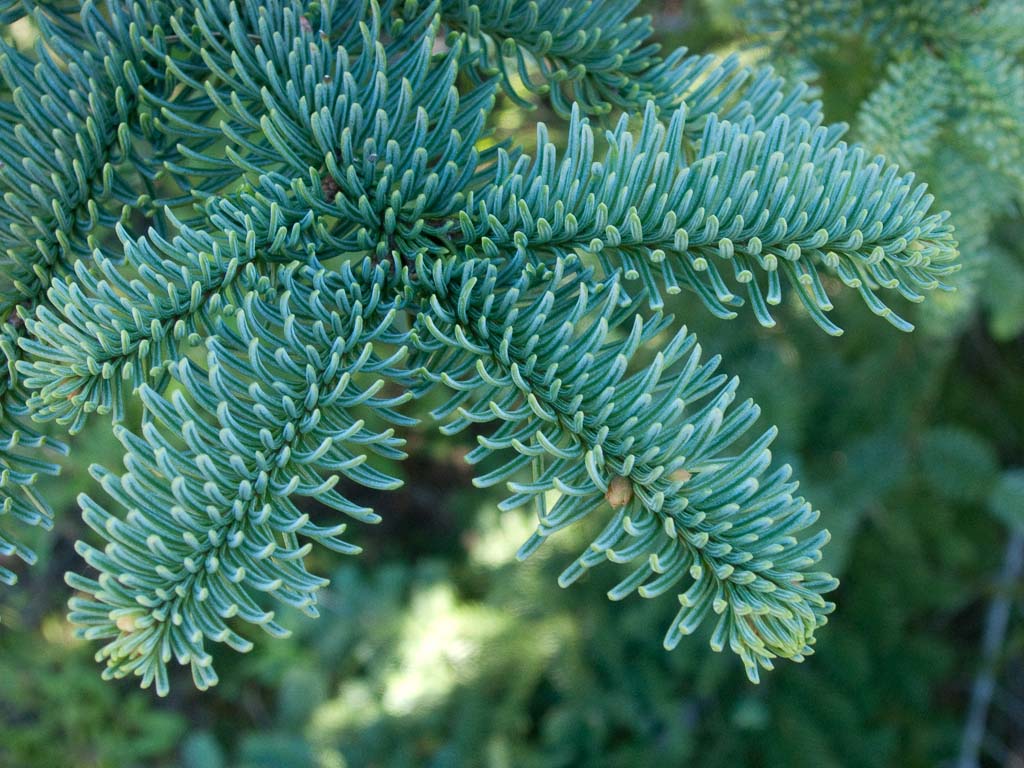
Photo: The Gymnosperm Database, Google Maps contributor at Pacific Northwest noble fir.
Tagging and Selection in Late Autumn
In late September, farmers walk every row with rolls of colored vinyl ribbon to grade inventory. A seven-foot tree must display uniform density, a straight handle and a strong central leader to earn top retail classification. You can consult an active season calendar to time your farm visit when tagged selections open to visitors.
Sizing Up Seven-Foot Specimens for Families
Seven feet remains the standard in the evergreen market because it accommodates typical eight-foot residential ceilings with room for a tree stand and a decorative star. If you search for local growers using Farms Near Me and review our cut-your-own checklist, you will be well prepared with measuring tapes and leather gloves. Farm fields distort perspective; trees always look smaller under the open sky than inside an entryway.
Saws, Shakers, and Balers in the Staging Yard
Cutting through a four-inch resinous trunk releases a burst of fresh fragrance across cold air. Harvest crews carry cut trees to mechanical shakers that vibrate dead inner needles out of the foliage canopy. Finally, machines pull branches through nylon mesh netting, wrapping the fir into a tight bundle ready for the trip home.
Closing the Cycle Back to the Mountain Soil
The story does not end in the living room; responsible operations promote community tree recycling programs that turn spent evergreens into garden mulch. Back on the mountain, field hands dig out remaining stumps with backhoes, disc the earth and plant cover crops to let the parcel rest. In two years, another crop of two-year seedlings will take root in the exact same ground.