Finding a Fresh Christmas Tree: A Guide to Spotting Quality
Published July 27, 2026 · By Christmas Tree Farm Finder
A fresh Christmas tree is more than just a decoration; it's the fragrant heart of your holiday home, a living emblem of the season. Finding that perfect, perky specimen at the lot requires a discerning eye, a bit of know-how, and a willingness to get a little hands-on. After years of wandering through rows of evergreens, I've learned a few tricks that separate the vibrant from the wilting, ensuring your choice brings enduring joy, not early needle drop.
The Journey from Forest to Lot
Understanding a tree's journey helps contextualize its freshness. Most trees destined for a retail lot are harvested in early to mid-November, sometimes earlier for those traveling long distances. They are then transported, often across states, to their final selling points. This travel, combined with storage conditions, heavily influences how well a tree holds up, making informed selection even more critical.
The Critical Role of Hydration
Once a tree is cut, its internal clock starts ticking. Its ability to absorb and retain water is paramount. A well-hydrated tree will remain supple and fragrant for weeks; one that has dried out will quickly shed its needles, becoming a fire hazard and a source of frustration. Always consider hydration as the single most important factor.
The Visual Scan: First Impressions Matter
Before you even touch a tree, give it a thorough visual once-over. Look for an overall vibrant green color, although some species, like Fraser firs, naturally have a slight bluish tint. Avoid trees with significant yellowing, browning patches, or an overall dull appearance. Those are usually clear indicators of a tree that's past its prime.
The Needle Test: A Hands-On Approach
This is perhaps the most reliable hands-on test. Gently grasp a branch around eight to ten inches from the tip, between your thumb and forefinger. Pull your hand towards you, letting the needles slide through your fingers. For fir and spruce trees, only a few, if any, old interior needles should come off. Pine needles are more robust, so you should feel very little shedding.
The Bend Test: Assessing Branch Pliability
After checking the needles, gently bend a few outer branches. Fresh branches will be pliable and somewhat springy, bending without snapping. Stiff, brittle branches that easily break or remain bent are a sign of a dry tree. This test is particularly useful for assessing the general health of the tree's vascular system.
The Scent Profile: The Aroma of Freshness
A truly fresh Christmas tree will have a strong, pleasant evergreen scent. Different species have unique aromas; Balsam firs, for instance, are renowned for their potent, classic "Christmas tree" smell. If you find a tree that smells like nothing much at all, or worse, has a musty odor, move on. The scent is a direct indicator of the volatile oils, which diminish as a tree dries out.
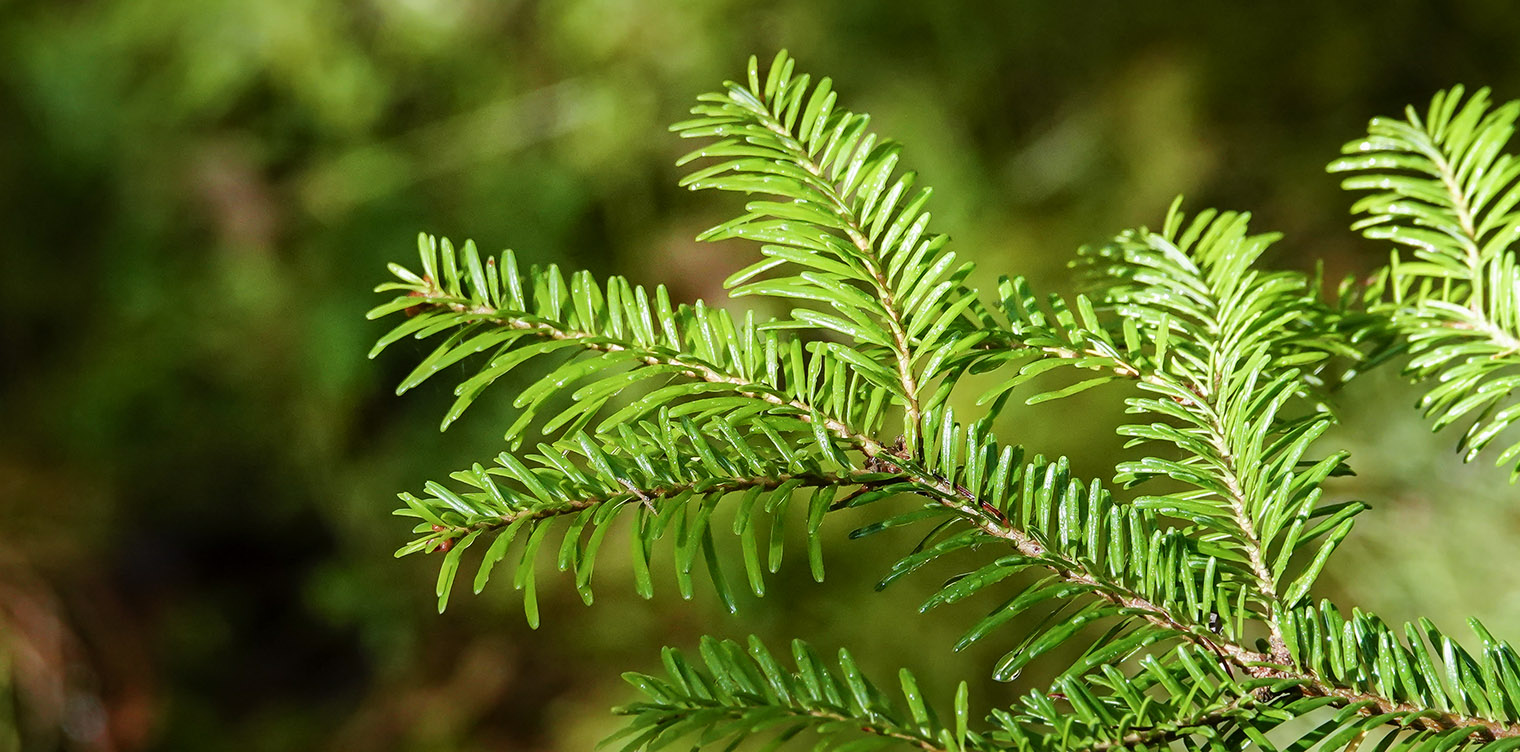
Photo: Adirondack Nature, Google Maps contributor at the Adirondack Mountains.
The Trunk Base: The Absorption Point
Examine the cut surface of the trunk. A fresh tree will often have a light, sometimes slightly sticky, resinous appearance at the base, indicating it's still "bleeding" sap. A dry, gray, or heavily cracked trunk base signals a tree that was cut long ago and has likely lost its ability to absorb water effectively from a stand. The trunk should also be free of excessive sap that might indicate a problem.
Identifying Recut Trunks
Some reputable lots will slice a fresh cut off the base of a tree before you take it home. This can be recognized by a very clean, often still moist, bright-colored cut without much drying. If a tree already looks like this at the lot, it's a good sign someone is trying to re-activate its water absorption; however, still proceed with all other freshness tests.
The Shake Test: A Quick Vigor Check
Lift the tree a few inches off the ground and gently bounce it a couple of times on its trunk. You might see a few old, interior needles fall, which is completely normal; evergreen trees naturally shed some older needles throughout the year. However, if a cascade of green needles rains down, that tree is well past its prime and should be avoided. Don't be shy about this; it's a critical gauge of freshness.
Observing Retailer Practices: A Sign of Quality
Pay attention to how the Christmas trees are stored at the lot. Ideally, trees should be displayed in a shaded area, out of direct sunlight, and sheltered from strong winds, both of which can accelerate drying. Trees kept in water stands are a huge green flag, indicating a retailer who understands the importance of hydration. Many local farms take great care in how they present their trees to ensure top quality.
Asking About Sourcing and Delivery
Don't hesitate to ask the lot attendants when the trees arrived and where they were sourced from. Reputable dealers will share this information readily. A short travel distance and recent delivery are always preferable. Understanding when a specific species, like a Douglas fir or Balsam, generally comes into season can give you a leg up.
The Weight Test: Feeling the Moisture Content
A fresh, well-hydrated tree feels surprisingly heavy for its size. This weight comes from the water content within its tissues. As a tree dries out, it becomes noticeably lighter. If a tree feels exceptionally light for its apparent size, it's probably dehydrated. This is particularly noticeable with smaller trees, but applies to all.
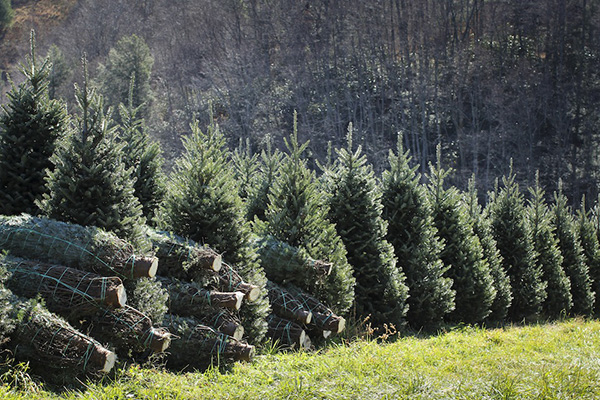
Photo: NC Christmas Tree Association, Google Maps contributor at a North Carolina Fraser fir farm.
Avoiding Common Pitfalls
Don't be swayed by just the shape of a tree if it fails the freshness tests. A perfectly shaped but dry tree will be a disappointment. Similarly, avoid trees that have been heavily sprayed with "flocking" or glitter, as these treatments can sometimes mask underlying issues with tree health. Focus on the natural vitality.
The Long-Term Care Connection: Post-Purchase Freshening
Even after you've selected the freshest tree, proper care at home is essential. When you get your tree home, immediately make a fresh, straight cut across the base of the trunk, about half an inch from the bottom. This reopens the tree's pores, allowing it to absorb water. Place it in a sturdy stand that holds plenty of water, and keep it topped up daily. Neglecting this step, even with the freshest tree, can lead to rapid drying. To understand species-specific needs, check out our tree species guide.
The Early Bird Advantage
If possible, shop for your Christmas tree earlier in the season. Most major tree lots receive their first shipments in late November, offering the widest selection of fresh trees. Waiting until the week before Christmas significantly reduces your choices, and you're more likely to encounter trees that have been sitting out for extended periods. The National Christmas Tree Association provides excellent resources on how to care for your tree from harvest to recycling, reinforcing the importance of early selection.
Conclusion: Confidence in Your Choice
Finding a fresh Christmas tree at a retail lot is an achievable goal, not a game of chance. By combining visual inspection with tactile tests and paying attention to retailer practices, you can confidently select a tree that will remain vibrant, fragrant, and beautiful throughout your holiday season. Your efforts will be rewarded with a festive centerpiece that truly embodies the spirit of Christmas, lasting well past when the season calendar flips to the new year.
Photo: Michael, Google Maps contributor at Brookdale Fruit Farm.