Choosing the Perfect Christmas Tree for Your Home
Published September 18, 2026 · By Christmas Tree Farm Finder
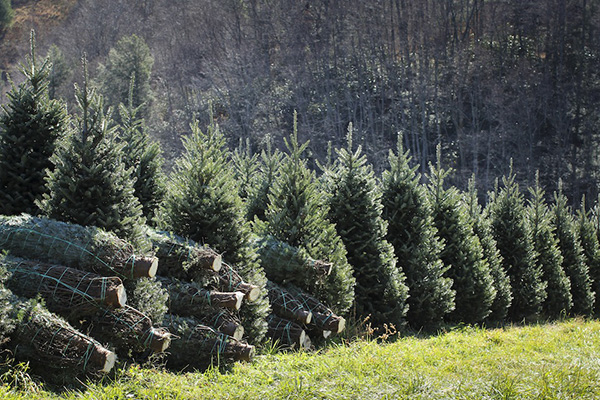
The crisp, invigorating scent of pine and fir; the quiet crunch of frost underfoot as you navigate rows of perfectly shaped evergreens; the joyful anticipation of finding that one special tree. These are the sensory memories many of us cherish about visiting a Christmas tree farm. But beyond the nostalgic experience, choosing a tree involves a bit of informed decision-making; the species you bring home significantly impacts its appearance, fragrance, and longevity.
Navigating the Christmas Tree Farm Experience
Stepping onto a Christmas tree farm, especially for the first time, can feel like entering a magical forest, overwhelming with choices. Each species offers a unique set of characteristics, from needle retention to scent intensity, from branch stiffness to overall shape. Understanding these differences before you even leave your driveway will make your farm visit more efficient and enjoyable.
Understanding Your Home's Environment
Before you fall in love with the first majestic fir you see, consider your home's particular environment. Factors like ceiling height, available floor space, and even the ambient temperature in the room where the tree will stand all play a crucial role. A tree that looks perfect outdoors might overwhelm a smaller living space or struggle in a very warm room.
Considering Tree Height and Width
Measure your ceiling height and the width of the area where the tree will be placed; then subtract a foot for a tree topper and stand. Many beautiful trees are left on farms because they simply won't fit into a home. A broad Fraser fir, while stunning, might block a doorway in a compact room, whereas a narrower Concolor fir could be a better fit.
The Role of Decoration Style
Your personal decorating style also guides your tree choice. If you prefer heavy, ornate ornaments, you'll need a tree with strong, stiff branches capable of bearing that weight. Conversely, delicate, lighter decorations might be best displayed on a tree with more flexible, finely textured needles. Think about the overall aesthetic you aim to achieve before committing to a species.
Fragrance: The Scent of Christmas
For many, the quintessential scent of a real Christmas tree is as important as its visual appeal. The aroma contributes significantly to the festive atmosphere, evoking cherished memories and creating new ones. Different species, however, release distinct and varying levels of fragrance.
Balsam Fir's Iconic Aroma
The Balsam Fir is often considered the gold standard for Christmas tree fragrance; its needles release a classic, strong, and enduring pine scent. This aroma is what many people immediately associate with the holiday season, filling the home with a quintessential freshness. Its soft, dark green needles with silvery undersides also make it visually appealing.
Fraser Fir's Sweet Scent
Closely related to the Balsam Fir, the Fraser Fir also boasts an excellent, long-lasting fragrance; many describe its aroma as sweeter and slightly less sharp than its cousin. Beyond its delightful scent, the Fraser Fir is prized for its strong, upturned branches which are perfect for displaying a multitude of ornaments. This species combines both beauty and practicality for decorators.
Concolor Fir's Citrus Notes
If you're looking for something a bit different, the Concolor Fir offers a unique, pleasant scent often described as having citrus or tangerine undertones. Its long, soft, bluish-green needles are also quite striking, providing a distinctive look. This species is an excellent choice for those who appreciate a less traditional, yet still refreshing, aroma.
Douglas Fir's Earthy Scent
The Douglas Fir provides a good, medium-intensity fragrance, often characterized as earthy and slightly resinous. While perhaps not as potent as a Balsam, its scent is still very agreeable and contributes nicely to the holiday ambiance. This species also tends to have a classic pyramidal shape and soft, flat needles.
Needle Retention: A Key to Longevity
Nobody wants a rapidly shedding tree that turns their festive living room into a perpetual carpet of brown needles. Excellent needle retention is a hallmark of a healthy, long-lasting Christmas tree; it ensures your tree remains vibrant and tidy throughout the holiday season. The ability of a tree to hold onto its needles varies greatly by species.
Fraser Fir's Superior Retention
The Fraser Fir stands out for its exceptional needle retention, making it a top choice for those who want their tree to look pristine for weeks. Its sturdy branches and durable needles are genetically predisposed to hold fast, even in warmer indoor conditions. This characteristic minimizes cleanup and extends the tree's freshness.
Balsam Fir's Good Retention
Balsam Firs also offer very good needle retention, though perhaps a shade less than the Fraser Fir. With proper care, including consistent watering, a Balsam Fir will remain fresh and green throughout the holiday period. Both species are excellent choices for homeowners prioritizing a clean, long-lasting display.
Noble Fir's Excellent Durability
Known for its beautiful, stiff branches and distinct bluish-green needles, the Noble Fir also boasts excellent needle retention. This species is often favored for its architectural quality and strength, making it ideal for heavier ornaments. Its durability ensures a long-lasting, attractive centerpiece for your holiday celebrations.
Avoidance of Rapid Shedders
Species like the Norway Spruce, while beautiful in appearance and possessing a good scent initially, are notorious for rapid needle drop once cut. While some spruce varieties, like the Blue Spruce, have better retention, generally firs are the superior choice for minimizing needle mess. Always inquire about a tree's needle retention if you're uncertain; farm staff will gladly assist.
Branch Strength and Shape for Decorating
The structural integrity of a tree's branches and its overall shape significantly influence how easily and effectively you can decorate it. Some trees are naturally suited for heavy ornaments, while others excel with more delicate adornments. Understanding these characteristics will prevent frustration and enhance your decorating experience.
Fraser Fir's Sturdy Branches
The Fraser Fir is renowned for its strong, stiff branches that angle slightly upward, forming a dense, conical shape. These robust branches are perfectly suited for hanging a wide array of ornaments, including heavier, more intricate pieces. Its excellent branch strength makes it a decorator's dream, allowing for a full and opulent display.
Noble Fir's Rigid Architecture
With its widely spaced, stiff branches and layered appearance, the Noble Fir provides a strong, almost architectural framework for decorations. Its impressive branch strength can easily support substantial ornaments, making it another favorite for those with a collection of heavier decorations. The clear separation between branches also makes decorating less cumbersome.
Douglas Fir's More Flexible Branches
The Douglas Fir typically has more flexible branches than its fir cousins, which are better suited for lighter, more delicate ornaments. Its classic pyramidal shape and soft needles create a beautiful backdrop for twinkling lights and smaller decorations. If your ornaments are predominantly lightweight, this species offers a graceful display.
Color and Texture: Visual Appeal
Beyond scent and durability, the visual characteristics of a Christmas tree are paramount. Needle color, texture, and overall density contribute to the tree's aesthetic appeal, allowing you to choose one that perfectly complements your home's decor. There's a wide spectrum of greens, blues, and even silvers available.
Dark Green Hues of Balsam Fir
The Balsam Fir features short, flat needles that are a rich, deep green on top with distinctive silvery-white bands on their undersides. This contrast gives the tree a beautiful, almost shimmering quality, especially under lights. Its dense foliage creates a classic, full appearance.
Bluish-Green of Fraser and Concolor Firs
Both Fraser Fir and Concolor Fir often present a beautiful bluish-green hue, offering a slightly different visual appeal than the darker Balsam. The Concolor Fir's long, soft needles have a distinctive silvery-blue cast, while the Fraser Fir's short needles can range from dark green to a silvery-blue. These colors provide a sophisticated backdrop for any holiday theme.
Noble Fir's Unique Appearance
The Noble Fir is distinct for its thick, sturdy needles that grow in a characteristic upward sweep, exposing the branch. These needles are typically a deep bluish-green, sometimes with a silvery cast, giving the tree a unique texture and a sophisticated, upscale look. Its open growth habit showcases individual ornaments beautifully.
Choosing Your Perfect Tree
With so many wonderful options, the ultimate decision comes down to your personal preferences and needs. Do you prioritize a strong, traditional pine scent, or are you drawn to the unique citrus notes of a Concolor Fir? Do you need robust branches for heirloom ornaments, or do you prefer the delicate beauty of a Douglas Fir? We encourage you to visit a local farm, engage with the growers, and experience the trees firsthand. Most farms welcome visitors to explore their fields, allowing you to compare species side-by-side; you can find a comprehensive tree species guide on our website.
Locating Local Farms for Variety
Discovering the perfect tree begins with finding the right farm. Many farms specialize in certain species, while others offer a diverse selection, giving you ample choice. Don't limit yourself to the first farm you find; exploring different locations can expose you to a wider array of trees. You can browse Christmas tree farms by state right here on our directory, making it easy to plan your visit and potentially find a farm that carries several of your preferred species.
Tree Care and Longevity After Selection
Once you've made your selection, proper tree care at home is paramount to maintaining its freshness and minimizing needle drop. Ensure you make a fresh cut off the trunk bottom before placing it in water; this allows the tree to drink efficiently. A quality tree stand with a large water reservoir is essential, as is checking the water level daily; a well-hydrated tree is a happy tree, and can last for weeks. For more detailed instructions on preparing and maintaining your tree, consult our comprehensive cut-your-own checklist.
Planning Your Farm Visit
To ensure the best selection and most enjoyable experience, plan your visit to the farm carefully. Weekends in early December are typically the busiest, so consider a weekday visit if possible for a more tranquil experience. Check the farm's operating hours and services beforehand; some farms offer hot cocoa and hayrides, enhancing the festive outing. The National Christmas Tree Association provides excellent resources for consumers, including tips for choosing and caring for your tree.
The Joy of the Search
Ultimately, the process of selecting a Christmas tree is about more than just finding a conifer; it's about creating a cherished holiday memory. Walking through the rows, breathing in the fresh, clean air, and making a choice that will become the centerpiece of your holiday home is a tradition worth savoring. Whether you choose a classic Fraser Fir, a fragrant Balsam Fir, or a distinctive Concolor Fir, the perfect tree is waiting for you to discover it.
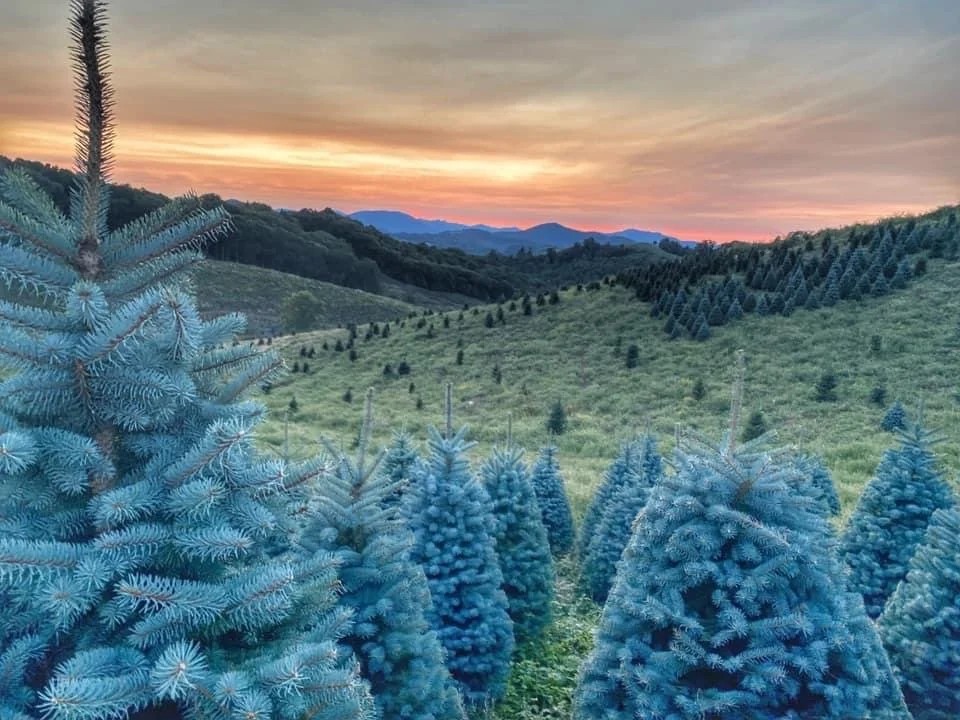
Photo: Mile High Tree Farm, Google Maps contributor at Mile High Tree Farm.
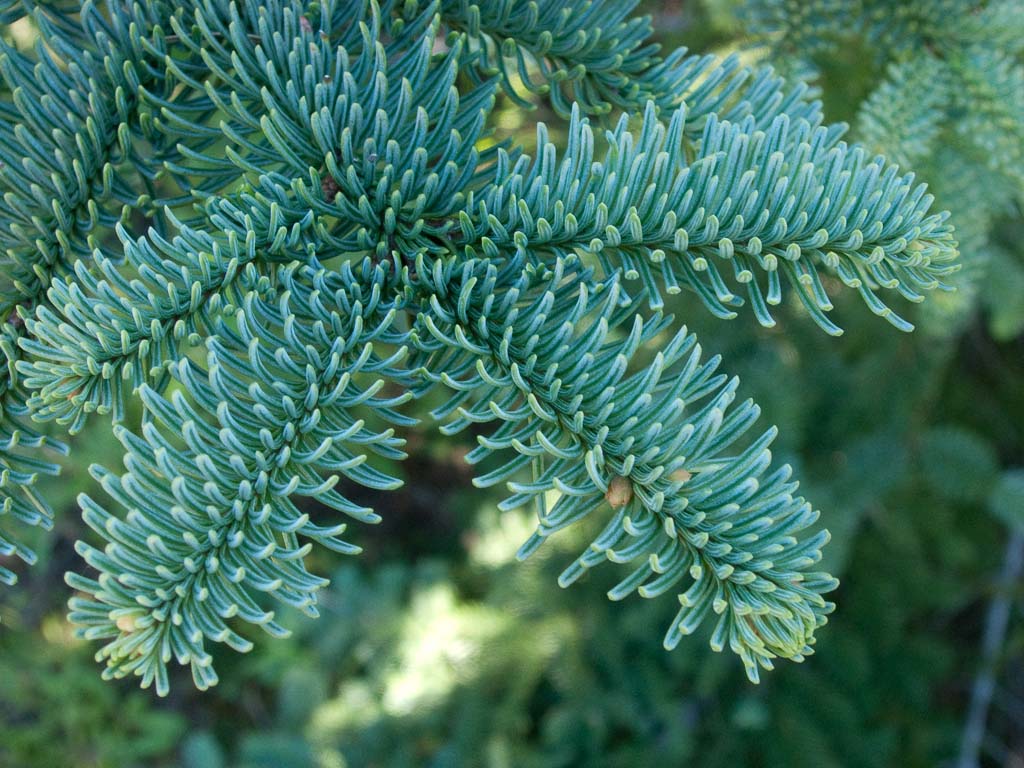
Photo: The Gymnosperm Database, Google Maps contributor at Pacific Northwest noble fir.
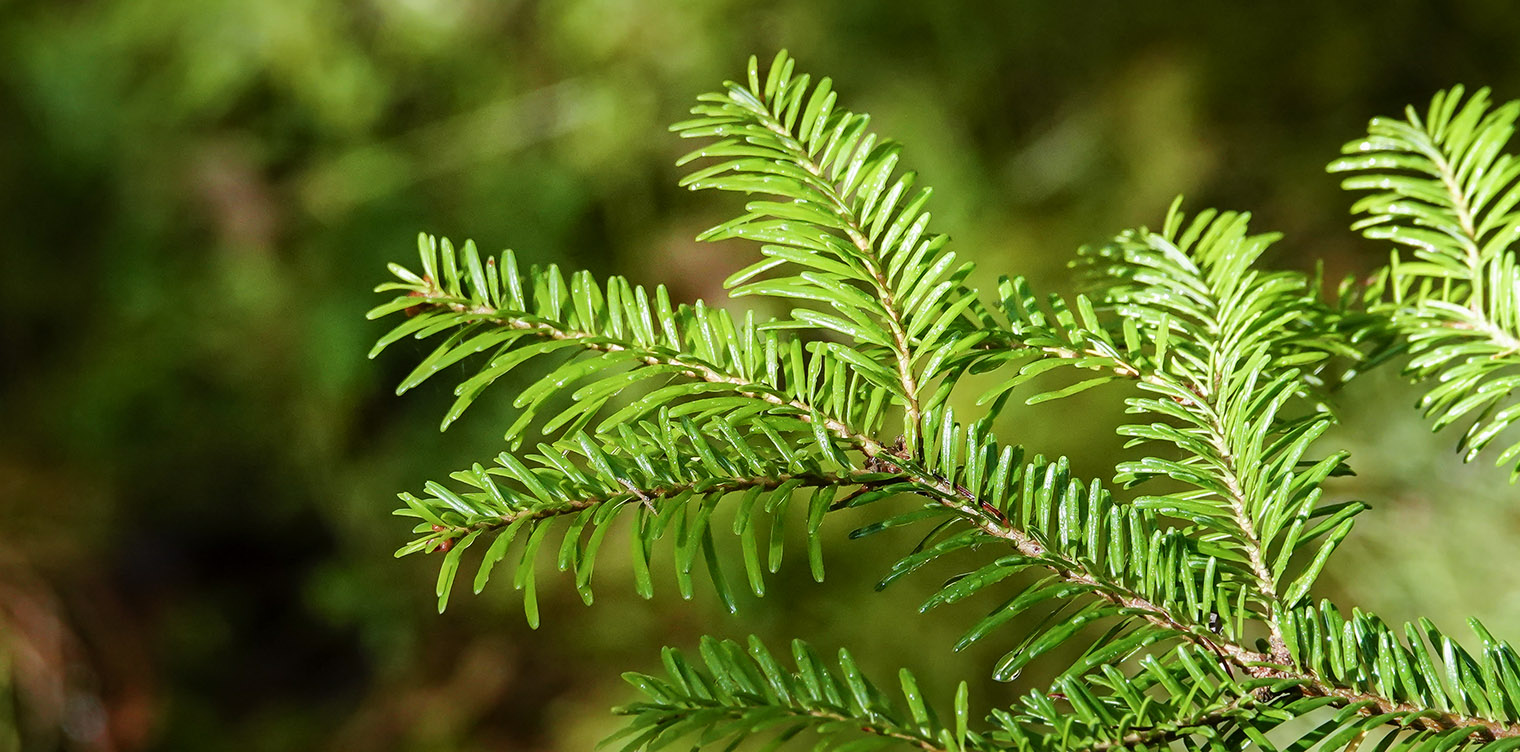
Photo: Adirondack Nature, Google Maps contributor at the Adirondack Mountains.