Real Christmas Tree Costs in 2026: What to Expect
Published September 19, 2026 · By Christmas Tree Farm Finder
The crisp air of a late autumn afternoon, the scent of pine needles already hanging faint in the breeze, the prospect of finding that perfect evergreen to bring home for the holidays; there is a certain magic to walking a Christmas tree farm. But beyond the nostalgic charm, a practical question always arises: what is this experience, and the tree itself, going to cost? Let us delve into the projected figures for 2026, considering all the factors that influence the price of your real Christmas tree.
Understanding the Factors Driving Tree Costs
The price you pay for a Christmas tree is not simply a reflection of its size; it is a complex equation influenced by a multitude of variables that begin years before the tree even leaves the ground. These factors, ranging from cultivation to market dynamics, converge to set the final price tag you encounter on the farm.
Cultivation and Labor Expenses
Growing a Christmas tree is a commitment stretching almost a decade, demanding constant attention and significant investment. Seedlings must be planted, nurtured, and protected from pests and disease; this long growing cycle means upfront costs are spread over many years, ultimately contributing to the final price. Labor, a substantial expense, involves skilled workers for shearing, pest control, and eventually, harvesting; the rising minimum wage and demand for agricultural labor push these costs upward each year.
Transportation and Fuel Costs
Once a tree is harvested, it needs to get from the farm to your chosen retail lot or even closer to the family home. Fuel prices, which can fluctuate wildly, directly impact the cost of transporting thousands of trees across states or even shorter distances within a region. The logistics of moving these large, bulky items efficiently also adds to the operational overhead for distributors and retailers, a cost inevitably passed on to the consumer.
Inflation and Market Demand
General economic inflation affects every aspect of the Christmas tree industry, from the price of fertilizer and equipment to the cost of land. Also, the enduring popularity of real Christmas trees creates consistent demand, which, especially when coupled with any supply shortages, can drive prices higher. Post-pandemic, the desire for authentic, experience-driven holiday traditions has only solidified this demand, allowing growers to maintain competitive pricing.
Average Prices by Tree Type in 2026
The species of tree you choose plays a significant role in its price, reflecting varying growth rates, cultivation difficulties, and consumer preferences. Certain varieties are simply more labor-intensive to produce or are in higher demand, translating into a steeper price per foot.
Fraser Fir Pricing
The Fraser Fir remains a perennial favorite, celebrated for its strong branches, excellent needle retention, and pleasant scent. Its desirable characteristics often place it at the higher end of the pricing spectrum; expect to pay between $15 to $22 per foot for a quality Fraser Fir in 2026, depending on its grade and where you purchase it. These trees are often cultivated in specific regions, and transportation costs can influence their retail price significantly.
Balsam Fir Pricing
Balsam Firs offer a classic Christmas tree experience with their robust fragrance and dark green needles. While still very popular, they often come at a slightly more accessible price point than Fraser Firs, typically ranging from $12 to $18 per foot. Their sturdy nature makes them a good choice for hanging heavier ornaments, and they are widely available across many regions.
Douglas Fir and Grand Fir Pricing
Douglas Firs are another excellent option, known for their soft, full needles and pyramid shape, usually costing about $10 to $16 per foot. Grand Firs are prized for their unique citrusy aroma and layered branching, often falling into a similar price range. These species are often a great balance of beauty and value, making them a popular choice for many families.
White Pine and Scotch Pine Pricing
For those seeking a more budget-friendly option, White Pines and Scotch Pines can be excellent choices. White Pines have long, soft needles and very good needle retention, while Scotch Pines are known for their stiff branches and classic cone shape. These varieties generally range from $8 to $14 per foot, providing a more economical path to a real Christmas tree. You can often find these types at local choose-and-cut operations.
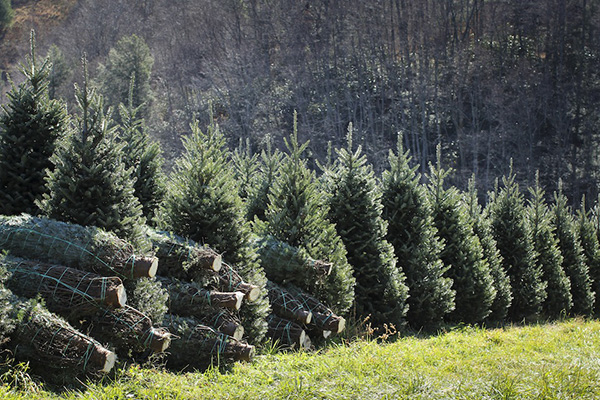
Photo: Old Forge Family Farm, Google Maps contributor at Old Forge Family Farm.
The Premium for Choose-and-Cut Experience
Opting for a choose-and-cut experience at a local Christmas tree farm often comes with a different pricing structure than a pre-cut lot; however, the value extends far beyond the tree itself. This premium reflects the unique joy of selecting your own tree directly from the field, a cherished annual tradition for many families.
Pricing Structure at Farms
Many choose-and-cut farms use a flat-rate pricing model for a certain height range, or a slightly higher per-foot rate to account for the farm's overhead and the experience provided. For example, a farm might offer "any tree up to 8 feet for $80" or charge $12-$18 per foot, regardless of species. This pricing often includes the use of saws, netting services, and sometimes even hot cocoa or wagon rides, adding to the festive atmosphere. You can often discover these delightful experiences by checking our list of Farms Near Me.
Value Beyond the Tree
The value of a choose-and-cut farm visit transcends the monetary cost of the tree. It is about creating lasting memories, breathing in the fresh air, and supporting local agriculture. Many families return to the same farm year after year, turning the tree selection process into a beloved family ritual; this intangible value is a significant part of the overall Christmas tree cost calculation for many.
Hidden Costs and Added Value Services
The initial price tag for your Christmas tree might just be the starting point; several additional costs and value-added services can influence your total expenditure. Being aware of these can help you budget appropriately for your holiday centerpiece.
Tree Stands and Care Products
A sturdy, reliable tree stand is essential, and if you do not already own one, it represents an additional expense. Stands can range from $25 for basic models to over $100 for high-quality, self-watering options. Also, tree preservatives or water additives, while optional, can extend the life of your tree and usually cost a few dollars per packet; these small investments can make a big difference in needle retention.
Delivery and Installation Services
For those who prefer convenience or have larger trees, many farms and retail lots offer delivery and even in-home setup services. These services typically come with an additional charge, often ranging from $50 to $150 depending on your location and the size of the tree. This is a practical consideration for individuals with limited transport options or those seeking a hassle-free experience.
Recycling and Disposal Fees
After the holidays, disposing of your tree can sometimes incur a small cost. While some communities offer free curbside pickup or drop-off points, others may charge a nominal fee for recycling services. Alternatively, some farms offer return programs where you can bring your tree back for chipping, often for a small charge or even free for their customers. Learning about proper tree recycling methods can also save you money and benefit the environment.
Strategies for Saving Money on Your Tree
Even with projected price increases, several smart strategies can help you secure a beautiful real Christmas tree without breaking the bank. A little planning and flexibility can go a long way in finding value.
Timing Your Purchase
The timing of your purchase can significantly impact the price. Early bird shoppers in late November or early December often have the best selection, but trees are at their peak price. Waiting until closer to Christmas, particularly the second or third week of December, can yield discounts as retailers aim to clear inventory. However, selection will likely be more limited; it is a trade-off between price and choice.
Considering Tree Height and Imperfections
A slightly shorter tree, perhaps 6 or 7 feet instead of 8 or 9, will naturally cost less per overall unit price. Also, do not shy away from trees with minor imperfections, such as a sparse patch on one side or a slightly crooked top. These "Charlie Brown" trees often come at a discount, and with clever decorating, they can look just as charming, sometimes even more so, than their perfect counterparts.
Researching Local Farms and Deals
Before you head out, do a bit of homework. Many farms, especially those listed when you browse Christmas tree farms by state, advertise specials or coupons online or in local papers. Signing up for newsletters from your favorite farms can also alert you to early bird sales or loyalty discounts. Comparing prices among several nearby locations can reveal significant savings, allowing you to prioritize value. For those eager to cut their own, consult our cut-your-own checklist for essential tips.
Photo: Michael, Google Maps contributor at Brookdale Fruit Farm.
The Enduring Value of a Real Christmas Tree
Despite the rising costs, the demand for real Christmas trees remains strong, a testament to the unique experience they offer. The sensory appeal alone – the rich fragrance, the soft touch of the needles, the vibrant green hue – creates an atmosphere that artificial trees simply cannot replicate.
Environmental Benefits and Sustainability
Beyond the aesthetic and nostalgic appeal, real Christmas trees offer significant environmental advantages. They are a renewable crop, absorbing carbon dioxide and producing oxygen as they grow. Also, Christmas tree farms provide habitat for wildlife and stabilize soil. After the holidays, real trees are biodegradable and can be recycled into mulch, contributing to a circular economy, unlike their plastic counterparts which often end up in landfills. The National Christmas Tree Association provides further insights into these environmental benefits.
The Priceless Memories
Ultimately, the true cost of a real Christmas tree is difficult to quantify purely in dollars and cents. It is an investment in an experience, a tradition, and the creation of cherished holiday memories. The trip to the farm, the selection process, the fresh scent filling your home; these elements contribute to the magic of the season in a way that often outweighs the monetary expenditure. As you plan your visit using our season calendar, remember that the joy a real tree brings is truly priceless.
Photo: Redland Family Farm, Google Maps contributor at Redland Family Farm.