Real Christmas Tree Costs in 2026: What to Expect
Published October 5, 2026 · By Christmas Tree Farm Finder
There’s a certain magic to a real Christmas tree; the crisp scent of pine, the unique imperfections of its branches, the shared experience of selecting the perfect one. For many, this annual tradition is steeped in nostalgia, a tangible connection to the season's joy. As we look ahead to 2026, understanding the financial landscape of this cherished custom helps families plan their celebrations without a hitch.
The Enduring Appeal of a Real Christmas Tree
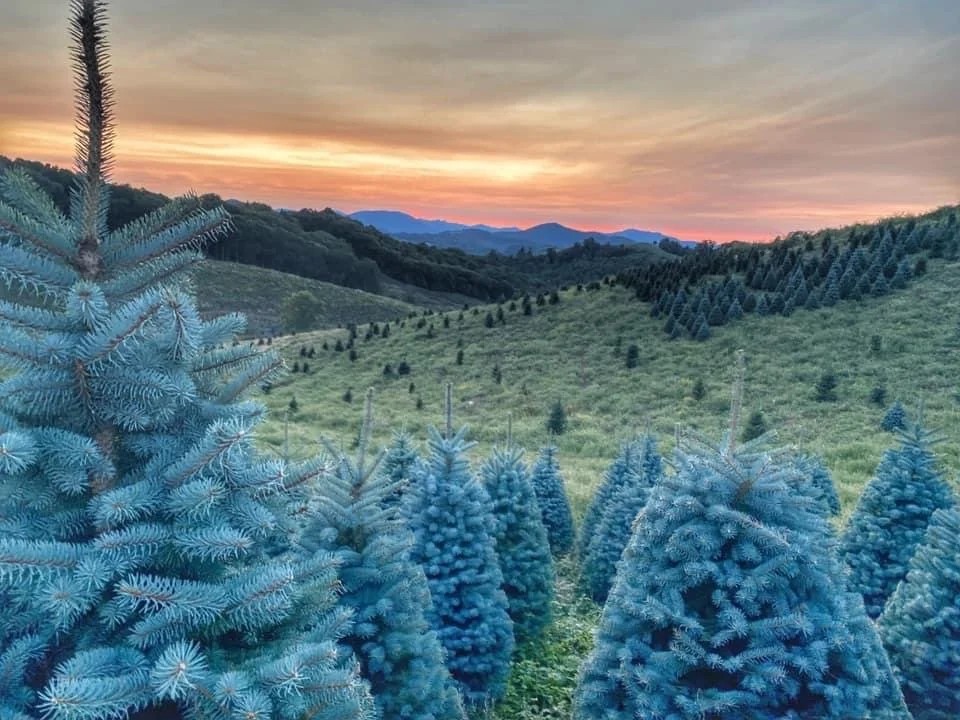
Stepping onto a Christmas tree farm, particularly on a brisk November morning, is an experience unlike any other. The air is alive with the earthy perfume of fir and spruce; rows of perfectly sculpted evergreens stretch across rolling fields, waiting for their moment in a family's home. This tactile, sensory journey is a key reason many continue to choose a real tree over its artificial counterparts; it's an outing, an adventure, and the start of holiday memories. Beyond the sensory delight, the environmental benefits of real trees, which are renewable and biodegradable, also hold significant appeal for eco-conscious consumers.
Factors Influencing Tree Pricing
Tree Species and Size Impact
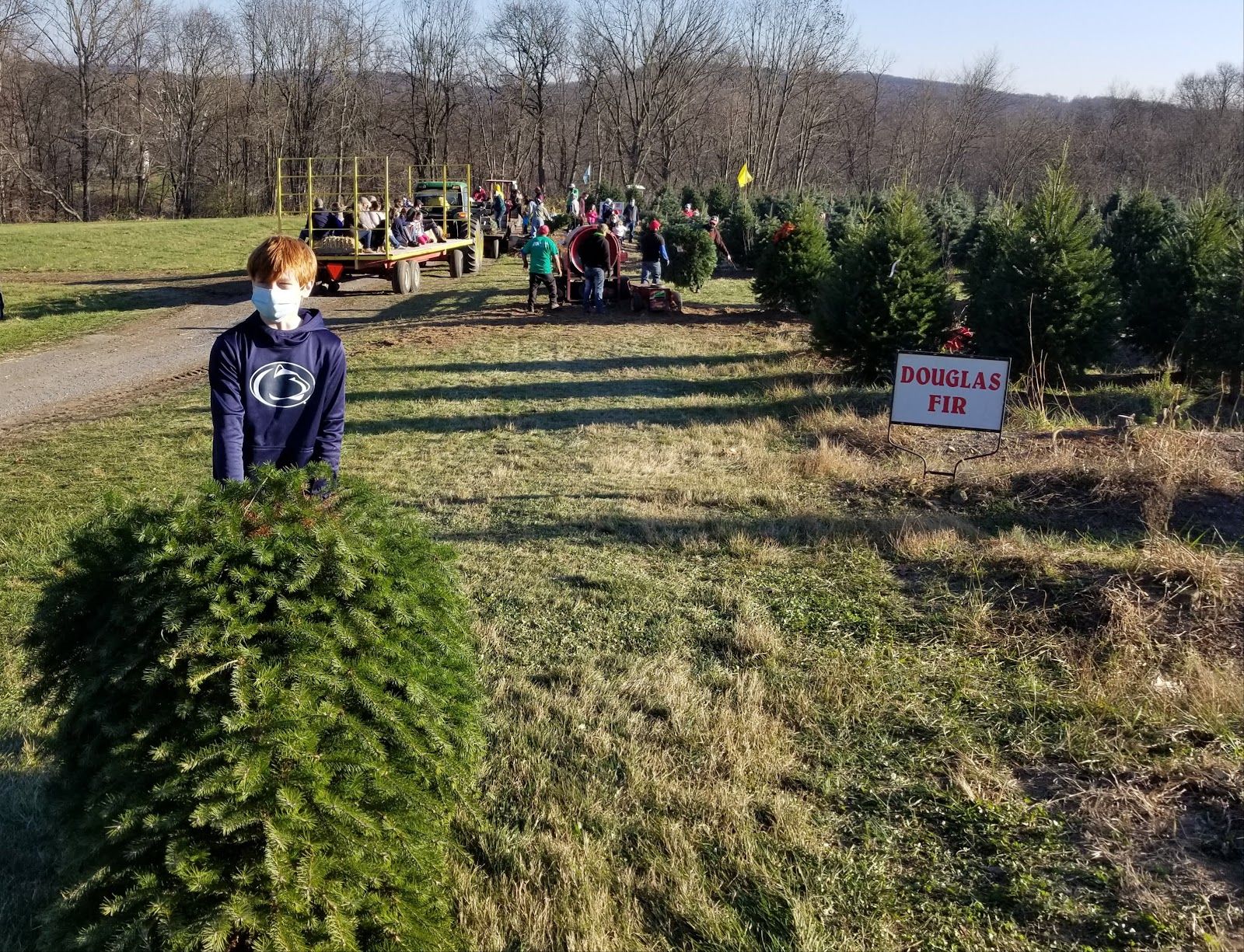
The type of tree you choose dramatically affects its price; Fraser Firs, known for their strong branches and excellent needle retention, often command a premium. Balsam Firs offer that classic Christmas tree scent but might be slightly less expensive, while Douglas Firs provide a full, traditional shape at a more moderate cost. Beyond the species, size is perhaps the most significant determinant of price; a towering 10-foot specimen will naturally cost considerably more than a more modest 6-foot tree, reflecting the years of growth and cultivation required. Many farms price by foot, making it easy to compare costs, though some adopt a flat fee per tree regardless of height within certain ranges.
Farm Type and Location Differences
Where you buy your tree plays a crucial role in its final cost; choose-and-cut farms often offer a more immersive experience, allowing families to wander through fields and personally select their tree. These farms might have slightly lower prices per foot due to reduced labor costs for harvesting, though the overall experience can be priceless. Conversely, pre-cut lots, which source trees from wholesale growers, typically have higher overheads for transportation and display, leading to slightly elevated prices. Urban pop-up lots, with their high rental costs and logistics, generally represent the priciest option, reflecting their convenience. Geographic location within a state also impacts pricing, with trees in higher-cost-of-living areas or major metropolitan regions typically being more expensive.
Economic and Environmental Pressures on Growers
The true cost of a Christmas tree is deeply intertwined with the economics of farming; growers face rising operational expenses, from labor wages and equipment maintenance to fuel for machinery. Also, environmental factors, such as unpredictable weather patterns, droughts, and pest outbreaks, can severely impact crop yields and necessitate additional investments in irrigation or pest control. These challenges, combined with the long growth cycle of 7 to 10 years for a marketable tree, mean growers must price their products to ensure long-term sustainability. The overall health of the economy, including inflation rates and consumer demand, also directly influences pricing structures.
Projected Average Costs for 2026
Average Cost by Tree Type
In 2026, we anticipate that the average cost for popular tree varieties will reflect continued inflationary pressures and sustained demand. A typical 6-7 foot Fraser Fir, renowned for its sturdy branches and pleasant aroma, could range from $90 to $130, depending on the farm and region. Balsam Firs of the same size, while still offering excellent needle retention and fragrance, might be found for $80 to $120. Douglas Firs, often lauded for their classic pyramid shape and soft needles, are expected to fall in the $75 to $115 range. These figures represent a general average; prices can fluctuate significantly based on local market conditions and individual farm policies.
Premium Tree Varieties
For those seeking something a bit more unique or with specific characteristics, premium varieties come with a higher price tag. A Concolor Fir, known for its citrusy scent and attractive blue-green needles, might cost $100 to $150 for a 6-7 foot tree. Blue Spruces, with their stiff, silvery-blue needles, often command prices in the $110 to $160 range, offering a distinct aesthetic. These premium options typically represent a smaller portion of a farm's inventory and are prized for their unique attributes, justifying their increased cost.
Average Cost for Taller Trees
If your home boasts high ceilings, a taller tree might be on your wish list, but be prepared for a substantial price increase. A majestic 8-9 foot tree, regardless of species, often costs $150 to $250, reflecting the additional years of growth and the increased difficulty in cultivation and harvesting. For truly grand spaces, a 10-12 foot tree can easily run $250 to $450 or even more. Trees above 12 feet often enter a specialty market, with prices negotiated directly with the farm due to their rarity and the logistical challenges of handling such large specimens.
Value-Added Services and Products
Beyond the tree itself, many farms offer a range of additional services and products designed to enhance the holiday experience. These can add to the overall cost but often provide considerable value and convenience. Tree baling, which compresses the branches for easier transport, is often a complimentary service or a small fee of $5-$10. Tree stands, essential for securing your tree, typically range from $30-$70 depending on their size and material. Farm shops might sell wreaths, garlands, ornaments, and even local crafts, allowing you to complete your holiday decorating with a single visit.
Making Your Tree Last Longer
To truly maximize your investment, proper care is paramount; a well-cared-for tree can last for several weeks, maintaining its fresh appearance and scent. As soon as you get your tree home, cut an inch or two off the bottom of the trunk to open up its pores, allowing it to absorb water more effectively. Place it immediately in a sturdy stand filled with fresh water; monitor the water level daily, replenishing it as needed. Keeping the tree away from direct heat sources, like fireplaces or heating vents, will also help prevent it from drying out prematurely. For more detailed advice on extending the life of your tree, consult our tree species guide.
The Economic Impact of Buying Real
Choosing a real Christmas tree supports local agriculture and strengthens community economies. When you purchase from a local farm, you are directly contributing to a small business, often family-run, that provides jobs and maintains open spaces. This is a significant economic boost, especially in rural areas; the National Christmas Tree Association estimates that the real Christmas tree industry generates over $1 billion in annual sales. Also, these farms often participate in sustainable practices, replanting new trees for every one harvested, ensuring the longevity of this cherished tradition. You can browse Christmas tree farms by state to find local growers near you and support these vital businesses.
Budgeting for Your 2026 Tree
Planning ahead is key to managing your Christmas tree budget effectively. Start by considering your ideal tree size and species, then research farms in your area; our Farms Near Me feature can help you locate options. Many farms will post their anticipated 2026 pricing in late fall, allowing you to compare costs before you visit. If budget is a primary concern, consider arriving early in the season for the best selection, or conversely, waiting until closer to Christmas for potential end-of-season deals on pre-cut lots. Remember, the true value of a real Christmas tree often lies not just in its price, but in the unforgettable family experience it provides. After the holidays, ensure you plan for proper tree recycling to complete the cycle sustainably.
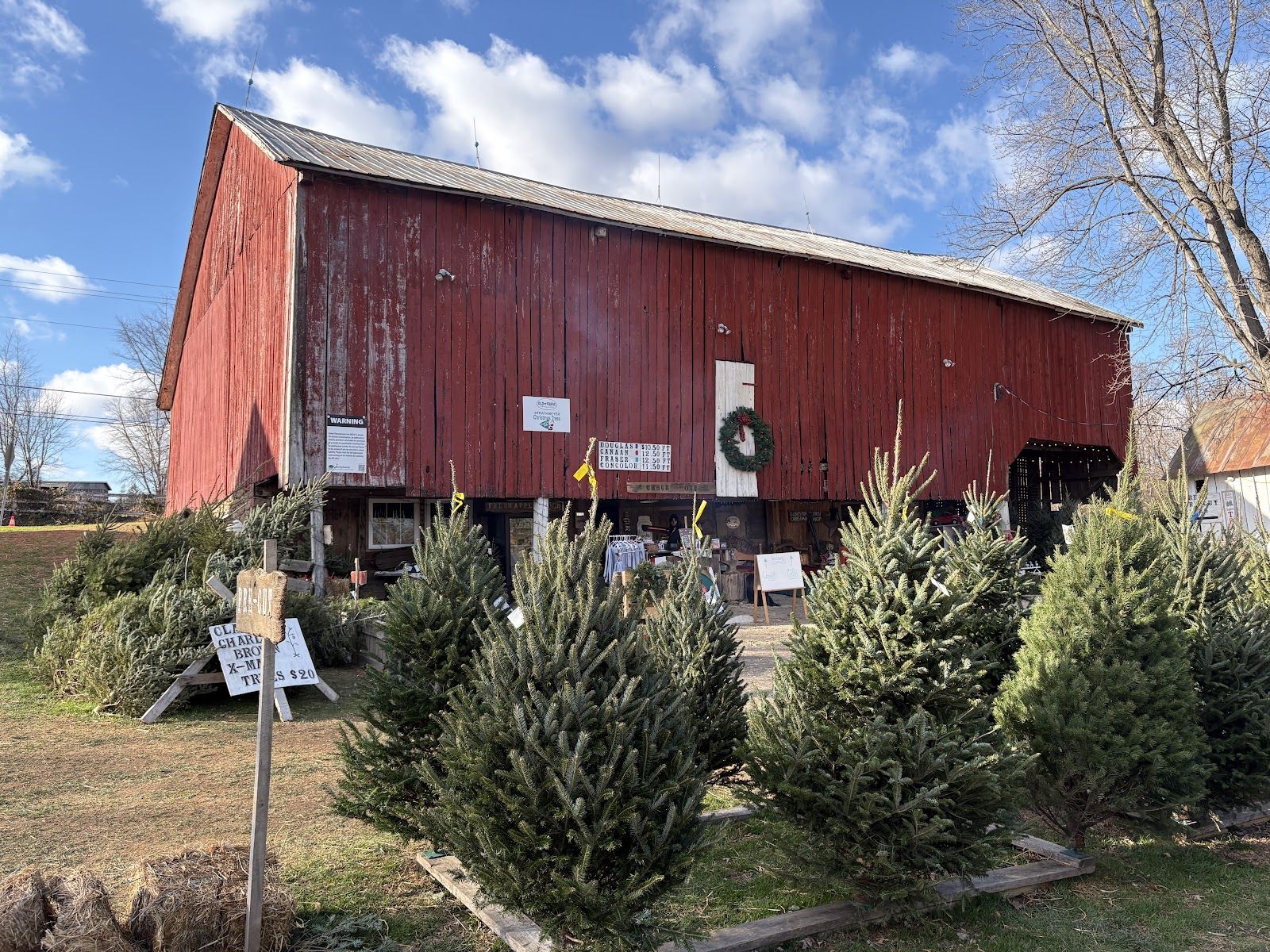
Photo: Old Forge Family Farm, Google Maps contributor at Old Forge Family Farm.
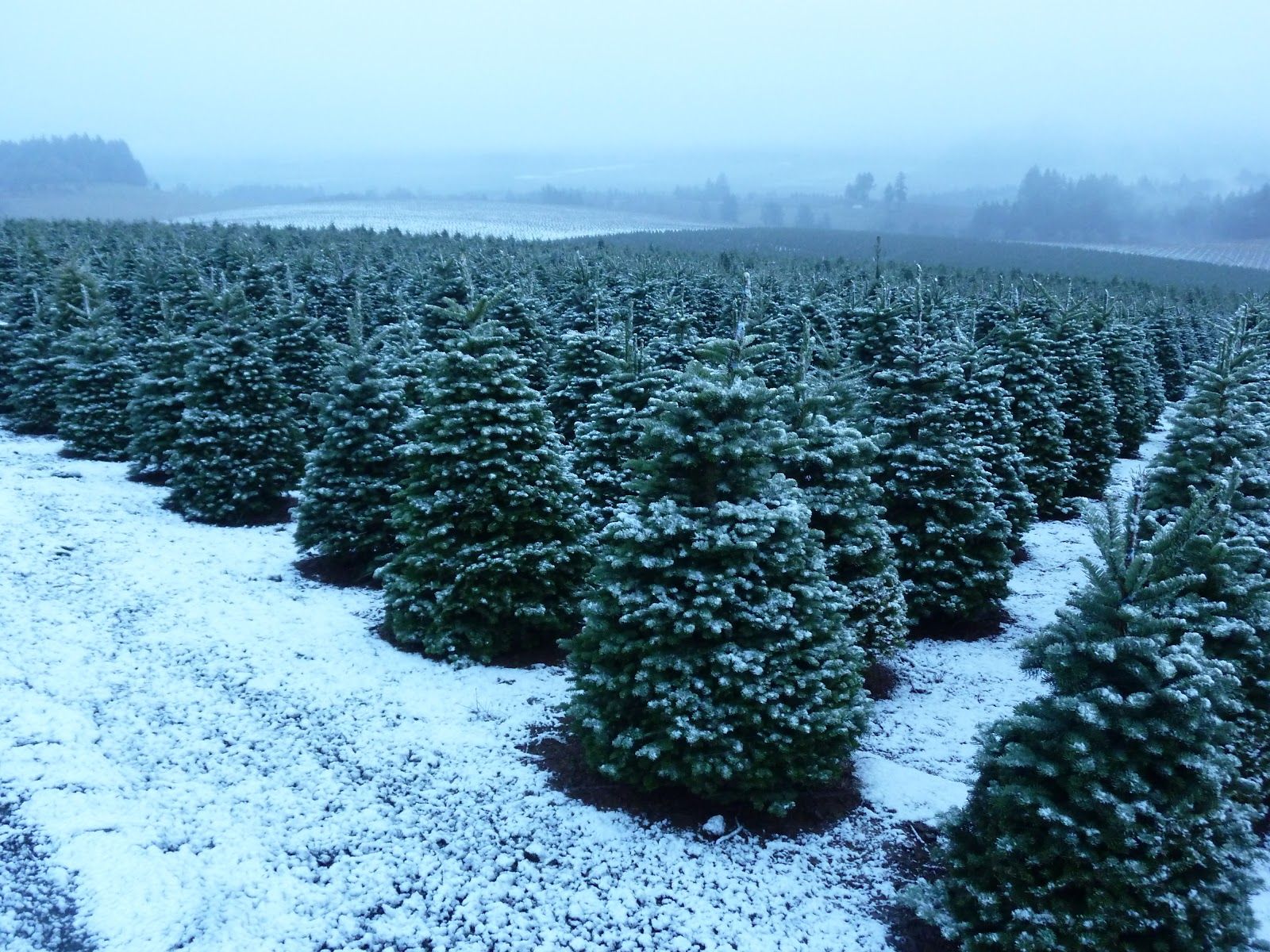
Photo: Noble Mountain Tree Farm- Wholesale Only, Google Maps contributor at Noble Mountain Tree Farm.
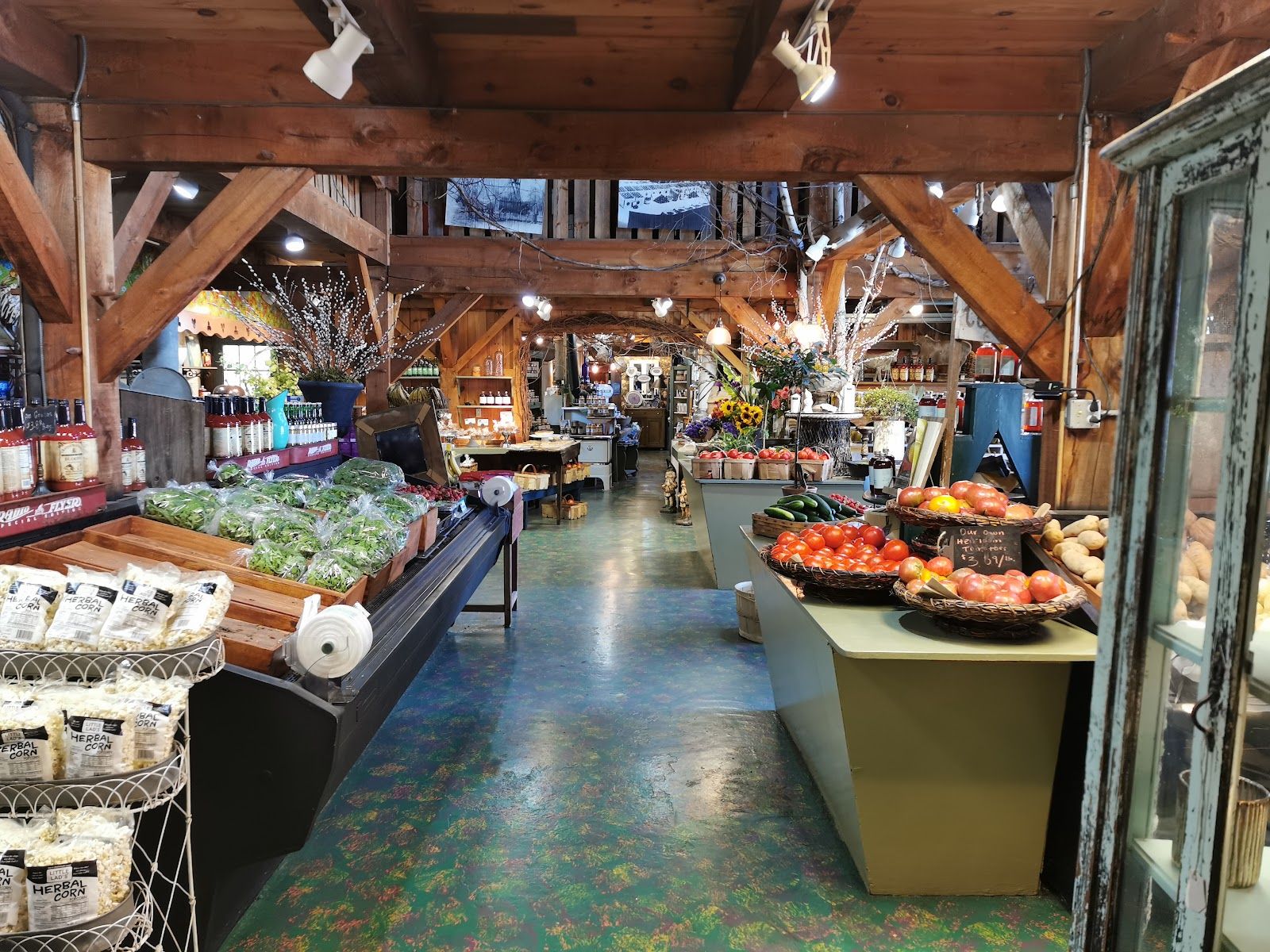
Photo: Brookdale Fruit Farm Inc., Google Maps contributor at Brookdale Fruit Farm.