Small Family Farms vs Big-Box Lots: What Buyers Must Know
Published November 7, 2026 · By Christmas Tree Farm Finder
Standing under the humming halogen lights of a hardware store parking lot while exhaust fumes drift from the nearby bypass feels entirely different than kneeling in damp rye grass with sap sticking to your gloves. Millions of households make this trade every winter without considering what actually happens between the stump and the living room stand; the differences alter needle retention, fire safety and the longevity of holiday decor. Choosing where to spend your seasonal budget is not merely an issue of convenience; it determines the biological condition of the timber entering your home.
The Biological Timeline of the Harvest Cut
Wholesale distributors begin felling commercial trees in early autumn to meet rigid trucking schedules across several time zones; thousands of firs sit stacked in pallet crates long before Thanksgiving arrives. Exposure to sun, wind and diesel exhaust robs these dormant evergreens of their internal cellular hydration before retail distribution even starts. When you purchase from an industrial parking lot, you often bring home a tree that ended its biological intake six weeks prior.
Immediate Hydration on Family Farm Acreage
Family growers manage their acreage so that conifers remain wired into regional soil until the moment a customer pulls a bow saw across the collar. Severing a living trunk immediately starts the desiccation clock; fresh cuts instantly absorb pints of water when set into an indoor basin within ninety minutes. That biological immediacy keeps sap running through the foliage instead of leaving branches brittle before mid-December.
Vascular Resin Barriers in Stored Conifers
A conifer uses pitch to heal wounds and prevent vascular air bubbles from choking its internal transport channels. When a tree sits cut for over a month in a depot yard, that natural resin hardens into an impenetrable seal across the base of the trunk; water cannot penetrate the sapwood without a fresh slice across the grain. Fresh specimens preserve active sap movement, which maintains branch flexibility under heavy ornaments.
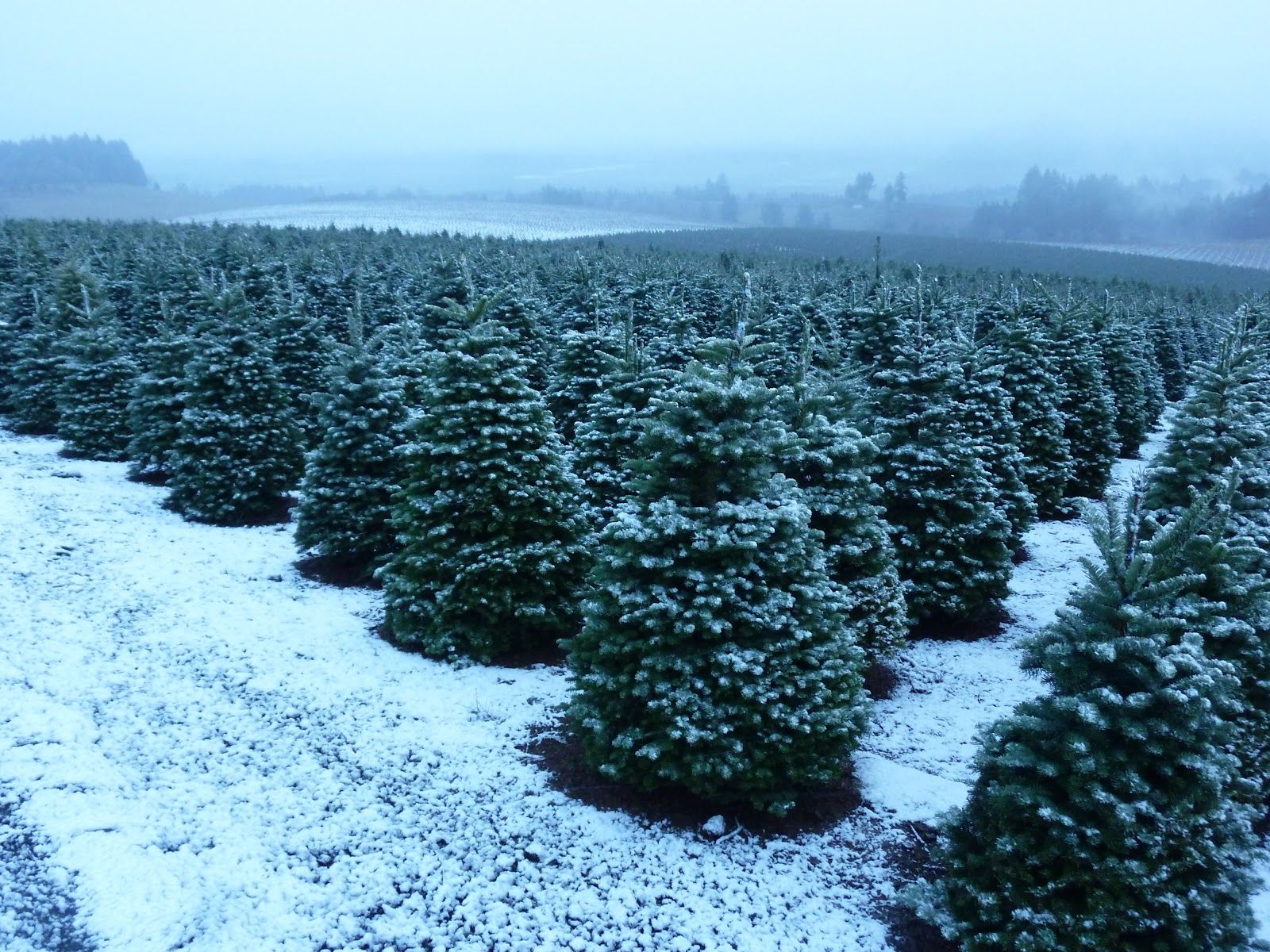
Photo: Noble Mountain Tree Farm- Wholesale Only, Google Maps contributor at Noble Mountain Tree Farm.
Physical Layout and Tree Inspection Realities
Pavement lots in commercial strips pack hundreds of bundled trees together in tight upright corrals, forcing shoppers to make quick evaluations based on obscured silhouettes. You cannot see whether a bundled Scots pine has a lopsided crown or a crooked spine until you cut the netting back in your driveway; returns are messy and rarely accepted without friction. The retail lot environment prioritizes inventory density over visual inspection.
Natural Illumination Across Open Planting Rows
Field selection requires genuine footwork across uneven terrain, mud paths and rolling hills where each specimen stands exposed to open sunlight from every angle. You examine trunk straightness from thirty paces away; you inspect branch density beneath natural daylight rather than the orange tint of floodlights. The acreage permits an honest appraisal of symmetry because surrounding competition does not hide dead interior pockets.
Preparing for Field Conditions and Transport
Stomping through heavy acreage demands sturdy footwear, work gloves and a reliable measuring tape to prevent dimensional surprises once you step through the front door. Consulting a practical cut-your-own checklist beforehand keeps the outing enjoyable; it saves you from ruined sneakers, dull saws and improperly anchored roof racks. Experienced farm visitors bring an old blanket to shield vehicle paint from abrasive branches during the trip home.
Cultivar Selection and Foliage Longevity
Big-box garden centers buy uniform loads of Fraser or Douglas fir because these species compress easily for long-distance pallet shipping. They cater to bulk transit metrics rather than the unique temperature shifts or interior humidity levels of your specific living room. Niche varieties with stiff boughs or citrus aromas rarely survive commercial distribution networks without extensive needle drop.
Sourcing Diverse Evergreens for Distinct Displays
Independent agricultural plots often cultivate four or five distinctive evergreens, balancing classic balsam with drought-resistant varieties like concolor or Canaan firs. Studying a detailed tree species guide before heading down farm lanes lets you match branch strength to heirloom ornaments; delicate boughs sag beneath heavy metal decorations. Farm operators identify the unique structural quirks of each cultivar because they monitor their seedling stock across a decade of growth.
Economics, Farm Maintenance and True Value
Big-box garden centers utilize corporate purchasing power to drive down acquisition costs, frequently using trees as promotional loss leaders to sell expensive plastic stands, lighting spools and lawn ornaments. Their prices reflect volume discounts negotiated months in advance; the floor prices undercut small growers whose labor is concentrated entirely on agricultural maintenance. Buyers operating on strict financial constraints often find the immediate savings of these parking lots hard to pass up.
The Cost Realities of Sustained Agronomy
A family farm invests nearly eight years of labor, mowing, shearing, pest management and property tax into a single seven-foot evergreen before it ever meets a blade. Your payment directly funds ground maintenance, erosion control and seasonal equipment repairs; the transaction sustains rural agricultural land against the march of residential subdivisions. The slightly higher ticket price purchases farm preservation alongside a fresh holiday centerpiece.
Finding Sustainable Value with Local Growers
Savvy buyers who want reliable needle life without extreme price markups often look beyond suburban edges toward rural operations tucked off county highways. Using a directory like Farms Near Me reveals family-run groves with transparent field pricing, shake cleaning services and complimentary baling. Visiting an independent producer keeps money inside the immediate agricultural economy while avoiding corporate middleman markups.
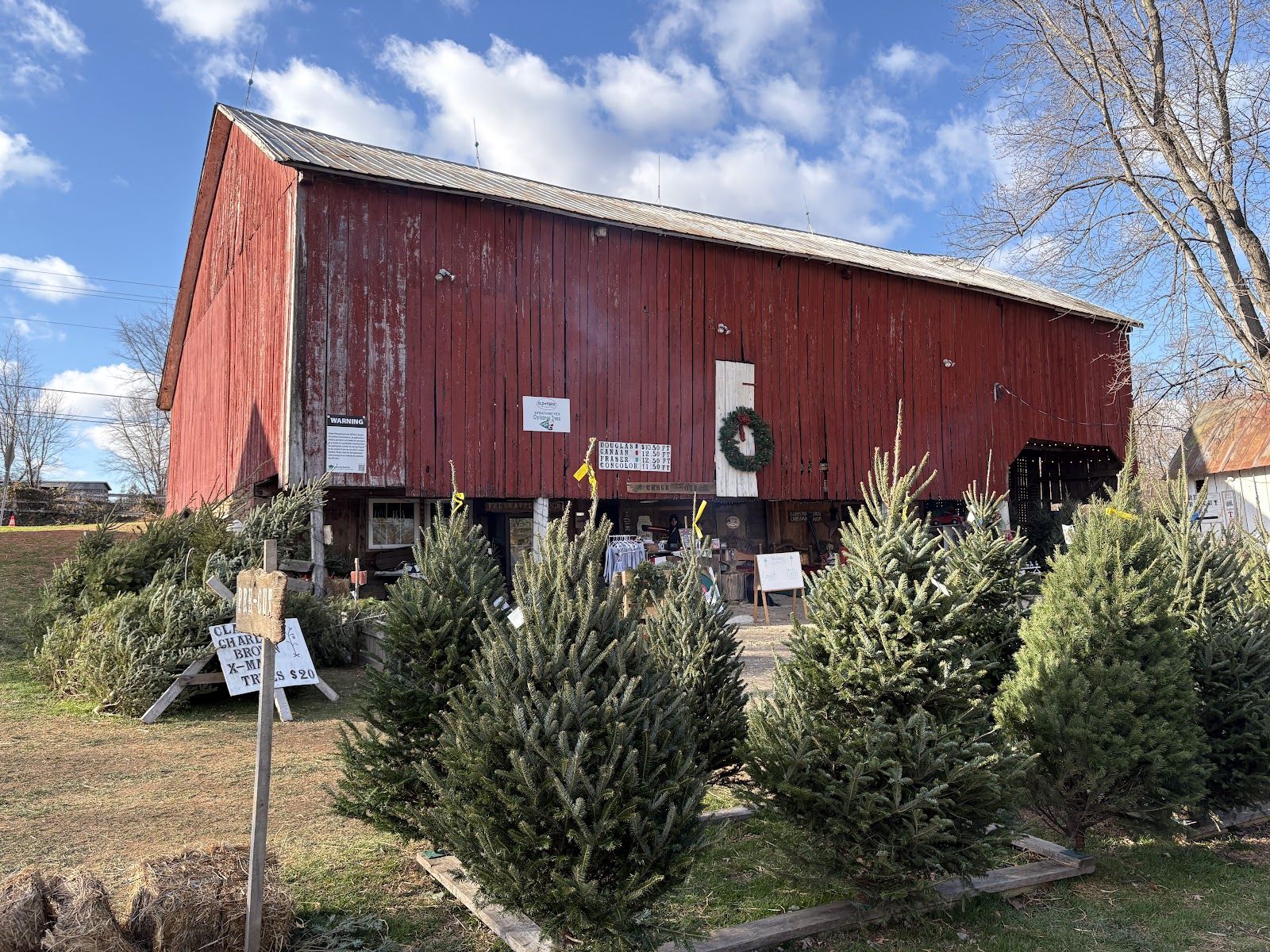
Photo: Old Forge Family Farm, Google Maps contributor at Old Forge Family Farm.
Agronomic Expertise and Customer Support
Seasonal employees hired at general merchandise retailers are typically shifted between paint aisles, registers and lumber racks on short notice. They cannot answer detailed questions about needle retention, trunk water uptake rates or local soil mineral profiles; their primary duty involves clipping shipping twine and hoisting parcels onto car roofs. Their answers usually reflect generic retail guidance rather than seasoned agronomic experience.
Guidance from Multi-Generational Land Stewards
Independent growers walk their fields through summer droughts and spring floods, observing how frost patterns alter needle development year after year. When you ask a grower about bark health or root watering routines, you speak with the individual who sheared the leader shoots by hand; their insight prevents common household mistakes that cause premature browning. That level of personal accountability provides buyers with practical confidence.
Research Standards from Agronomic Groups
Modern farm owners coordinate with research organizations like the National Christmas Tree Association to implement integrated pest management, disease resistance testing and safe hydration protocols. These educational partnerships ensure that small growers follow responsible conservation methods that protect both rural watersheds and domestic living spaces. The result is a clean product grown under vetted agricultural standards rather than unchecked commercial harvesting.
Climate Timing and Environmental Impact
Purchasing a tree from an asphalt lot early in the season carries substantial risk because the merchandise has already spent weeks drying in transit. If you set up an already parched tree beside a forced-air heat register in late November, the boughs will turn crisp before festive gatherings even commence. Chain operations rarely adjust display conditions for unseasonable heat spikes.
Tracking Dormancy on the Harvest Schedule
Timing your farm trip alongside the regional season calendar ensures you harvest during the peak dormant window for your local climate zone. Cutting too early during warm autumn weather can disrupt needle retention; cutting too late in deep freezes risks brittle branches snapping beneath heavy snow blankets. Small growers track these frost patterns closely, opening their gates only when the foliage is chemically primed for display.
Transport Hazards and Environmental Shock
Trees bound for big-box retailers travel hundreds of highway miles on open flatbeds or inside enclosed shipping containers where humidity levels fluctuate wildly. This rapid transit exposes delicate foliage to highway winds, road salt and sudden thermal swings that shock the evergreen vascular system; needles begin separating from twigs long before the customer cuts the twine. Retail lots rarely provide shelter from drying winds once the pallets arrive.
Managing Immediate Transit from Field to Hearth
Harvesting at a local grove limits vehicle transport to a short drive down county backroads at moderate speeds. You can wrap the specimen in a canvas tarp, secure it to roof bars with sturdy straps and have the base submerged in cool water within an hour of cutting. This swift transition prevents the desiccation shock that plagues cross-country commercial freight shipments.
Long-Term Environmental Stewardship
Industrial tree production on corporate plantations often relies on monoculture planting schemes that prioritize rapid harvesting cycles over soil health. When thousands of trees are cleared simultaneously with heavy machinery, the topsoil suffers severe compaction and runoff erosion; the land requires extensive synthetic intervention to recover. Small family plots balance harvest rotations across several staggered parcels to protect watershed integrity.
Preserving Rural Greenbelts from Development
Christmas tree operations maintain vital green corridors around urban fringes, providing habitat for songbirds, small mammals and beneficial soil organisms during cold months. Supporting these family enterprises prevents agricultural plots from being sold off to industrial developers who pave over rich loam with concrete foundations. The acreage serves as working open space that cleans air and absorbs rainfall year after year.
Responsible Disposal and Post-Holiday Chipping
Both farm-fresh trees and lot trees must eventually leave your home once seasonal festivities wind down, but their biological condition dictates how cleanly they break down. Utilizing local tree recycling programs turns natural evergreen wood into garden mulch, trail base or fish habitat in municipal lakes. A tree that was cut fresh without synthetic chemical greening sprays decomposes naturally, returning clean nutrients to municipal soils.
Regional Growing Variations Across the Country
Soil composition and moisture levels vary significantly between Pacific Northwest rain belts and the rocky ridges of Appalachia. Buyers who browse Christmas tree farms by state quickly discover how regional climates influence species availability, resin production and needle firmness. Supporting regional producers connects you directly to the distinct terroir and agricultural strengths of your home territory.
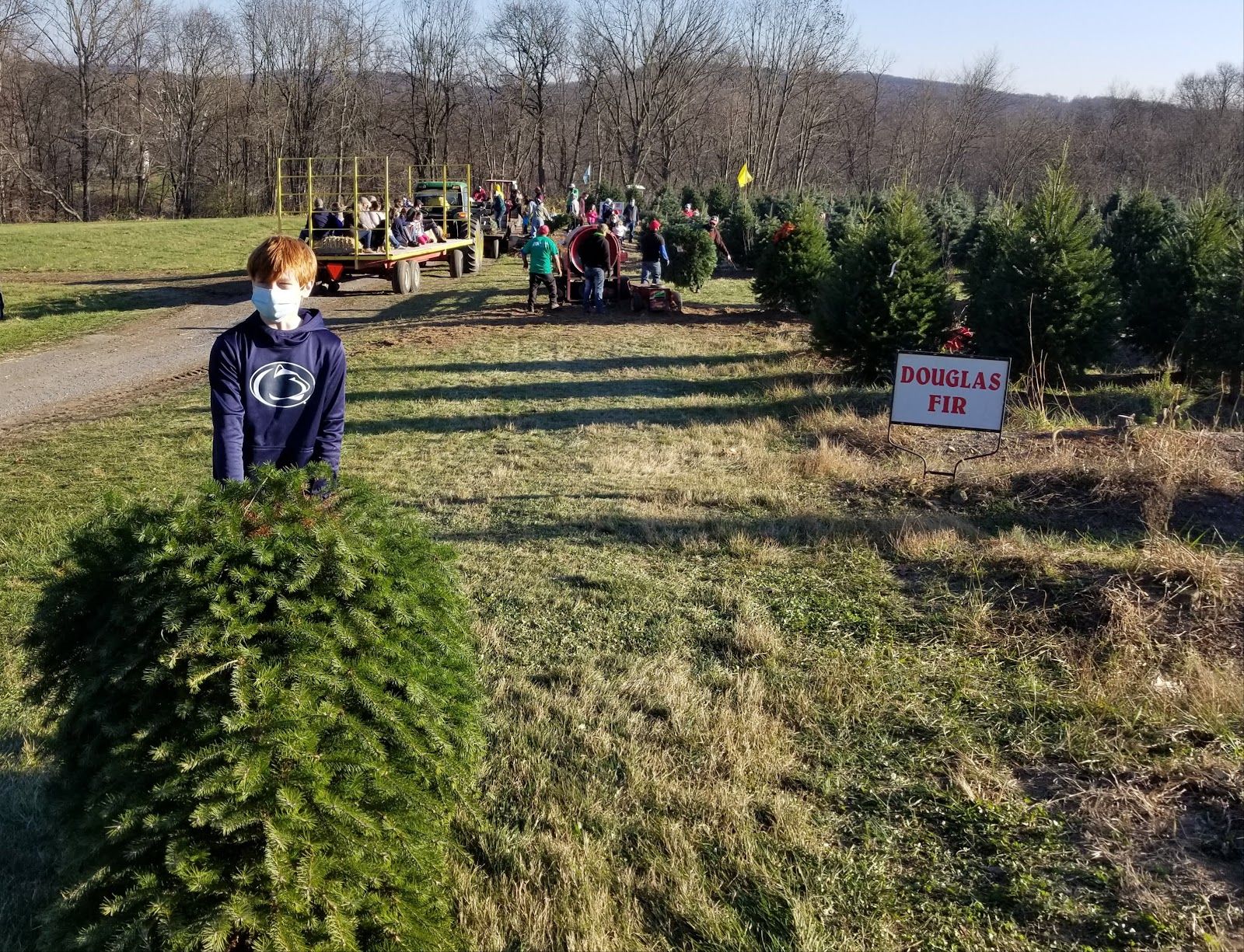
Photo: McCurdy's Tree Farm & Landscaping, Google Maps contributor at McCurdy's Tree Farm and Landscaping.
The Household Experience and Seasonal Memory
A visit to a warehouse club or home improvement retailer is an errand wedged between grocery stops, dry cleaning runs and hardware pickups. You jostle shopping carts down crowded garden aisles, grab a plastic-wrapped trunk from a metal rack and pay at a self-checkout scanner. It is an efficient process designed for speed; it eliminates the unpredictable weather and muddy boots of rural excursions.
The Tactile Ritual of the Family Field
Walking through rows of fragrant conifers on a crisp December morning offers an intentional break from digital screens and indoor routines. Children run between the spruce rows searching for hidden bird nests; adults debate the merits of a wide base against the height of a lofted ceiling. The physical work of dragging the tree to the baling station creates a shared memory that transforms an agricultural crop into a cherished household centerpiece.
Evaluating Household Priorities for the Holiday Season
If your schedule is packed tight and your primary goal is finding an affordable evergreen in twenty minutes, a big-box lot delivers undeniable convenience. However, if you prize needle longevity, distinctive aroma, authentic freshness and open-air family traditions, the local grower remains unmatched; the physical condition of the timber tells the story. Choosing the farm honors the seasonal calendar and guarantees an evergreen that stays supple well past the new year.