Small Family Farms vs. Big-Box Stores: What Buyers Need to Know
Published September 12, 2026 · By Christmas Tree Farm Finder
The crisp air of December; the scent of pine needles; the anticipation of a festive season; for many, it all begins with the Christmas tree. Choosing a tree is more than a simple transaction; it is a pilgrimage, a tradition, a moment to create lasting memories. But where do you begin your search for the perfect evergreen centerpiece: a sprawling big-box lot or a cozy family farm? The answer profoundly shapes not just the tree you take home, but the entire experience surrounding its selection.
The Journey to the Tree
Navigating the Big-Box Landscape
A big-box store's Christmas tree lot presents a vision of efficiency and convenience. These are typically flat, open spaces, sometimes under temporary canopies, filled with hundreds of pre-cut trees stacked or netted. The selection process often involves quickly walking aisles of similar-looking evergreens, perhaps untying a few to gauge their fullness, then making a swift decision. It is a no-frills, practical approach, designed for volume and quick turnover; you grab your tree, pay at a register, and you are on your way.
The Charm of the Family Farm Experience
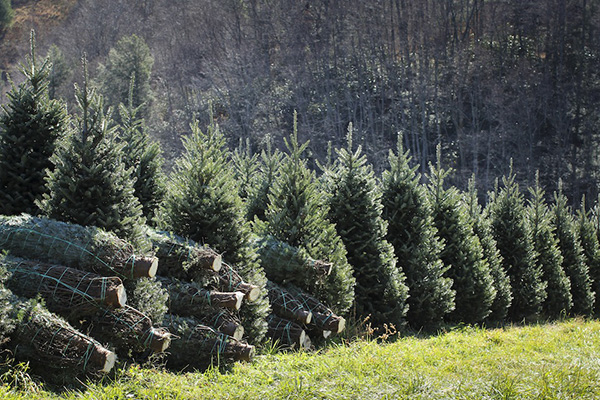
Stepping onto a family Christmas tree farm is an entirely different affair. Here, the journey is as much a part of the destination as the tree itself. You might park on a grassy field, often greeted by the distant sounds of laughter or a crackling fire; a hayride might carry you deep into the fields where trees stand rooted, waiting. This is not just a place to buy a tree; it is an outing, an event, a chance to slow down and embrace the season.
Selection and Variety
The Big-Box Inventory Model
Big-box stores rely on bulk purchasing, meaning their tree inventory is often limited to a few popular, fast-growing species. You will commonly find Fraser Firs, Balsam Firs, and perhaps Douglas Firs, all grown on large commercial plantations and shipped in. While there is usually a wide range of sizes, the diversity of species and the individual character of each tree can be somewhat uniform; they are chosen for their consistent shape and marketable appeal. These trees are typically cut weeks before arriving on the lot, then bundled for transport.
Curated Choices at the Family Farm
Family farms, by contrast, often offer a more eclectic and locally attuned selection of trees. Depending on the region, you might discover less common species like Canaan Fir, Concolor Fir, or even various types of Spruce, each with unique needle textures, colors, and aromatic qualities. These farms often grow their own trees, sometimes cultivating them for years; this allows for a wider array of shapes and sizes, from perfectly conical to beautifully wild and asymmetrical, each bearing its own distinct personality. Many farms specialize in a specific type of tree that thrives in their particular soil and climate, providing a truly local product.
Photo: Old Forge Family Farm, Google Maps contributor at Old Forge Family Farm.
Tree Freshness and Longevity
Shelf Life on the Big-Box Lot
The primary concern with a big-box tree is its freshness. Since these trees are cut weeks, sometimes even a month, before they reach the lot, they have a finite lifespan once you bring them home. They are often stored without water, which can accelerate needle drop and diminish their fragrance. While retailers do their best to keep them hydrated with occasional watering or by storing them in cool conditions, the journey from field to store to your living room is long, impacting the tree's overall vigor. You might find yourself needing to trim a significant portion off the trunk just to get the tree to absorb water effectively.
Peak Freshness from the Farm
Choosing a tree from a family farm, particularly a "cut-your-own" operation, guarantees unparalleled freshness. When you cut the tree yourself, or select one that was cut that very morning, its cellular structure is still robust; it is ready to drink water immediately and retain its needles and fragrance for much longer. This translates to a more vibrant tree throughout the holiday season, one that smells more potent and requires less cleanup. Even if you are choosing a pre-cut tree from a farm, it was likely harvested mere days, not weeks, before sale, making it significantly fresher than most big-box alternatives. This direct-from-the-source freshness is a major differentiator.
The Pricing Structure
Big-Box Pricing Strategies
Big-box stores typically price their trees by height, with a fixed rate per foot or a tiered pricing system. Their overheads are generally lower due to scale; they buy in such massive quantities that they receive significant discounts. This often translates to a seemingly lower sticker price, making them attractive to budget-conscious buyers. However, hidden costs might arise if the tree loses needles quickly and needs replacing, or if its less-than-perfect shape means you have to buy extra decorations to fill in gaps. Sometimes, the lowest initial cost does not equal the best value in the long run.
Farm Pricing and Value Proposition
Family farms usually price their trees based on species, height, and quality, sometimes with variations for exceptional specimens. While the initial price might seem slightly higher than a big-box store, you are often paying for freshness, quality, and the experience itself. Many farms offer add-ons like tree shaking, netting, or assistance loading, which are often included in the price or offered at a nominal fee. You are investing in a healthier, longer-lasting tree and supporting a local business; this value extends beyond the immediate purchase. When considering where to buy, you might find options to browse Christmas tree farms by state to compare local pricing and offerings.
Supporting Local and Community Impact
The Corporate Reach of Big-Box Stores
When you purchase a tree from a big-box retailer, your money primarily supports a large corporation, often with national or international reach. While these stores provide jobs within the community, the profits largely flow out to shareholders and corporate headquarters. There is less direct impact on local agriculture or the unique charm of the region. It is an efficient, standardized transaction, but one that lacks a direct connection to the local economy.
Nurturing Local Agriculture and Tradition
Choosing a family farm means directly supporting local agriculture, often a multi-generational business. These farms contribute to the local economy; they employ local people, pay local taxes, and often source supplies from other local businesses. They help preserve green spaces, maintain agricultural land, and contribute to the rural character of a region. Also, many farms become community gathering spots; they host school field trips, support local charities, and create traditions that span decades for countless families. It is a decision that extends beyond the holiday season, fostering a sense of community. Farms Near Me can help you find such local gems.
Beyond the Tree: Ancillary Offerings
Limited Big-Box Extras
Big-box lots typically offer minimal ancillary services. You might find basic netting for your tree, and occasionally some twine to secure it to your vehicle. The focus is squarely on the tree itself; any additional holiday decor, wreaths, or garland must be purchased inside the main store, usually from a separate department. The atmosphere is functional; there is little to draw you in beyond the primary product.
The Full Festive Experience at the Farm
Family farms frequently transform into festive hubs during the holiday season. Beyond the trees, you might discover fresh, handmade wreaths, garlands, swags, and other unique evergreen decor. Many farms offer warm beverages like hot chocolate or cider, along with seasonal treats. Some provide activities like hayrides, visits with Santa, craft stations for kids, or even small gift shops featuring local artisan goods. It is an immersive experience, a perfect setting to make family memories, and often includes amenities like fire pits where you can warm your hands and enjoy the festive ambiance. For a more complete understanding of what makes a great farm visit, check out our cut-your-own checklist.
Photo: Redland Family Farm, Google Maps contributor at Redland Family Farm.
Educational Opportunities
Big-Box Information Gaps
At a big-box lot, detailed information about tree species, proper care, or origin is often limited. Staff might be able to tell you the name of the tree, but they rarely have deep knowledge about specific characteristics, growth patterns, or ideal care beyond basic watering. The emphasis is on quick sales, not educational enrichment; questions about specific needle retention or fragrance might go unanswered, leaving the buyer somewhat uninformed about their purchase.
Farm Expertise and Insights
Farm owners and staff are typically a wealth of knowledge; they have often planted, nurtured, and harvested these trees themselves. They can tell you about different tree species guide, which ones hold needles best, which have the strongest scent, and offer expert advice on how to care for your tree to ensure its longevity. They might share stories about their farm's history or explain sustainable growing practices. This direct interaction with knowledgeable growers provides a valuable educational component, enriching the entire experience and empowering you to make a more informed choice. Learning about the trees directly from those who grow them adds a significant layer to the purchasing journey. The National Christmas Tree Association also offers excellent resources on tree care and species.
Post-Holiday Considerations
Big-Box Disposal Realities
When the holiday season concludes, disposing of a big-box tree often means navigating local municipal services, which vary widely. Some cities offer curbside pickup on specific dates, while others require residents to drop off trees at designated sites. There is usually little guidance provided at the point of sale regarding proper recycling or environmentally friendly disposal options, leaving the buyer to research these solutions independently.
Farm-Centric Recycling and Sustainability
Many family farms offer convenient recycling programs or partnerships with local initiatives. They might accept trees back for mulching, composting, or even use them for wildlife habitats. This closes the loop on the sustainability aspect, ensuring the tree's life cycle contributes back to the environment. Farmers, being stewards of the land, are often more attuned to ecological practices and eager to facilitate responsible disposal. This commitment to the environment extends the positive impact of your initial purchase; remember to check our guide on tree recycling for more information.
Ultimately the Choice Between a Small Family Farm
Ultimately, the choice between a small family farm and a big-box lot boils down to priorities. If convenience and a quick transaction are paramount, a big-box store might suffice. However, if you seek an experience, value freshness and quality, wish to support local agriculture, and appreciate a deeper connection to your holiday traditions, the family farm offers an unparalleled journey. It transforms the act of buying a Christmas tree into a cherished annual memory, one pine-scented step at a time.
Photo: Cheryl Miller, Google Maps contributor at McCurdy's Tree Farm and Landscaping.