Effective Methods for Watering a Cut Christmas Tree
Published July 25, 2026 · By Christmas Tree Farm Finder
The intoxicating scent of pine needles, the soft glow of fairy lights; a real Christmas tree is the heart of holiday tradition for so many. Bringing that fresh-cut beauty into your home, though, comes with a responsibility: keeping it alive and vibrant through the celebrations. The good news is, watering a cut tree isn't complicated; it just requires understanding a few simple principles and a bit of diligence. Forget the old wives' tales and chemical cocktails; here's what actually keeps your tree fresh.
The Science of Sap and Water Uptake
A cut Christmas tree, despite being separated from its roots, is still very much a living organism, at least for a while. It needs water not just to prevent desiccation, but to keep its needles pliable, its color rich, and its resilience strong. The tree's vascular system, a network of xylem cells, acts like tiny straws, drawing water up from the trunk and distributing it throughout the branches and needles. This process, driven by transpiration (evaporation of water from the needles), requires a constant supply of water at the cut surface.
Why the Initial Cut Matters
When a tree is cut, sap quickly oozes out; this sap can form a protective, albeit obstructive, layer over the tiny xylem cells at the base of the trunk. This layer, sometimes called a "scab, " effectively blocks water uptake. That's why the first thing you should do upon getting your tree home, or ideally, right before you set it up, is to make a fresh cut across the base of the trunk. This fresh cut opens up those essential water-absorbing cells, ensuring your tree can drink freely.
The Right Cut: Technique and Timing
For optimal water uptake, a fresh, horizontal cut about an inch or two from the original end of the trunk is ideal. Do not cut the trunk into a V-shape or at an angle; those cuts reduce the surface area available to drink water and make the tree wobble in its stand. Avoid drilling a hole in the bottom of the trunk; this doesn't help with water absorption and can weaken the trunk. The most important aspect is to get the tree into water within a few hours of this fresh cut; don't let it dry out.
The Critical First Drink
After making that fresh cut, immediately place the tree into a sturdy stand filled with water. The trunk will start absorbing water almost instantly, often quite a lot of it. This initial thirst is significant; some trees can drink several quarts within the first 24 hours. Think of it like a marathon runner hydrating at the finish line; it needs to replenish its stores quickly.
Debunking Watering Myths
There's a persistent urban legend that adding various substances to your tree's water will somehow make it last longer. Forget the sugar, aspirin, bleach, or even commercial tree food packets. These additives are generally ineffective and can sometimes even be detrimental, potentially plugging up the vascular system and hindering water uptake. Your tree doesn't need nutrients; it just needs plain, clean water.
Why Additives Don't Work
A cut tree is no longer growing in soil, so it doesn't need fertilizer or nutrients. Its primary need is hydration. Sugar, for example, can encourage bacterial growth in the water, which then clogs those vital xylem cells. Bleach is often suggested to kill bacteria, but it's a harsh chemical that can also harm the tree and, if used in too high a concentration, can be dangerous. The most authoritative tree care advice consistently points to plain water as the only necessary ingredient; you can read more about this from the National Christmas Tree Association.
Choosing the Right Stand
A good tree stand is more than just a sturdy base; it's also a reservoir. Select a stand with a large water capacity — ideally, one that can hold at least a gallon of water, possibly more for larger trees. The stand should also accommodate the diameter of your tree's trunk without requiring you to shave off bark. Removing bark can damage the cambium layer, which contains some of the critical water-absorbing cells, and will reduce the tree's ability to drink.
Avoiding Trunk Shaving
When you select your tree, whether you are visiting one of the fantastic Farms Near Me that let you cut your own or picking one from a lot, consider the trunk diameter in relation to your stand. Resist the urge to shave down the sides of the tree trunk to fit a small stand. This practice removes the outer layers of wood, which are often the most active in water absorption. Instead, invest in a stand that properly fits your chosen tree's trunk without modification.
The Daily Watering Routine
This is where the real work, or rather, the real consistency, comes in. Check your tree stand daily, sometimes twice a day, especially during the first week. The water level should never drop below the base of the trunk. If it does, even for a short period, air can get sucked into the vascular system, forming air embolisms that block water flow. Once these blockages occur, it becomes very difficult, if not impossible, for the tree to resume proper hydration.
Monitoring Water Levels
Large trees, especially those in warmer homes, can drink a surprising amount of water. A six-foot tree might consume a gallon or more every day in its initial days. Smaller trees will drink less, but the principle remains the same: keep the reservoir full. Use a small watering can with a long spout to easily reach the stand, or simply peek under the lowest branches to assess the water level. A visual check often suffices; you'll quickly get a feel for your tree's intake.
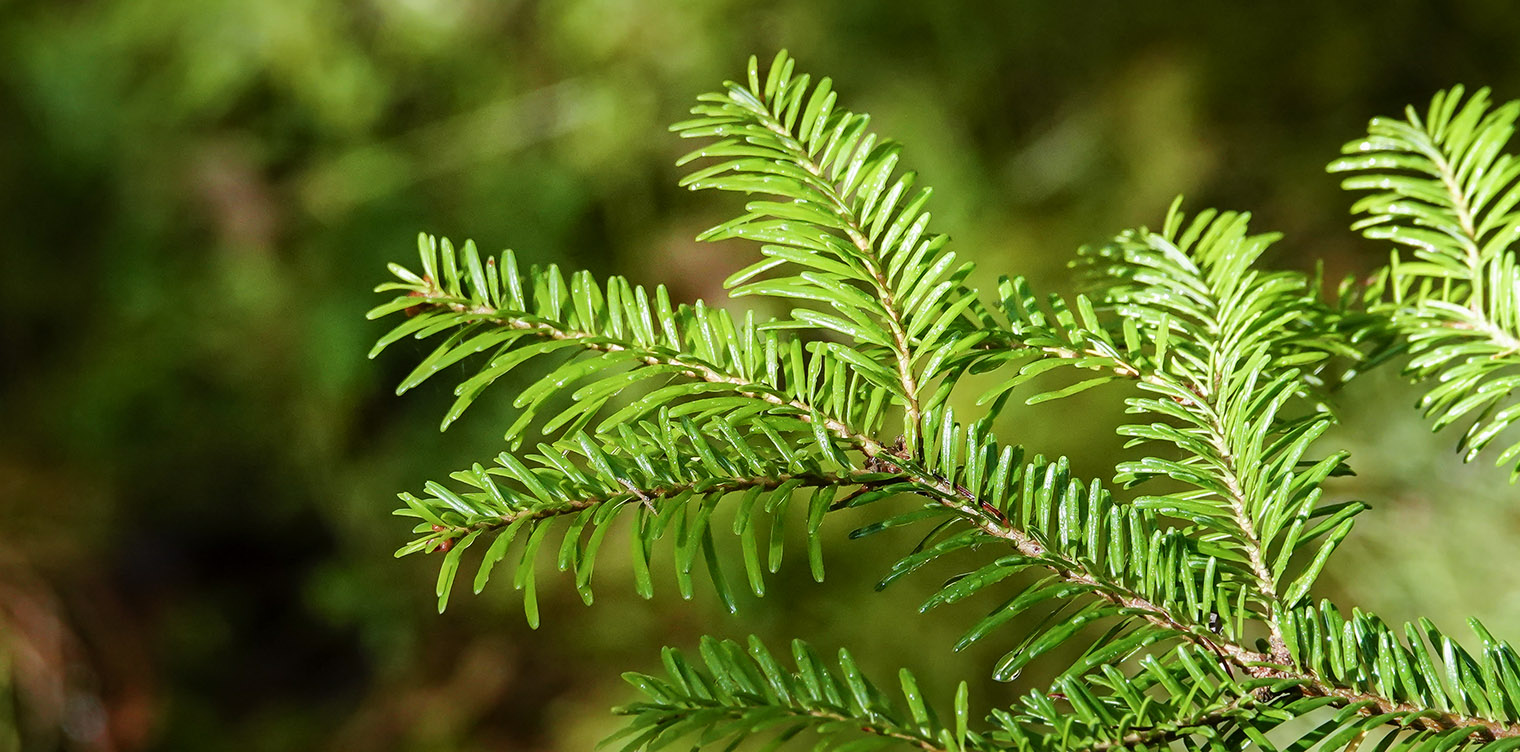
Photo: Adirondack Nature, Google Maps contributor at the Adirondack Mountains.
Environmental Factors and Tree Freshness
Beyond direct watering, several environmental factors influence how much water your tree needs and how long it stays fresh. Christmas trees prefer cool, humid environments. Placing your tree near heat sources like fireplaces, heating vents, or sun-drenched windows will accelerate water loss through transpiration and cause it to dry out more quickly. Consider the microclimate around your tree; it makes a difference.
Humidity and Temperature
A humidifier in the room can help maintain needle moisture, particularly in dry climates or heated homes. Keep the room temperature moderate; cooler temperatures slow down the tree's metabolic processes and reduce water evaporation from its needles. Thinking about these factors when you set up your tree at home complements the watering strategy.
Photo: itsdylanc, Google Maps contributor at Lil' Grandfather Choose and Cut.
When to Start Your Tree Tradition
Timing your tree purchase can also influence its longevity. While many people like to put up their tree right after Thanksgiving, a tree set up too early, even with diligent watering, might struggle to make it through New Year's if stored in particularly warm or dry conditions. If you're planning an extended display, you might want to look at a slower-drinking species like a Fraser Fir, which you can read more about in our tree species guide. Most farms typically open for sales around the last week of November; you can check the specific season calendar for your area.
Pre-Christmas Tree Care
If you cut your tree early and aren't ready to set it up indoors right away, store it in a cool, shaded area like an unheated garage or porch. Keep its trunk submerged in a bucket of water. This temporary storage allows the tree to continue hydrating without being subjected to the drying effects of a warm indoor environment. For those who choose to cut their own, remember our cut-your-own checklist before heading out to the farm; it has great tips for optimal freshness.
Understanding Needle Drop
Even with perfect watering, a real Christmas tree will eventually start to show signs of drying out, usually beginning with an increase in needle drop. This is a natural process as the tree runs out of stored energy and its ability to absorb water diminishes over time. A fresh tree, properly cared for, should hold its needles well for three to four weeks. If your tree is dropping an excessive number of needles soon after setup, it might indicate it wasn't fresh when you got it, or its water supply was interrupted significantly. If you are comparing varieties, learn more through our browse Christmas tree farms by state feature.
Recognizing a Dry Tree
A truly dry tree will have brittle needles that break easily when bent between your fingers, or they'll simply fall off with a light shake. The branches will feel stiff and less pliable. At this point, even heroic watering efforts might not revive it; its vascular system is likely too compromised. It may be time to think about tree recycling options.
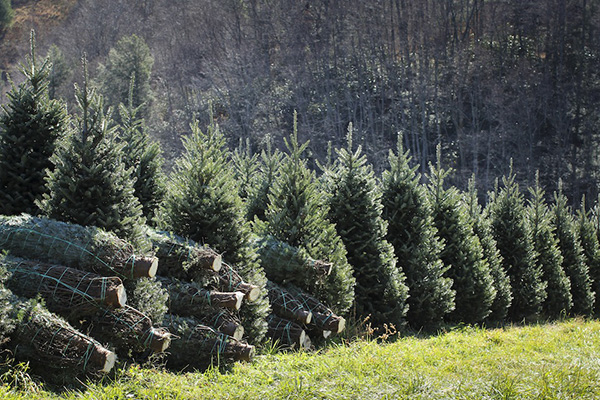
Photo: NC Christmas Tree Association, Google Maps contributor at a North Carolina Fraser fir farm.