How to Water a Cut Christmas Tree: Methods That Really Work
Published November 4, 2026 · By Christmas Tree Farm Finder
Every December, growers watch families haul seven-foot evergreens across frozen fields, tie them onto car roofs, and drive away believing a cup of water once a week will keep the boughs supple. Back in the living room, needles begin dropping within days if the trunk cannot draw moisture; the tree becomes a fire hazard rather than a centerpiece. Keeping an evergreen hydrated requires understanding how wood tissue moves fluid once severed from its roots.
The Biology of Water Uptake in Cut Conifers
A cut tree does not sip water like a rooted plant; it functions through passive capillary tension within the sapwood. Water molecules pull upward through microscopic tubes as dry indoor air draws vapor out through the needle pores. The moment that fluid column breaks, this physical pull ceases; foliage begins to starve for moisture.
Tracheid Cells and Sapwood Transportation
Conifers move water exclusively through microscopic conduits called tracheids clustered inside the outer rings of the trunk. The inner heartwood provides structural strength but cannot absorb fluid; only the living sapwood just beneath the bark transports liquid to branches. If those outer rings dry out, the tree loses its ability to replenish water.
The Threat of Air Embolisms in the Base
When you cut a trunk, air enters the severed tracheid tubes; this suction creates tiny pockets of trapped gas known as embolisms. These bubbles block liquid, much like an air pocket inside a drinking straw halts flow. Submerging the base in water quickly dissolves these small blockages before permanent air locks develop.
Resin Production as an Impermeable Barrier
Pitch is the conifer's natural defense against mechanical wounds and pests. Specialized resin canals rupture during harvesting, oozing sticky fluid over the cut face; this pitch hardens into an impermeable barrier within hours. Once that seal forms across the wood grain, standing water cannot penetrate the trunk.
The Fresh Cut Protocol on the Farm and at Home
Taking a fresh slice off the stump is the critical step on our cut-your-own checklist. If more than four hours elapse between harvest and watering, you must make a new cut; resin will have already started sealing the vessels. A fresh cut reopens the vascular system, ensuring unobstructed capillary flow into the crown.
Measuring the Right Slice Thickness
You only need to remove a half-inch wood disc to expose active tissue. Slicing away several inches wastes vertical height and achieves nothing extra, because pitch does not travel deeply up the grain. A standard handsaw creates a clean cut; chainsaws occasionally throw chain oil across the wood face, hindering absorption.
Avoiding Angles, Bevels and Bark Whittling
Always cut the base perpendicular to the trunk rather than slicing it on a slant. An angled cut destabilizes the tree inside the stand and exposes sapwood whenever water levels dip. Never whittle down the bark to squeeze a trunk into a small stand; removing that outer layer strips away the primary sapwood that transports water.
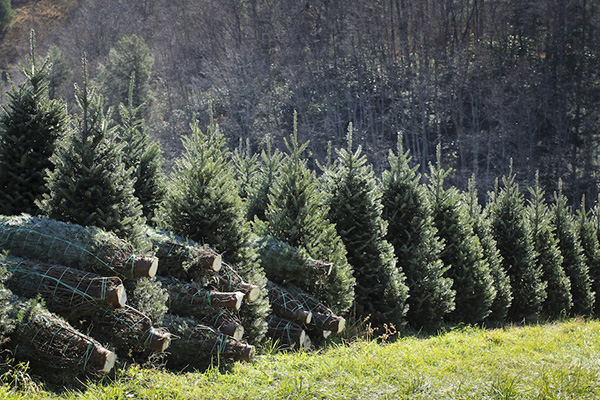
Photo: NC Christmas Tree Association, Google Maps contributor at a North Carolina Fraser fir farm.
Immediate Hydration Demands in the First Forty-Eight Hours
Fresh evergreens drink voraciously during their first two days inside a heated home. A seven-foot tree often pulls a gallon of water in twenty-four hours; it acts like a sponge reaching equilibrium with dry air. Checking the basin morning, afternoon and night during this initial window prevents the bottom of the trunk from running dry.
Water Volume Guidelines by Trunk Diameter
As outlined in our tree species guide, the standard guideline requires one quart of water per inch of stem diameter daily. A four-inch trunk requires at least one gallon of liquid daily, though five-quart stands offer a safer margin against sudden evaporation. Small stands with half-gallon cups dry out while you sleep.
Preventing Overnight Reservoir Depletion
If the water line slips below the cut face for thirty minutes, drying air triggers immediate sap release. The base seals itself; capillary tension breaks, and subsequent refills simply pool around an impermeable wooden plug. Keeping the basin filled high prevents this failure without requiring siphon gadgets or float valves.
Water Additives Versus Plain Tap Water
Folklore suggests adding sugar, crushed aspirin, corn syrup or commercial floral packets to the reservoir. Farm operators hear these concoctions every winter; almost all of them produce adverse side effects that degrade hydration. Clean tap water remains the benchmark because conifer physiology has no use for chemical tonics.
Why Sugar and Soda Breed Destructive Bacteria
Adding sugar, soda or molasses turns your tree basin into a fermentation tank for bacteria and mold. Microbial colonies multiply rapidly in warm room water; they form a viscous slime that covers tracheid openings within days. This bacterial biofilm chokes off water absorption far faster than plain water ever would.
Bleach and Chemical Shocks Damage Conifer Cells
Some homeowners pour household bleach into the stand to kill bacteria; this harsh chemical damages tender sapwood cells. Aspirin lowers water acidity, but it offers zero measurable benefit to needle retention. Pouring chemical mixtures into the stand also creates poisoning risks for pets who drink from the basin.
Research Trials Confirm Tap Water Superiority
Rigorous trials conducted by university horticulturists and verified by the National Christmas Tree Association prove that plain tap water outperforms every tested additive. Mineral content in municipal water poses no danger to severed evergreens; soft water and hard water both perform well. Tap water leaves vascular channels clear of bacterial sludge, chemical burns and sticky residue.
Water Temperature Myths and Realities
Traditional lore insists that scalding water dissolves dried sap and kickstarts uptake in stubborn trees. Research reveals that boiling water damages the cellular structure of cut wood; lukewarm tap water is more than sufficient. Cold water works fine too, but lukewarm water absorbs marginally faster during the initial setup pour.
Hot Water Fails to Dissolve Hardened Pitch
Conifer pitch contains complex terpenes that resist breakdown in hot water; kettle temperatures will not reopen a sealed cut. Only mechanical removal with a sharp saw clears wood pores that have glazed over. Pouring boiling water into a stand also risks warping plastic fittings, loosening bolts and scorching your flooring.

Photo: Brookdale Fruit Farm Inc., Google Maps contributor at Brookdale Fruit Farm.
Environmental Factors Inside the Home
A tree in an arid living room can transpire moisture twice as fast as the same tree in a humid room. The humidity of winter indoor air often matches desert conditions once central heating units run continuous cycles. You can ease the strain on the cut base by managing the atmosphere directly around the foliage.
Furnace Vents and Radiator Heat
Positioning an evergreen directly above a floor register dries foliage within forty-eight hours. Forced warm air strips the thin boundary layer of moisture surrounding needles; the severed trunk cannot drink fast enough to balance the loss. Close registers nearest the tree, or use a deflector to channel blowing air elsewhere.
Humidifiers as Secondary Support Systems
Running an ultrasonic room humidifier nearby slows needle transpiration significantly. Higher humidity narrows the vapor pressure deficit between the needle interior and surrounding room air; overall moisture retention improves noticeably. A standard humidifier keeps branches pliable, aromatic and soft throughout the holiday weeks.
Species Differences in Hydration Retention
Different evergreen species manage internal moisture reserves with distinct anatomical traits; you can browse Christmas tree farms by state to see what varieties grow in your region. Some species hold foliage for six weeks even under poor conditions; others drop needles the moment the basin runs dry. Knowing these tendencies helps you establish an accurate watering routine.
Fir Varieties and Needle Persistence
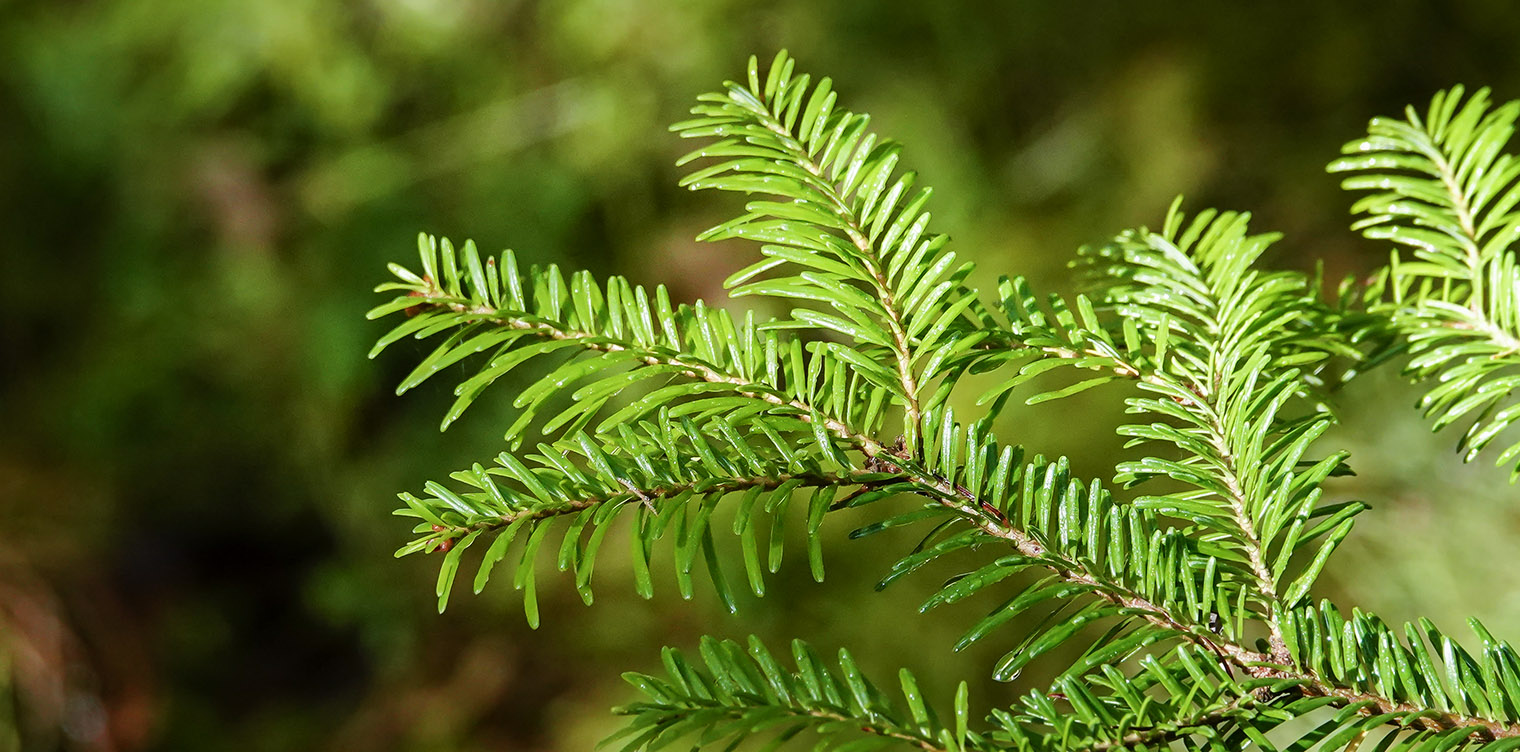
Fraser firs and balsam firs possess stomata that seal tightly during dry spells, locking moisture inside the needles. As documented on our farm season calendar, firs retain color and branch flexibility even when harvested early in autumn. They drink steadily throughout December, rarely shedding needles without prolonged neglect.
Pine and Spruce Moisture Thirst
White pines drink moderate amounts of water, but Norway spruces require constant monitoring to prevent sudden needle drop. A Norway spruce running out of water for an afternoon can lose its coat within days; it demands a dedicated caretaker. Scotch pine handles dry spells better, though its needles become brittle when water runs low.
Freshness at Harvest Dictates Living Room Success
No amount of clean water will revive an evergreen cut three weeks before reaching a retail parking lot. Finding reputable local growers through Farms Near Me ensures your tree comes directly out of the soil with intact hydration reserves. A tree cut fresh on harvest day possesses supple branches, aromatic resin and clear tracheids prepared to drink.
Troubleshooting a Stand That Stays Full
When a tree stand stays completely full for three consecutive days, the tree has stopped drinking; the cut face has sealed. If taking the tree down to make a new saw cut is impossible, drill several small holes into the base beneath the waterline with a clean bit. Puncturing the outer sapwood bypasses the resin seal without destabilizing your stand bolts, restoring partial fluid uptake.
Post-Holiday Biomass Value and Tree Recycling
When the season concludes, a properly hydrated evergreen remains pliable enough to carry outside without dumping dead needles across your carpet. Read our guide to tree recycling to find local drop-off centers, municipal chipping programs and fish habitat initiatives. Chipped evergreens create aromatic garden mulch, and sunken branches provide shelter for lake fisheries through the winter months.
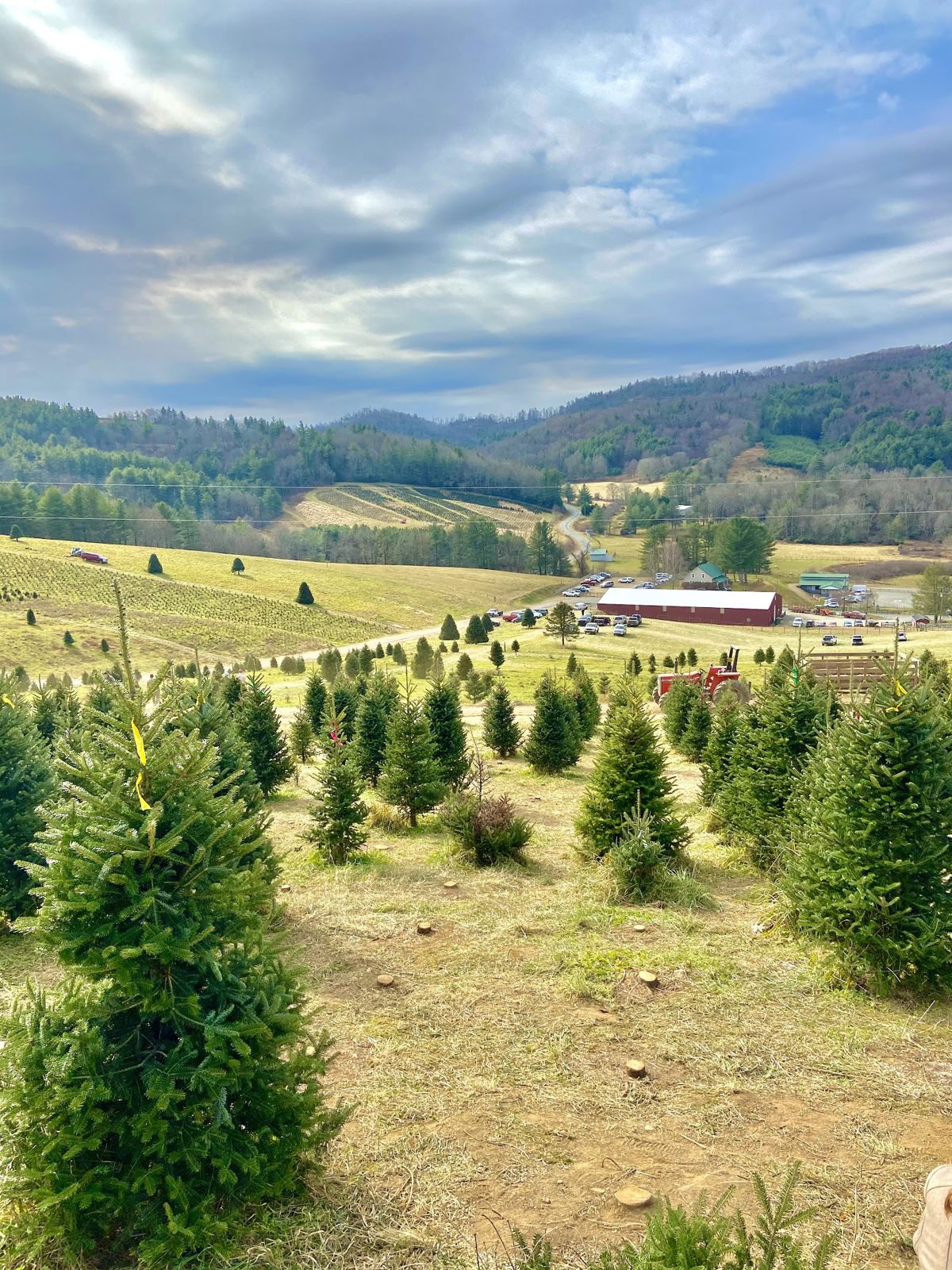
Photo: itsdylanc, Google Maps contributor at Lil' Grandfather Choose and Cut.