Effective Watering Strategies for Your Cut Christmas Tree
Published September 16, 2026 · By Christmas Tree Farm Finder
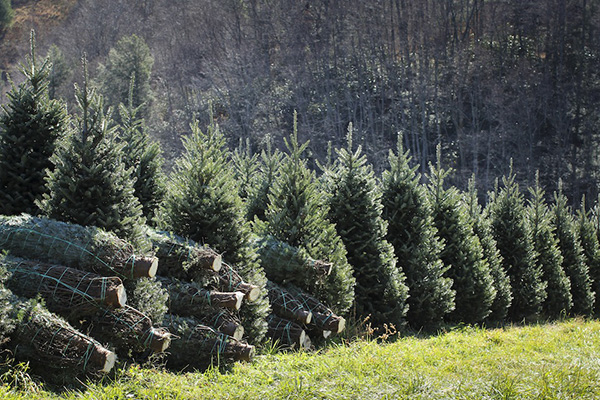
Bringing a fresh-cut Christmas tree home is a highlight of the holiday season for many; the scent of pine or fir instantly transforms a house into a festive wonderland. That journey from the frosty field to your living room is just the beginning; keeping that natural beauty vibrant throughout December requires a bit of know-how. Watering a cut tree isn't just about pouring water into the stand; it’s a crucial practice rooted in understanding tree physiology, ensuring your centerpiece remains fresh, safe, and fragrant.
The Science of Water Uptake in Cut Trees
A Christmas tree, even after being cut, is still a living organism trying to survive; its cells are actively absorbing water to maintain turgor pressure and prevent needle drop. The moment a tree is severed from its roots, a natural defense mechanism kicks in, often sealing off the bottom of the trunk with sap. This resinous barrier can prevent water absorption if not properly addressed; it is why the initial preparation of your tree is so critical. Think of it like a freshly picked flower; its stem needs to be cut under water to prevent air bubbles from blocking absorption.
Why Trees Need Water
Water is the lifeblood of a cut Christmas tree; it keeps the needles supple, green, and fragrant. Without sufficient hydration, a tree begins to dry out, leading to brittle needles, a dull appearance, and a significant increase in fire risk. A well-hydrated tree will hold its needles longer and emit that quintessential Christmas aroma more effectively. It’s not just about aesthetics; it’s about maintaining the tree’s structural integrity and minimizing household mess.
The Essential First Cut
The most vital step for proper water absorption occurs before your tree even enters the house; a fresh cut on the trunk base is non-negotiable. When you pick up your tree, whether from a local lot or after you cut-your-own checklist and harvest it yourself, the cut end of the trunk has likely been exposed to air for some time, allowing sap to crystallize and block the vascular tissue. A new cut re-opens these capillaries, enabling the tree to drink freely.
How to Make a Fresh Cut
For optimal results, use a sharp saw to remove a 1/2 to 1-inch thick disk from the bottom of the trunk. This cut should be made straight across, not at an angle; an angled cut reduces the surface area available to sit in water and can make the tree less stable in the stand. Make this cut no more than 30 minutes before placing the tree in its stand with water; the sooner it gets water, the better its initial uptake will be. If you're purchasing from a retail lot, most will offer to make this fresh cut for you; always accept.
Selecting the Right Tree Stand
The efficacy of your watering efforts relies heavily on the stand you choose; it needs to be robust enough to hold the tree upright and, more importantly, capacious enough to hold a significant volume of water. Small, decorative stands often prioritize appearance over function, leaving your tree parched. A good stand will have a wide, stable base and a reservoir that can hold at least one gallon of water for every inch of trunk diameter.
Stand Capacity Matters
Undersized water reservoirs are a common pitfall; a freshly cut tree, especially during its first few days indoors, can drink an astonishing amount of water. A stand that can only hold a pint or two will quickly run dry, potentially allowing the fresh cut to re-seal. Look for stands specifically designed for live Christmas trees; they usually boast larger capacities and sturdy bolts to secure the trunk.
The Immediate Hydration Imperative
Once the fresh cut is made and the tree is in its stand, do not delay filling the reservoir with water; this is a critical window of opportunity. The tree’s vascular system is primed to absorb moisture, and immediate immersion will capitalize on this. A common mistake is setting up the tree and then going off to do other holiday preparations before remembering to water it.
What Kind of Water to Use
Plain tap water is perfectly sufficient for your Christmas tree; there's no need for special additives, sugar, or aspirin. While some old wives' tales suggest these enhance water uptake, scientific evidence consistently shows plain, cool tap water is all that's required. The focus should be on the volume and consistency of the watering, not the composition of the water itself.
Consistent Daily Monitoring
Watering isn't a one-and-done task; it's a daily commitment throughout the season. Check the water level in your stand every single day, without fail. A tree can consume several quarts of water daily, especially during its initial days indoors. Allowing the water level to drop below the base of the trunk, even for a few hours, can allow the sap to re-seal the cut, effectively stopping water absorption.
The Importance of a Full Reservoir
Always ensure the water reservoir is completely full; don't just top it off. A full reservoir provides a buffer against rapid consumption and ensures the tree has continuous access to hydration. You might be surprised how quickly the water disappears, particularly if your home is warm and dry. Setting a daily reminder can be a simple but effective strategy.
Environmental Factors Affecting Water Needs
The environment surrounding your tree significantly impacts its water consumption. A warm, dry room will cause a tree to transpire more quickly, leading to greater water demand. Conversely, a cooler, more humid environment will reduce the rate of water loss. Consider the placement of your tree carefully.
Optimal Tree Placement
Avoid placing your Christmas tree near heat sources such as radiators, fireplaces, or direct sunlight from a window. These locations accelerate drying and increase the tree’s water requirements. A cooler spot in the room, away from direct drafts or vents, will help preserve its freshness. If you're looking for different tree types or growing conditions, you can browse Christmas tree farms by state to see regional variations.
Addressing Dried-Out Trees
Sometimes, despite best efforts, a tree might start to dry out; its needles feel brittle, and it's shedding noticeably. If you suspect your tree has stopped drinking, it’s often because the cut has re-sealed. The only effective remedy is to remove the tree from the stand, make another fresh cut on the trunk base, and immediately return it to a full stand of water. This is a last-ditch effort, but it can sometimes revive a struggling tree.
Recognizing a Re-Sealed Trunk
You can often tell if a trunk has re-sealed by looking at the cut end; it might appear dry, discolored, or covered in a sticky, hardened sap. If you lightly scrape it with your fingernail and it feels hard or waxy, it's likely re-sealed. The goal is always to keep that freshly cut, porous wood exposed to water. For guidance on when different types of trees might be available, consult our season calendar.
Common Myths and Misconceptions
There are numerous myths surrounding Christmas tree care, many of which can actually be detrimental to your tree's health. Understanding what doesn't work is as important as knowing what does. Ignore advice that complicates the simple process of providing clean, consistent water.
Debunking Additives and Preservatives
As mentioned, additives like sugar, bleach, aspirin, or commercial tree "preservatives" are generally ineffective. Studies, such as those conducted by the National Christmas Tree Association, consistently show that plain water is superior. Some additives might even encourage mold growth or block water uptake. Simplicity is key when it comes to tree hydration.
Photo: Michael, Google Maps contributor at Brookdale Fruit Farm.
The Long-Term Benefits of Proper Watering
A properly watered Christmas tree provides a safer, more enjoyable holiday experience. It retains its vibrant color, its fresh aroma, and significantly reduces the risk of fire. A well-hydrated tree is also less likely to shed its needles prematurely, meaning less mess to clean up and a beautiful centerpiece that lasts throughout the holiday season.
Minimizing Fire Hazards
A dry Christmas tree is a serious fire hazard; its needles and branches become highly flammable, capable of igniting in mere seconds. Consistent watering keeps the tree hydrated, making it much more resistant to ignition. This is arguably the most important reason to maintain diligent watering practices; it protects your home and your family.
Photo: itsdylanc, Google Maps contributor at Lil' Grandfather Choose and Cut.
When to Retire Your Tree
Even with meticulous watering, all good things must come to an end. Once your tree begins to show significant signs of drying, such as excessive needle drop, brittle branches, or a dull appearance, it's time to safely remove it from your home. The longer a dry tree stays indoors, the greater the fire risk. Many communities offer options for tree recycling after the holidays, turning your tree into mulch or compost. This ensures its final contribution is an ecological one.
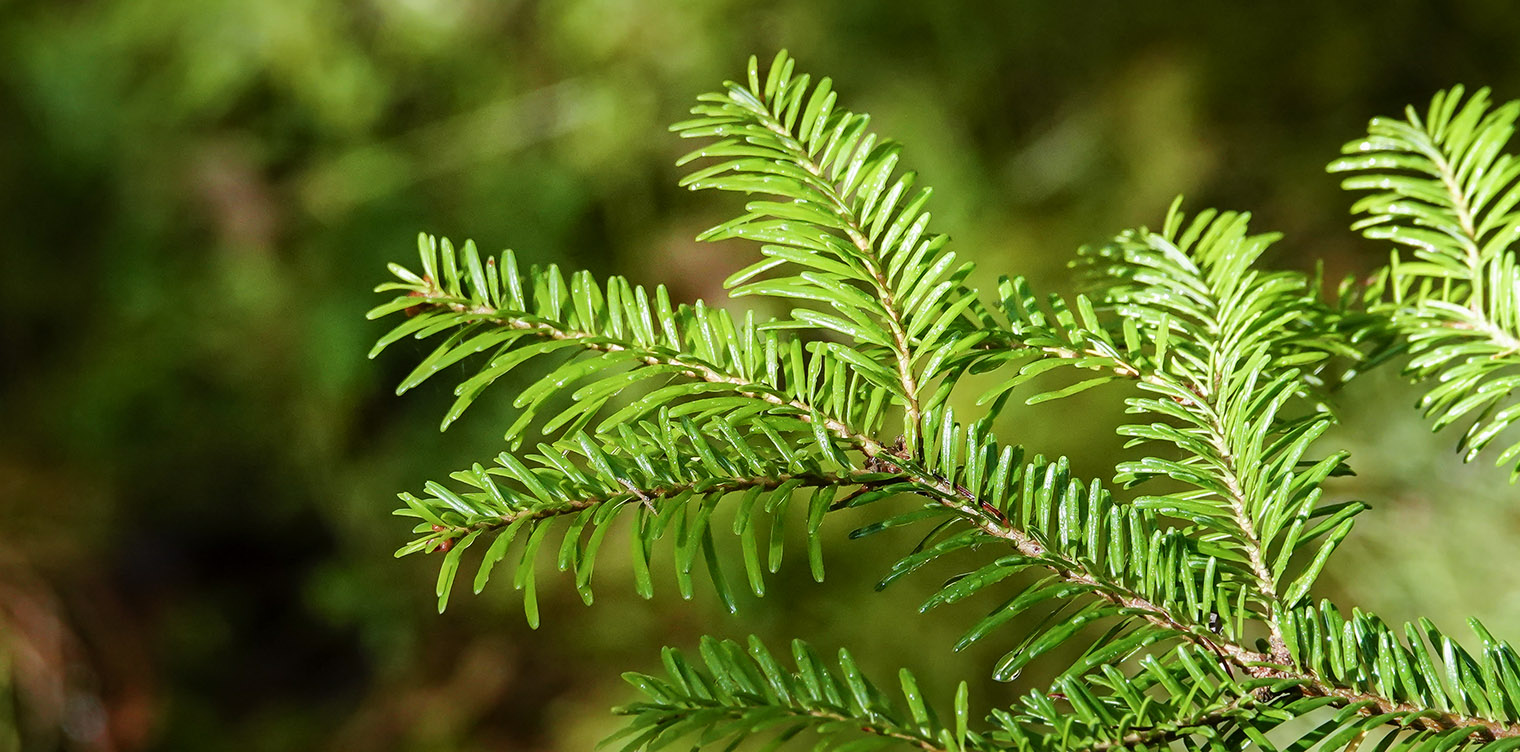
Photo: Adirondack Nature, Google Maps contributor at the Adirondack Mountains.
Properly Watering Your Cut Christmas Tree Isn't a
Properly watering your cut Christmas tree isn't a complex task, but it demands consistency and attention to detail. By providing a fresh cut, a generous water supply, and a thoughtful environment, you can ensure your real Christmas tree remains a beautiful, fragrant, and safe centerpiece for your holiday celebrations.