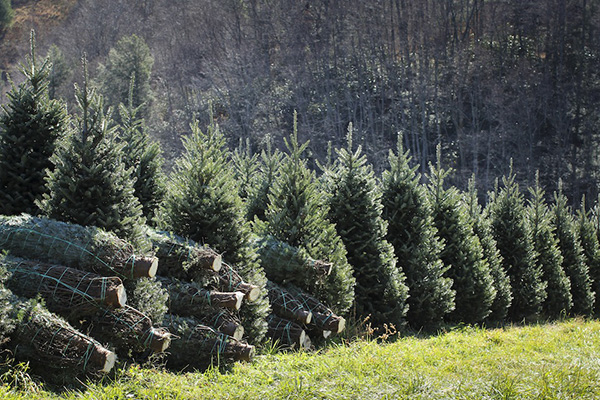
Weather's Impact on a Christmas Tree Farm's Opening Weekend
Published September 14, 2026 · By Christmas Tree Farm Finder
The crisp air of late November, often tinged with the promise of winter, traditionally heralds the opening of Christmas tree farms; it is a time when families eagerly venture out to find their perfect tree. Yet, this idyllic scene, so cherished and anticipated, is profoundly shaped by one unpredictable force: the weather. From the moment the gates open until the last tree is tied down, every aspect of the opening weekend, a critical period for any farm, dances to the tune of Mother Nature's unpredictable whims.
The Grower's Perpetual Forecast Watch
Long before the first customer arrives, the Christmas tree farmer is already a seasoned meteorologist, constantly checking forecasts. Weeks, even months, in advance, they monitor long-range predictions; it helps them anticipate potential challenges for the harvest and the crucial first sales days. This isn't just about curiosity; it's about making tangible operational decisions.
Inventory Management in Anticipation of Weather
A farmer's inventory management often hinges on the expected weather. If a warm, dry fall is forecast, they might accelerate some early harvesting of choose-and-cut fields, anticipating softer ground later or simply to get ahead of the rush. Conversely, a predicted deep freeze or heavy snow can halt harvesting, requiring the farm to re-evaluate which sections are accessible and ready for sale. These decisions directly affect the selection available to customers on opening day.
Staffing Decisions Driven by Weather Predictions
Staffing levels are another crucial consideration heavily influenced by the weather outlook. A sunny, mild opening weekend generally means a massive influx of visitors, requiring extra field staff, cashiers, and parking attendants. A forecast for bitter cold or a driving rain, however, might lead to reduced staffing, as fewer families are expected to brave the elements for their tree hunt. This balancing act is vital for both customer service and operational efficiency.
How Temperature Shapes the Experience
Temperature plays a monumental role in defining the customer's experience and the farm's operations. It dictates everything from comfort to safety; it can make or break the festive atmosphere.
The Charm of a Chilly, Sunny Day
The ideal scenario for any Christmas tree farm opening weekend is a crisp, sunny day with temperatures comfortably in the 30s or low 40s Fahrenheit. This weather encourages families to spend ample time in the fields, enjoying the fresh air and the hunt for the perfect tree. It's cool enough to feel festive; it's warm enough to avoid discomfort. Such conditions often lead to higher sales and a more memorable experience for visitors.
The Challenge of Bitter Cold
When temperatures plummet into the teens or single digits, the festive spirit can quickly wane. Customers tend to rush their tree selection, focusing more on getting back to their warm cars than on the joy of the outing. This can lead to decreased sales of ancillary items like wreaths, garlands, or hot cocoa, as people prioritize warmth. Farms must then prioritize safety, ensuring paths are clear of ice and offering warm spaces for staff and customers.
Safeguarding Equipment in the Cold
Extreme cold also poses significant challenges for farm equipment. Tractors might be harder to start; saws could struggle with frozen sap. Ensuring equipment is properly maintained and winterized becomes paramount, adding another layer of complexity to farm operations. Staff also needs to be mindful of cold-weather hazards while handling machinery.
The Impact of Unseasonably Warm Weather
Surprisingly, unseasonably warm weather, say in the 50s or 60s, can also be detrimental. While it sounds pleasant, it can diminish the "winter wonderland" feel that many families seek. The lack of cold air makes the experience feel less traditional; it might even deter some who wait for colder, more festive conditions. Warm weather can also impact the freshness of cut trees if not stored properly; they need to stay cool to maximize their lifespan.
Precipitation's Pervasive Influence
Whether it's rain, snow, or ice, precipitation can dramatically alter the landscape and the logistics of a Christmas tree farm's opening weekend. Each type presents its own set of challenges and opportunities.
The Joy and Peril of Early Snow
A light dusting of fresh snow on opening weekend is often a farmer's dream, creating that quintessential holiday postcard scene. It enhances the magical atmosphere; it certainly draws people in. This can lead to a significant boost in visitors, all eager to capture that perfect snowy photo with their chosen tree. However, too much snow can quickly turn magical into perilous.
Navigating Heavy Snowfall
Heavy snowfall can effectively shut down a farm. Roads become impassable; fields are buried, making it impossible to find or cut trees. Farmers then face the monumental task of snow removal, often using specialized equipment to clear paths and parking areas. Even with clearance, the sheer effort required to trudge through deep snow can deter many families, resulting in a drastically reduced customer count. The timing of the snow is crucial; a blizzard on Friday night can spell disaster for Saturday's opening.
Photo: Cheryl Miller, Google Maps contributor at McCurdy's Tree Farm and Landscaping.
The Drudgery of Driving Rain
Perhaps the most universally dreaded weather condition for a tree farm opening is cold, heavy rain. It dampens spirits, turns fields into muddy quagmires, and makes the entire experience uncomfortable. Customers tend to rush, if they even show up, and the farm becomes a muddy, wet operation. This type of weather almost invariably leads to a significant drop in foot traffic and sales.
Managing Muddy Conditions
When rain turns the fields to mud, farmers must adapt. Extra hay or wood chips might be spread on high-traffic paths; four-wheel-drive vehicles become essential for transporting trees. The mud also creates a major cleanup challenge, both for the farm and for customers' cars. Staff also face discomfort; they must spend the day working in the elements. This is where a good pair of waterproof boots and gear are non-negotiable for anyone venturing out. If you're planning a visit during questionable weather, always remember to check the farm's website or social media for current conditions; a quick call can save a wasted trip. For a comprehensive list of what to bring, check our cut-your-own checklist.
The Insidious Threat of Ice
Ice is arguably the most dangerous form of precipitation for a Christmas tree farm. Freezing rain or refreezing meltwater can turn parking lots and paths into treacherous滑冰場s, posing a serious fall risk for both customers and staff. Trees themselves can become encased in ice, making them difficult to handle and potentially damaging their branches. Farms must act quickly to salt and sand surfaces, sometimes even closing for safety reasons.
Wind's Unseen Influence
While often overlooked, wind can have a surprisingly significant impact on a Christmas tree farm's opening weekend, affecting both comfort and operations.
Wind Chill and Customer Comfort
Even on a moderately cold day, a strong wind can drop the perceived temperature dramatically, creating a biting wind chill that makes standing in the fields unbearable. This, much like bitter cold, pushes customers to rush their selection or simply not visit at all. Farmers must be mindful of windbreaks, perhaps directing customers to more sheltered sections of the farm on exceptionally windy days.
Operational Challenges from Strong Winds
Strong winds also present operational hurdles. Freshly cut trees, especially larger ones, can be difficult to handle and secure on vehicles; they act like sails. Tents for warming stations or sales booths can be damaged or blown away. Even the simple act of tying a tree to a car can become a wrestling match in gusty conditions, adding stress to the end of the customer experience.
Long-Term Weather Patterns and Tree Health
Beyond the immediate impact on opening weekend, broader weather patterns throughout the year significantly influence the health and appearance of the trees themselves. A drought in summer or an unusually wet spring can affect tree growth, color, and density, all of which impact customer satisfaction when they browse Christmas tree farms by state.
Drought's Lingering Effects
A severe drought during the growing season can stunt tree growth, lead to needle drop, and even cause some trees to die. These effects might not be immediately apparent until harvest season, potentially reducing the number of healthy, marketable trees available. Farmers often rely on irrigation during dry spells to mitigate these risks; it's a constant battle against the elements.
The Impact of Excessive Rain
Conversely, too much rain can also be problematic. Waterlogged soil can lead to root rot, especially in certain tree species. It can also make fields impassable for planting and maintenance equipment, hindering necessary care throughout the year. Understanding the specific needs of different tree species guide can help farmers choose varieties more resilient to local weather extremes.
Adapting and Planning for the Unpredictable
Farmers, by necessity, become masters of adaptation. They invest in weather-resistant infrastructure; they implement contingency plans for adverse conditions. This resilience is what keeps the tradition alive, year after year.
Infrastructure for All Seasons
Many modern Christmas tree farms invest in robust, permanent structures for their sales areas, often including heated barns or large, sturdy tents that can withstand wind and rain. Gravel paths help mitigate mud; strategically planted windbreaks offer some shelter in exposed fields. These investments are crucial for ensuring a consistent experience regardless of the weather. Check our season calendar to see typical opening dates, but always verify with individual farms.
Communication is Key
Effective communication is paramount when weather turns foul. Farmers frequently update their websites, social media pages, and phone messages with current conditions, potential delays, or even closures. This allows customers to make informed decisions; it prevents frustration. Good communication fosters goodwill, even when nature is uncooperative. The National Christmas Tree Association provides excellent resources for farmers on best practices, including customer communication during challenging weather.
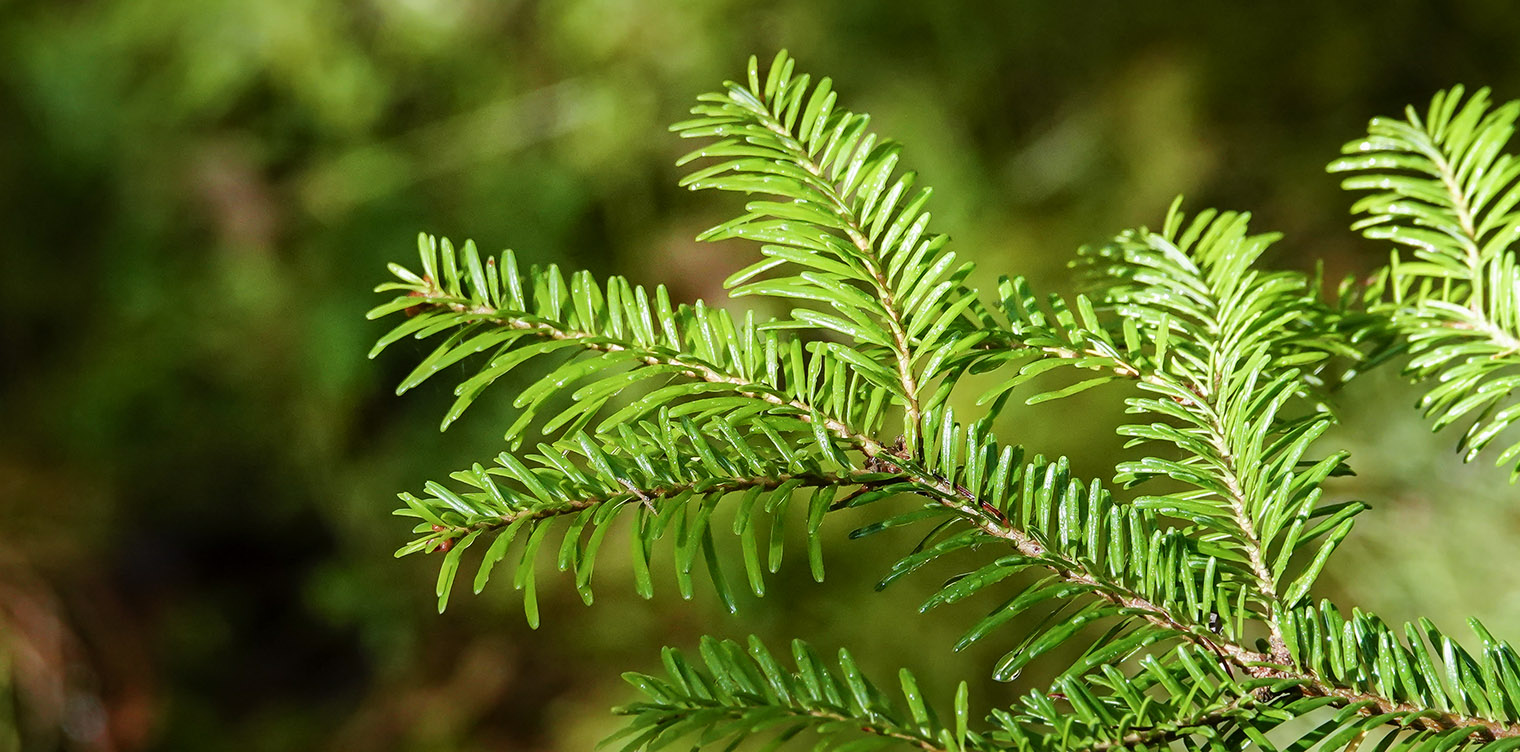
Photo: Adirondack Nature, Google Maps contributor at the Adirondack Mountains.
The Enduring Spirit of the Hunt
Despite all the challenges weather presents, there's an undeniable magic to the Christmas tree hunt that persists. Families still venture out, sometimes bundling up extra tight or donning rain gear, determined to find that perfect symbol of the season. Farmers, in turn, put in countless hours, battling the elements, to provide that cherished experience. The weather may dictate the comfort, but it rarely extinguishes the spirit of the Christmas tree farm's opening weekend.
Photo: itsdylanc, Google Maps contributor at Lil' Grandfather Choose and Cut.