How Changing Weather Alters Christmas Tree Farm Openings
Published October 30, 2026 · By Christmas Tree Farm Finder
The Friday after Thanksgiving arrives with diesel exhaust cutting through freezing air; growers know that months of pruning, shearing and weed control face an unpredictable test. Opening weekend sets the financial cadence for the entire holiday run, yet the sky dictates whether families linger for hot cider or sprint toward heated cabs with wet branches tied hastily to luggage racks. A farm can prepare acres of parking and sharpen hundreds of handsaws, but an unexpected shift in barometric pressure will rewrite operational plans before dawn.
The Reality of November Forecasts
Growers spend the week before Thanksgiving obsessing over regional radar loops and soil temperatures. Weather apps frequently present conflicting models, yet seasoned operators look to local ridge lines and wind vanes to anticipate morning frost; a sudden drop of five degrees changes how sap behaves within evergreen veins. Checking the season calendar gives families a broad window of operation, but the weather on day one establishes the real pace of the harvest.
Rain on the Opening Friday
Steady drizzle turns packed field roads into slick grease before the first car reaches the gate. Families who imagined a sunlit stroll through the pines find themselves stepping over swollen puddles and dodging saturated limbs. Rain does not cancel the day, but it forces staff to abandon open hand carts; crews must pivot instantly to protect dry inventory in the staging barn.
The Physics of Soggy Needles
A sodden branch carries remarkable water weight that alters the balance of a freshly felled conifer. Mechanical tree shakers struggle against drenched foliage; the machine must vibrate longer to throw off debris, which backs up the line at the processing barn. When needles hold surface moisture, plastic baling twine tends to slip, requiring workers to double their knots to keep bundles intact for highway travel.
Drying Out Balled Trees and Wreaths
Living trees with burlap root balls absorb rain rapidly, creating dense masses that defy easy lifting. Wreath sheds face an immediate storage crisis when finished pine rings gather dampness; wet greenery sealed into plastic sleeves will mold before Sunday afternoon. Staff must space the wreaths along open wooden racks under overhead fans, sacrificing valuable floor space while maintaining steady air circulation.
The Grip of Early Frost and Hard Freezes
When arctic air sweeps south before opening day, the landscape hardens into iron underfoot. Frost seals the morning grass in white crystals that crunch beneath work boots; tractors cough white plumes into clear skies before engine blocks reach working temperature. The cold keeps foot paths solid, but it transforms flexible branches into rigid timber that resists bending.
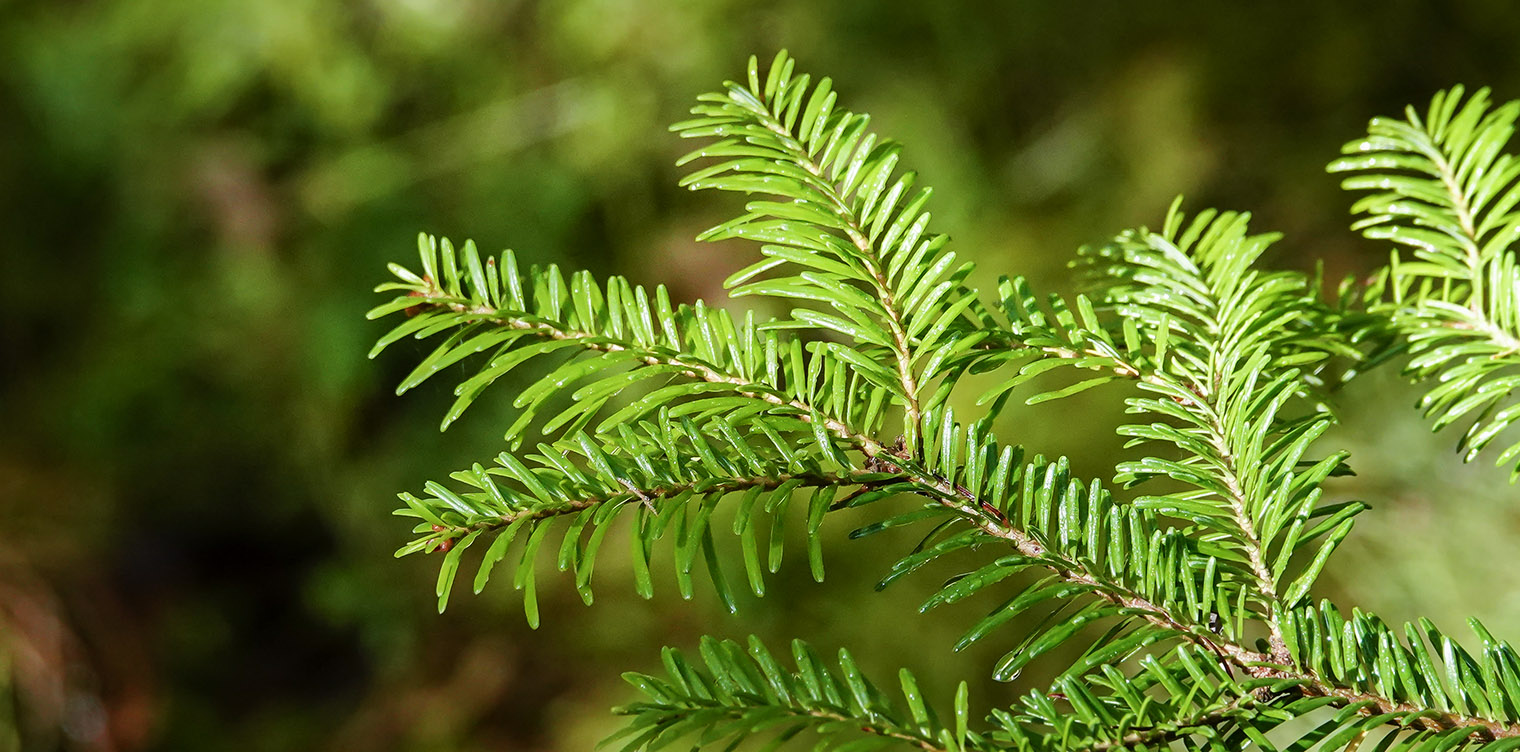
Photo: Adirondack Nature, Google Maps contributor at the Adirondack Mountains.
Brittle Branches Under Early Cold Snaps
Subfreezing temperatures lock water inside plant tissue, making fir limbs susceptible to sudden fractures. A saw blade snagging against cold bark can snap an exterior limb that took six growing seasons to shape. Growers who consult their tree species guide know that certain varieties, particularly Scotch pine and blue spruce, surrender their flexibility faster than Fraser or balsam fir when frost lingers past noon.
Shaking and Netting Frozen Evergreens
Running a frozen evergreen through a steel baler horn requires careful hands and constant attention. If operators yank the trunk too violently through the cone, rigid boughs can shear clean off the stem; the tree loses its symmetrical conical shape in a split second. Wise farm hands warm the nylon netting cartridges inside the sales shed so the mesh expands smoothly over stiff branch tips.
Windstorms and Twine Snapping on Field Roads
Gale warnings along exposed ridges turn an easy afternoon into an exhausting logistical battle. Open fields offer zero friction against crossing winds, which can rip directional signs out of post holes and flip empty wooden transport trailers. Gusts chill visitors rapidly, driving them toward indoor register lines before they even reach the western harvest blocks.
Canopy Sway and Fallen Timber Across Lanes
Heavy gusts place immense torque on tall field specimens left behind from previous planting cycles. Wind can topple dead border timber across access lanes; crews must keep chainsaws fueled in the maintenance truck to clear routes between customer wagons. Field scouts patrol perimeter fences to ensure no dry oak limbs dangle over paths where children wander.
Tie-Down Inspections for Highway Travel
Crosswinds on rural highways expose poorly secured trees within miles of the farm exit. Farm employees stationed at the exit gate must verify roof racks personally; frayed cotton cord snaps when gusts catch broad branches at highway speeds. A thorough cut-your-own checklist reminds customers to bring heavy ratchet straps, which save vehicle paint and prevent dangerous road debris.
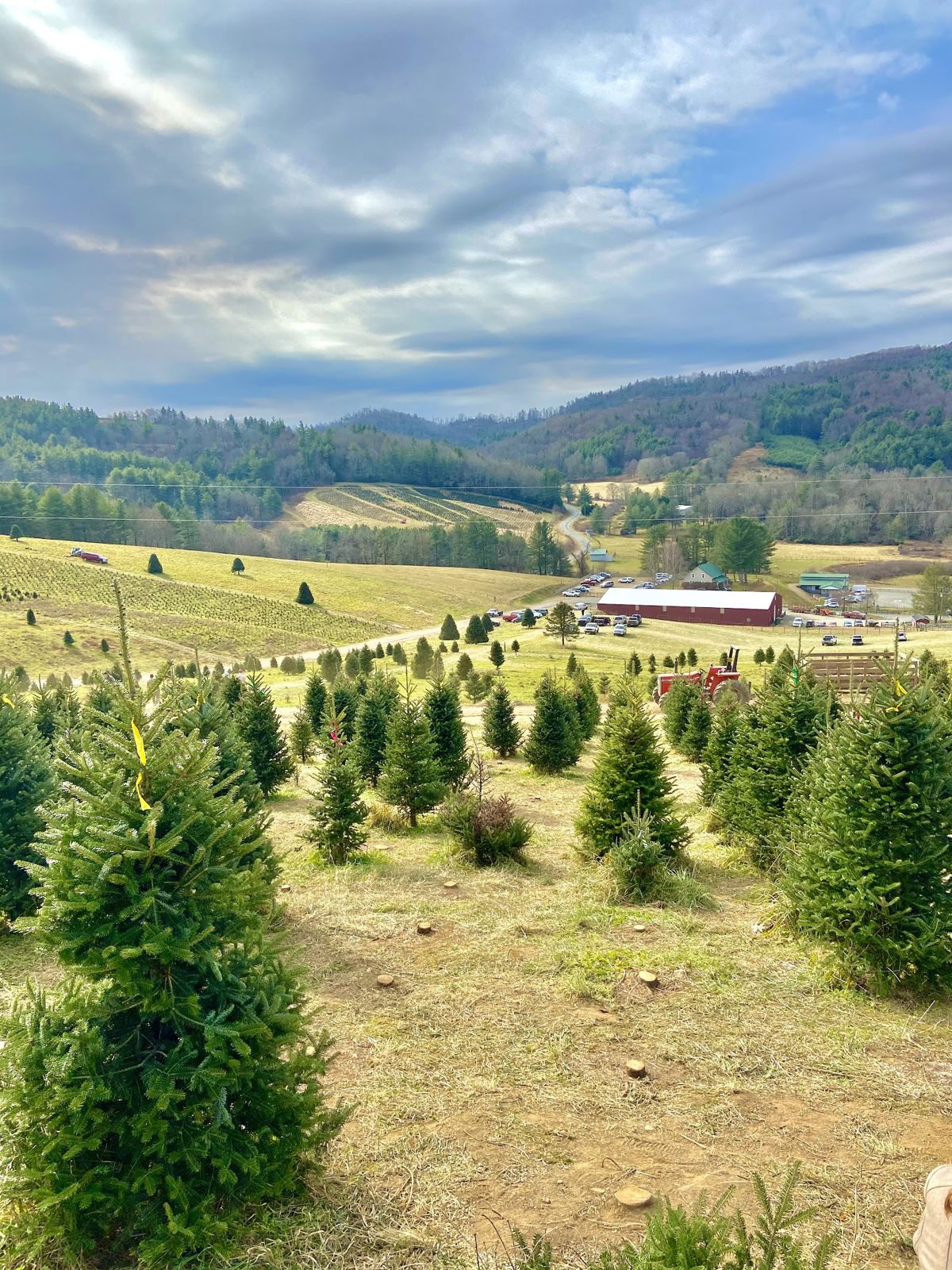
Photo: itsdylanc, Google Maps contributor at Lil' Grandfather Choose and Cut.
Mud Across the Parking Pasture
Nothing tests farm infrastructure quite like five hundred family vehicles parking on unpaved pasture after rain. Turf shears off under spinning radial tires, revealing deep clay that swallows front axles within minutes. Once pasture ground breaks open, recovery requires continuous machine work that distracts staff from customer service.
Gravel Reserves and Staging Tow Ropes
Experienced growers keep stockpiles of crushed limestone hidden behind the equipment barn for this exact crisis. Dump trailers spread rock across high-traffic turn lanes before breakfast; heavy tow straps hang ready on rear tractor hitches to pull stranded minivans out of slick depressions. Staff guide cars into diagonal herringbone lines so drivers can pull straight out without reversing through deep ruts.
Hay Bales Laid Over Walking Ruts
Footpaths between the checkout counter and the baling stations deteriorate into brown slurry by midday. Spreading spoiled hay along pedestrian corridors provides temporary traction for sneakers, boots and stroller wheels. The sweet aroma of bruised pine mingles with damp straw; workers must spread fresh layers every hour as boots press the grass deep into the mud.
Unseasonal Heat and Premature Needle Drop
Opening weekend occasionally brings stubborn warm fronts with temperatures climbing into the seventies. Warm sunshine attracts massive family crowds, yet heat creates biological hazards for cut timber that should last five weeks in living rooms. Growers sweat through their flannel shirts while calculating how quickly exposed wood will seal its own pores.
Hydration Struggles for Fresh Cuts
When ambient temperatures climb, cut trees respire water through their foliage at an alarming rate. Stacks of pre-cut firs leaning on outdoor sales rails dry out rapidly under direct sun, losing needle suppleness before buyers make their choice. Ground crews run garden hoses across the cut stumps to keep base wood damp; the National Christmas Tree Association emphasizes that maintaining continuous moisture is what protects winter needle retention.
The Threat of Resin Sealing Cut Butts
Warm sunshine forces coniferous sap to flow out toward the fresh chainsaw cut, where it reacts with air and hardens into a glassy barrier. Once amber pitch coats the bottom ring, the vascular system cannot absorb water, even when placed in a full tree stand basin. Workers running the cutting stations must slice a fresh half-inch cookie off every trunk immediately before the customer leaves the farm.
The Idyllic Dusting of Early Snow
A light snowfall on opening morning creates the picture-postcard scene that marketing brochures promise all year. Snow transforms tired brush into a crisp winter wonderland, sparking infectious excitement across generations of visitors. The white blanket masks ground flaws, but it demands early shoveling around retail displays and generator pads.
Photo: McCurdy's Tree Farm & Landscaping, Google Maps contributor at McCurdy's Tree Farm and Landscaping.
Visual Illusions in Powdered Fields
Snow accumulation settles inside branches and changes how tree shapes register to the naked eye. Heavy powder weighs down top limbs, making slender trees look dense while hiding crooked interior leaders or bare spots from late summer pests. Walkers searching for Farms Near Me often select specimens that appear perfectly full outdoors, only to discover bare interior pockets once the snow melts over their indoor hearth rugs.
Sled Hauling Versus Wagon Runs
Deep snow halts wheeled garden carts, forcing operations to deploy heavy plastic sleds for field extraction. Pulling a hundred-pound fir across fresh snow is surprisingly easy for parents, turning a grueling chore into an adventure for young children. Tractor operators must downshift on hills to keep passenger wagons from sliding sideways along icy service roads.
Staff Adjustments Under Hostile Skies
Sustained bad weather tests seasonal employees who are still learning farm routines on opening day. Cashiers wearing fingerless gloves make mistakes on touchscreens when freezing rain blows sideways through the open barn doors. Managers rotate crew members between field cutting stations and warm break rooms, keeping morale intact with hot black coffee and dry wool gloves.
Shifting Saws and Shake Tables Under Cover
When rain turns relentless, field machinery must migrate beneath corrugated metal lean-tos to prevent electrical shorts and engine stalls. Saws that operated cleanly in open air now generate noise and blue smoke in enclosed corridors; ventilation fans must run continuously to purge fumes. Customers crowd under overhangs, turning quiet staging areas into bustling bottlenecks that demand firm crowd control.
Preserving Cash Registers and Card Readers
Cellular credit card terminals fail quickly when dampness penetrates their ports or cold batteries drop voltage. A modern retail operation halts completely when satellite connections drop during a heavy sleet squall; growers must keep paper receipt books and cash drawers ready under dry canvas counters. Protecting electronic hardware from windblown mist becomes as critical as tending the trees themselves.
Visitor Behavior and Shifting Crowd Waves
Weather shapes not just soil, but human psychology across opening weekend. Storm forecasts compress three days of shopping into a four-hour window of clear sky, creating immense traffic lines at processing stations. Families who intended to browse for hours decide their choice within twenty minutes when winds whip across the hilltop.
Compressed Hours During Sudden Clear Breaks
When Sunday morning reveals unexpected blue skies after a sodden Saturday, the farm gates get inundated instantly. Saws disappear from tool bins, parking flaggers wave cars into auxiliary meadows and cutting lines back up thirty deep. Buyers who browse Christmas tree farms by state learn that flexible hours are common; operators often extend lighting into the evening to serve crowds that waited out the morning storm.
Long-Term Yields After Storm Delays
A weather-beaten opening weekend does not ruin a season, but it defers harvest revenue into December. Families reschedule excursions for the following Saturday, giving operators five days to grade access lanes, gravel potholes and dry out inventory sheds. Leftover stumps from early cuttings get gathered for municipal mulching and tree recycling programs, clearing field alleys for the waves of customers still to come.