When to Buy a Fresh Christmas Tree to Last Past New Year
Published November 2, 2026 · By Christmas Tree Farm Finder
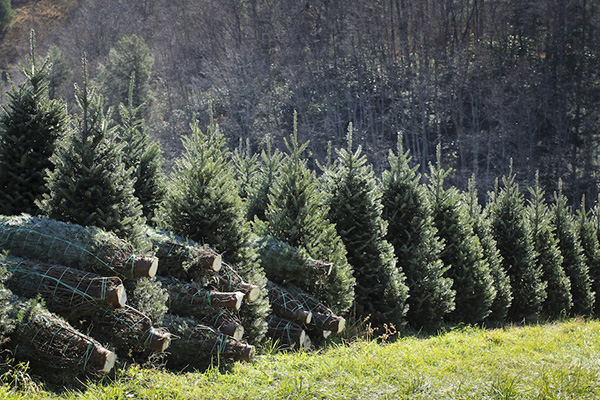
Standing in a muddy field with a pruning saw in hand, you want that evergreen scent to linger past midnight on December thirty-first without sweeping up needles every morning. Most cut conifers stay vibrant indoors for roughly four weeks under ideal conditions; pushing them beyond that mark takes deliberate timing and stubborn hydration. If your goal is a green centerpiece that survives both Christmas dinner and your New Year toast, calendar math must dictate the day you head out to the fields.
The Clock Starts Ticking at the Stump
A freshly severed tree functions like cut flowers in a giant vase. The moment the steel teeth sever the trunk, the vascular system loses root pressure; sap flow halts immediately. Keeping that severed trunk alive requires treating the timber as fragile living tissue rather than decorative lumber.
The Four-Week Biological Limit
Even the hardiest evergreen begins an irreversible decline the hour it leaves the soil. Research supported by the National Christmas Tree Association confirms that conifers maintain peak needle retention for about twenty-eight to thirty days indoors. Expecting an ordinary fir to look pristine for six full weeks invites brittle branches and fire hazards.
Calculating Backwards from New Year's Day
January first sits exactly five weeks after the typical Thanksgiving weekend kickoff. If you cut your evergreen on the Friday after Thanksgiving, it must endure thirty-six days inside a heated house; this timeline exceeds the biological endurance of almost every species. Pushing your purchase back creates a safety margin that guarantees soft foliage through the turn of the calendar.
The Sweet Spot on the Farm Calendar
Consulting a local season calendar reveals that farms usually open right after Thanksgiving, but opening day is rarely the ideal harvest date for longevity. Veteran growers know the sap retreats downward into root systems as autumn chills solidify; cutting after several heavy frosts improves post-harvest needle tenacity. Waiting for the proper December window aligns your home display with the natural dormancy cycle of the timber.
Why the First Week of December Wins
Harvesting between December first and December seventh offers the ideal compromise for extended display. That timeline requires the branches to survive roughly twenty-five to thirty-one days before January arrives. Within this month-long envelope, steady water intake easily offsets the dry indoor air created by modern furnace systems.
The Risk of the Black Friday Rush
Millions of families treat the fourth weekend of November as an unshakeable holiday tradition. While the early farm experience provides great memories, the resulting timber frequently turns to kindling before Santa even slides down the chimney; branches droop under heavy ornaments by mid-December. If you insist on cutting this early, you must embrace aggressive moisture preservation from day one.
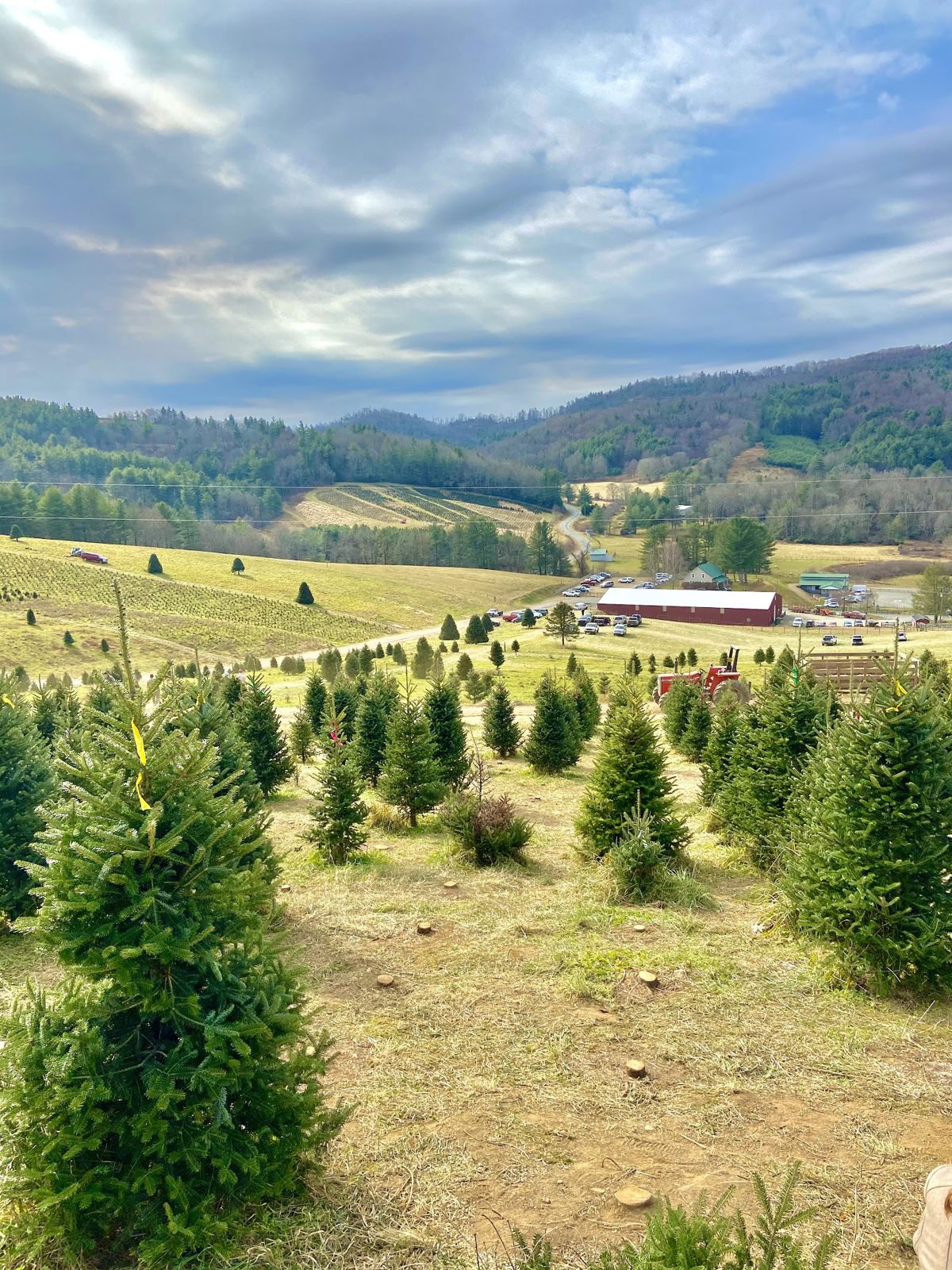
Photo: itsdylanc, Google Maps contributor at Lil' Grandfather Choose and Cut.
Handling an Early Thanksgiving Weekend Cut
Should family schedules force your hand in late November, delay moving the tree into your living room immediately. Store the stump in a bucket of clean water inside a sheltered garage or covered porch out of direct sunlight; low outdoor temperatures drastically slow down internal water evaporation. You can bring the timber indoors a week later without sacrificing that ceremonial cutting trip with the kids.
Weather Factors in Late November
Unseasonably warm autumn weather poses an invisible threat to harvested branches. Conifers harvested during an extended warm spell have not fully shut down cellular respiration; they burn through stored sugars at an accelerated rate. Freezing night temperatures lock moisture into the cell walls before the blade touches bark.
Sourcing Makes or Breaks Tree Longevity
Where you source your centerpiece directly dictates how much biological stamina remains in the wood. A tree shipped across state lines on a flatbed trailer has already lost gallons of water to highway airflow; a field-grown specimen retains every drop until harvest. Using a directory like Farms Near Me allows you to bypass supply chain delays and collect wood directly from the field.
The True Age of Retail Lot Conifers
Commercial parking lot operations purchase wholesale inventory that was harvested weeks before unloading. Many big-box operations take delivery of conifers felled in early November or late October; those trunks have spent weeks baking in plastic netting under drying highway winds. Buying from a retail lot on December fifth might mean purchasing timber that was cut six weeks earlier.
Fresh Harvests at Choose-and-Cut Operations
Taking a hand saw into a local field eliminates all guesswork regarding harvest dates. You know the exact hour your timber fell, which gives you complete control over initial water absorption; no commercial warehouse middleman can compromise your timeline. Preparing your vehicle and packing proper straps from a reliable cut-your-own checklist ensures the timber travels home without wind damage.
Checking Needles Before You Cut
Before notching the bark with your blade, test the natural elasticity of the foliage. Grab an interior branch between your thumb and forefinger then pull toward the tip; healthy needles remain anchored to the twig rather than showering the ground. The outer foliage should feel cool to the touch and spring back instantly when bent into a circle.
Trunk Inspection at the Basal Cut
Look closely at the lower bark line before committing your physical labor to a specimen. A healthy conifer exhibits a pale sapwood ring right beneath the outer bark; this layer carries water upward to thirsty needles. Avoid specimens with cracked bark, dry resin mounds or fungal discoloration around the soil line.
Photo: Brookdale Fruit Farm Inc., Google Maps contributor at Brookdale Fruit Farm.
Species Selection for Extended Durability
Genetic traits heavily govern how many days an evergreen can survive inside dry residential air. Certain varieties possess thick waxy coatings on their needles that trap water vapor; other species shed their needles within days of experiencing root severance. Reviewing a detailed tree species guide helps match your planned display duration with the right conifer biology.
Fir Varieties Built for Moisture Retention
Fraser fir and Canaan fir reign supreme when longevity through the New Year remains your top priority. These species feature flat needles that lock onto branches with remarkable tenacity; their internal vascular channels accept water reliably for over thirty days. Noble firs offer identical endurance across western growing zones, while balsam firs provide stronger fragrance at the expense of slightly faster needle drop.
Pines and Spruces on a Shorter Fuse
White pine holds needles admirably, but its supple branches struggle to support heavy glass heirlooms without sagging toward the carpet. Scotch pine offers stiff branches and dependable retention; its sharp needles make handling a prickly chore. Norway spruce should be avoided entirely if you demand New Year longevity, because that variety drops its needles rapidly once brought inside.
Comparing Regional Conifer Performance
Conifers adapted to your specific climate zone invariably perform best inside local homes. When you browse Christmas tree farms by state, take note of regional staples like the Virginia pine in southern territories or the Grand fir in the Pacific Northwest. Native growers understand which local cultivars tolerate the winter humidity shifts common to your home territory.
Transit and Acclimation Strategies
The journey from the farm ridge to your living room poses severe dehydration risks to vulnerable wood. High wind strips gallons of residual moisture out of exposed conifer branches in mere minutes on the highway. Safeguarding the tree during transport preserves cellular moisture that no amount of stand water can fully replace later.
Highway Speeds Strip Hidden Foliage Moisture
Tying an unwrapped evergreen to the roof rack of a car turns your vehicle into a giant blow-dryer. Wind currents moving at highway speeds pull water directly through stomata openings in the needles; the tree arrives home already parched. Always wrap your timber in burlap or commercial netting, and point the severed stump toward the front bumper to deflect turbulent air.
The Porch Transition Before Setting Up Indoors
Shocking a cold evergreen by hauling it directly from a freezing afternoon into an overheated living room stresses vascular tissues. Let the wrapped timber rest in an unheated garage, barn or breezeway for twenty-four hours before final installation; this gradual warmup prevents rapid sap crystallization. Keep the base resting in a clean bucket of water throughout this staging period.
The Physics of Water Uptake
A cut conifer survives solely through capillary action, pulling water through open vascular tubes called xylem. The moment air pockets penetrate those tubes, sap seals the bottom pores shut like dried glue. Managing that cut surface determines whether your tree drinks steadily through New Year's Eve or starves itself within days.
Making the Essential Half-Inch Base Cut
Within two to four hours of harvest, conifer sap bleeds downward to seal the severed stump against fluid loss. That hardened seal prevents the timber from absorbing fresh water once placed in a stand; you must slice away a flat half-inch disk of wood immediately before setting the trunk in the basin. Make a clean perpendicular cut across the base rather than angling the blade or shaving the sides into a pencil point.
Breaking the Air Lock in the Sap Ducts
If your tree stand runs completely dry even once, dried sap seals the vascular openings within forty-five minutes. When that happens, refilling the reservoir achieves nothing; the tree simply sits in water without absorbing a single drop. You must remove the decorations, lift the tree out and saw off another fresh slice of wood to restart hydraulic capillary action.
Reservoir Capacity and Daily Thirst
During the first week inside your home, a large evergreen consumes one quart of clean water for every inch of trunk diameter. A four-inch trunk demands a full gallon of fresh tap water every single day to offset internal transpiration; small commercial stands rarely hold enough fluid to survive twelve unmonitored hours. Never add aspirin, bleach, corn syrup or commercial preservatives, as plain tap water works best.
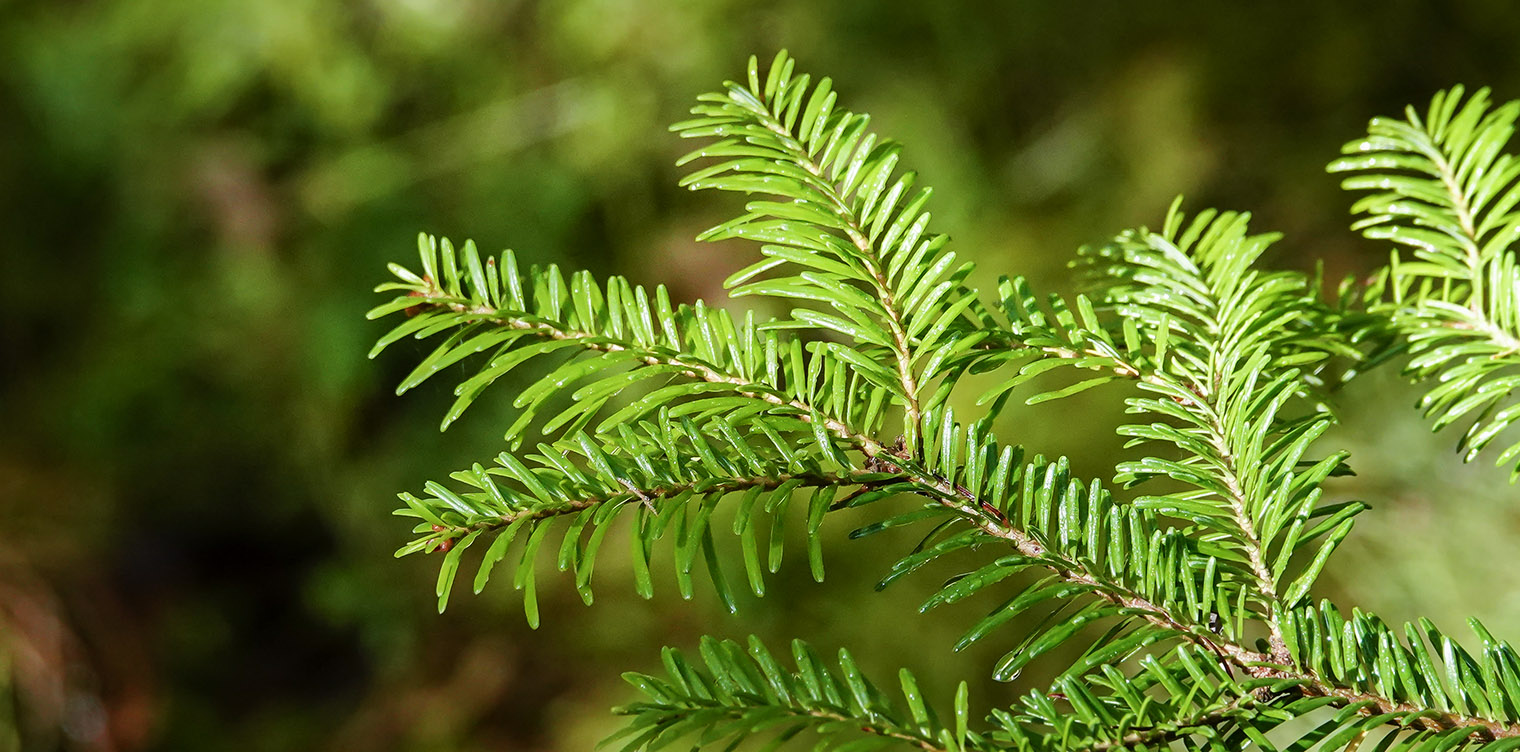
Photo: Adirondack Nature, Google Maps contributor at the Adirondack Mountains.
Managing the Indoor Microclimate
Indoor heating systems operate as atmospheric sponges, stripping ambient moisture out of air and foliage alike. The position of your stand within the room influences its lifespan almost as much as your initial purchase date. Balancing thermal exposure and atmospheric moisture keeps cell structures supple for weeks.
Defending the Tree Against Furnace Vents
Placing your evergreen directly above a floor register or beneath a forced-air furnace vent bakes the needles into tinder within ten days. Keep the stand at least five feet away from active wood stoves, heating ducts, radiators and space heaters; localized convective currents rapidly drain branch moisture. If your floor plan forces placement near a vent, close the register louvers and deflect the airflow elsewhere.
The Surprising Impact of Winter Sunlight
Large picture windows often flood living rooms with bright midday sunshine. While lovely for family gatherings, solar radiation passing through glass panels cooks needles and accelerates the degradation of internal chlorophyll. Close sheer curtains during the brightest afternoon hours, or position the tree just beyond the direct path of the sunbeam.
Recognizing the Point of No Return
Even disciplined caretakers must acknowledge when an evergreen has reached the end of its residential road. When whole branches shed needles at the slightest bump, the cellular tissue has dried past the point of safe recovery. Monitoring branch flexibility alerts you when a decorative tree morphs into a serious indoor fire liability.
Pliable Needles Versus Dry Timber
Gently bend an individual needle in half between your fingers to check its moisture level. A well-hydrated needle bends completely without snapping; an exhausted needle cracks sharply under light pressure like dry pasta. Once outer branches lose all springiness and shed their needles in massive cascades, unplug the string lights immediately.
Closing the Cycle When the Season Ends
When the calendar turns to January second and the festivities conclude, honor the timber by returning its organic matter back to the earth. Look into municipal programs or farm initiatives dedicated to local tree recycling rather than hauling the dried trunk out to a municipal landfill. Chipped conifers create nutrient-rich mulch for public trails, while submerged branches provide vital fish habitats in local conservation reservoirs.