Optimal Timing: Buying Your Fresh Christmas Tree to Last
Published September 9, 2026 · By Christmas Tree Farm Finder
The crisp air bites at your cheeks, the scent of pine fills your lungs, and the cheerful shouts of families echo between rows of evergreens; there is nothing quite like the experience of finding your perfect Christmas tree. It is a tradition steeped in magic, a sensory delight that marks the true beginning of the holiday season. But once you have chosen that magnificent specimen, the next challenge emerges: how do you make sure its beauty endures, keeping needles green and fresh all the way through the festive New Year celebrations? The secret, it turns out, often begins with timing your purchase just right.
Understanding Your Fresh Tree's Lifespan
A fresh-cut Christmas tree is a living organism, even after it has been harvested; it needs care to thrive. Like a bouquet of flowers, it will eventually dry out, but proper hydration can significantly extend its vitality. Most healthy, well-cared-for firs, spruces, and pines can last four to six weeks indoors without excessive needle drop, some even longer under ideal conditions. This natural lifespan is the primary factor dictating your optimal purchase window.
Factors Influencing Tree Longevity
Several elements play crucial roles in how long your Christmas tree remains vibrant and lush. The species of tree you choose makes a difference, with some varieties naturally retaining needles better than others; Fraser Firs and Noble Firs are renowned for their excellent needle retention, for example. The freshness of the cut is paramount, meaning how recently the tree was harvested before you take it home. Your home environment, including temperature and humidity, also impacts its longevity, as does the consistent availability of water in its stand.
The Ideal Purchase Window for Lasting Freshness
To ensure your tree looks its best for Christmas Day and continues to grace your home through New Year's, a strategic purchase date is key. Aim for the last week of November or the first two weeks of December. This timeframe typically allows for plenty of selection at the farm while ensuring the tree has sufficient vigor to last five to six weeks. Buying too early can lead to a dried-out tree by Christmas, whereas waiting too long might limit your selection.
Balancing Selection and Longevity
The perfect buying window is a delicate balance between securing a prime specimen and maximizing its time indoors. If you visit a farm the weekend after Thanksgiving, you will have the widest selection of sizes and species; this is often when the farm's inventory is at its peak. However, if your celebrations stretch well past Christmas, waiting until the second week of December ensures the tree is as fresh as possible for the longest duration, though your choices may be slightly reduced.
Assessing Tree Freshness at the Farm
When you arrive at the farm, knowing how to spot a truly fresh tree is as important as the purchase date itself. A fresh tree's needles should be pliable and difficult to pull off; they should snap crisply if bent sharply. Give the tree a gentle shake; very few green needles should fall off, although some loose brown interior needles are normal. The trunk butt should be sticky with resin, not dry or cracked.
The "Snap Test" for Branches
A quick way to gauge a tree's hydration is the snap test on a small outer branch. Carefully bend a small branch or a few needles; fresh ones will be flexible and springy. If they snap cleanly with little effort, the tree has already begun to dry out significantly, indicating it was cut a while ago or has been poorly stored. Avoid any trees exhibiting this brittle characteristic, as they will not last.
Preparing Your Tree for Home
Once you have selected your perfect tree, immediate preparation is vital for its longevity. After securing it for the journey home, you will need to make a fresh cut on its trunk. Cut off about an inch from the bottom of the trunk to remove any sap that has sealed the wood's pores; this allows the tree to drink water effectively. Without this fresh cut, your tree might not absorb water, leading to rapid drying.
The Critical Role of Water
Immediately after making that fresh cut, place your tree into a sturdy stand that holds plenty of water. Check the water level daily, especially during the first week; a freshly cut tree can drink a gallon or more of water in its initial 24 hours. Allowing the water level to drop below the base of the trunk will cause sap to re-seal the cut, preventing future water absorption and shortening its life significantly.
Optimal Placement and Environment Indoors
Where you place your tree inside your home directly impacts its freshness and safety. Choose a cool location away from direct sunlight, heating vents, fireplaces, and radiant heat sources like televisions or stereos. These heat sources accelerate moisture loss, causing the tree to dry out faster and increasing fire risk. A cooler room or a corner away from these elements is ideal.
Humidity and Temperature Considerations
Lowering your thermostat a few degrees, especially at night, can also help slow the tree's drying process. If you have a humidifier, placing it near the tree can add ambient moisture, further reducing water loss from the needles. A consistent, cool, and somewhat humid environment will help your tree remain vibrant and fragrant throughout the holidays, protecting its natural beauty for weeks on end.
The Best Tree Species for Longevity
Some Christmas tree species are simply better at retaining their needles than others, a crucial factor if you want your tree to last through New Year's. Fraser Firs, Noble Firs, and Grand Firs are top contenders for needle retention and their pleasant aroma. Douglas Firs and Concolor Firs also perform well and offer a wonderful citrusy scent. Spruce trees, while beautiful, tend to drop their needles more quickly than firs, making them a less ideal choice for extended display. For more details on choosing the right one, check out our tree species guide.
Understanding Species-Specific Care
Even within the same family, different species may have slight variations in their care requirements; some firs are more prone to dryness than others, for example. Researching your preferred tree type before you head out to browse Christmas tree farms by state can help you anticipate its needs. Regardless of species, consistent hydration remains the most critical factor for longevity.
Monitoring and Maintenance Through the Season
Throughout its time in your home, your Christmas tree requires ongoing attention to remain fresh. Continue to check the water reservoir daily, refilling it as needed. Periodically misting the needles with water can also help, particularly if your home is dry; this provides a temporary boost of hydration. As the weeks pass, you may notice a few more needles dropping, which is a natural progression.
When to Consider Tree Removal
Even with the best care, there comes a point when a fresh Christmas tree has served its purpose and needs to be removed. Once the needles become brittle and dry, shedding easily when touched, the tree is no longer safe or aesthetically pleasing. It is better to remove a tree before it becomes excessively dry, reducing potential fire hazards and allowing for easy cleanup. Many communities offer tree recycling programs in early January.
Planning Your Farm Visit
To make the most of your trip to a Christmas tree farm, planning ahead is beneficial. Check the farm's operating hours and available inventory before you go; some farms open as early as mid-November, while others wait until Thanksgiving weekend. Dress warmly, wear sturdy shoes, and bring gloves if you plan to cut your own tree. A tarp or old blanket is also useful for protecting your car on the journey home.
Making it a Memorable Experience
Beyond the practicalities, remember that visiting a Christmas tree farm is an experience in itself. Many farms offer hayrides, hot cocoa, and even visits with Santa, turning the tree hunt into a cherished family outing. Embrace the tradition; take your time selecting the perfect tree, enjoy the crisp outdoor air, and create lasting holiday memories. A well-planned visit ensures you get a beautiful, long-lasting tree and an unforgettable start to your holiday season. You can find Farms Near Me that offer these kinds of festive opportunities.
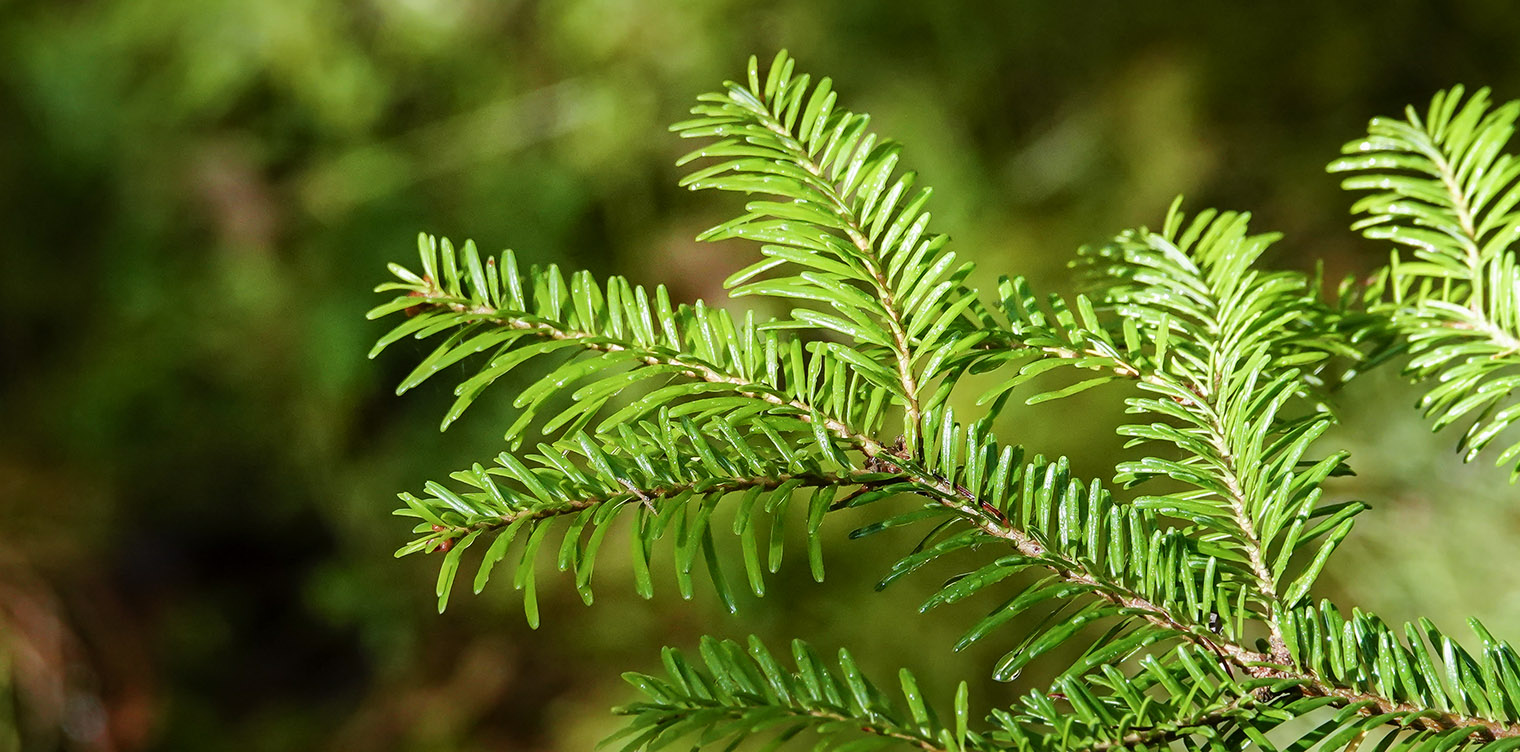
Photo: Adirondack Nature, Google Maps contributor at the Adirondack Mountains.
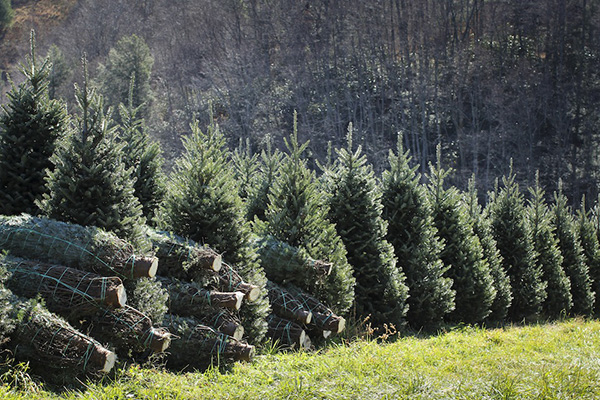
Photo: NC Christmas Tree Association, Google Maps contributor at a North Carolina Fraser fir farm.
Photo: Michael, Google Maps contributor at Brookdale Fruit Farm.