Optimal Time to Buy a Fresh Christmas Tree for Lasting Beauty
Published September 23, 2026 · By Christmas Tree Farm Finder
The scent of pine needles, that crisp winter air, the excited chatter of families bundled in scarves and hats—there’s nothing quite like the pilgrimage to a Christmas tree farm. Finding that perfect tree, the one that calls your name from a field of thousands, is a cherished annual tradition for many; but the timing of that adventure is crucial if you want your tree to remain vibrant and fragrant well into the New Year. It's a balance of tradition, practical knowledge, and a little bit of magic.
The Optimal Window for Tree Selection
Choosing the right moment to buy your fresh Christmas tree is key to its longevity. While the temptation to get an early start might be strong, waiting just a little can make a significant difference; too early, and you risk a dried-out tree by Christmas; too late, and you might miss the best selection. The sweet spot generally falls within the two to three weeks leading up to Christmas Day. This allows for ample time to decorate and enjoy your tree, ensuring it remains fresh and vibrant through New Year’s celebrations.
Balancing Freshness and Selection
Visiting the farm too early, say the first weekend of November, means you're among the first to pick; this guarantees the widest selection of trees. However, those trees, even if perfectly healthy when cut, will have a longer life ahead of them in your home, potentially stressing their freshness towards the end of December. Conversely, waiting until the second or third week of December limits your selection considerably; the prime specimens will likely be gone, leaving you to choose from what remains. The ideal timing balances these two factors, aiming for maximum freshness while still providing a good range of options.
Why Mid-to-Late November is Ideal
For many, the weekend after Thanksgiving marks the unofficial start of the Christmas season; it's a perfect time to head to the farm. Most tree farms begin their cutting operations around this period, meaning the trees available are truly fresh. This timing provides about four weeks until Christmas, giving your tree ample time to settle into its stand and hydrate properly, thus extending its life. A tree cut in late November, properly cared for, will easily last into the first week of January.
Understanding Tree Freshness
A tree's freshness directly dictates its lifespan in your home. When you're out on the farm, whether you're selecting a pre-cut tree or one you'll cut yourself, knowing how to assess its vitality is paramount; a fresh tree will be supple and fragrant, whereas a dry one will quickly become a fire hazard and a source of frustration. Taking a few moments to examine a tree before committing can save you weeks of disappointment.
How to Gauge a Tree's Vitality
There are several simple tests to determine if a tree is fresh. First, gently grasp a branch and pull your hand towards you; the needles should remain firmly attached. If a significant number of needles fall off, particularly from the interior branches, the tree is likely dry. Second, bend a needle between your fingers; fresh needles will be pliable and snap crisply, not feel brittle. Third, look at the color of the needles; they should be bright and green, not dull or yellowish. Finally, tap the base of the tree on the ground; if excessive needles fall, pass on that tree.
The Importance of a Fresh Cut
Even a perfectly fresh tree from the field needs a new cut at its base before it goes into water. Once a tree is cut, sap quickly seals the tiny capillaries that absorb water; this seal prevents proper hydration. Before you place your tree in its stand, saw off about half an inch from the bottom of the trunk. This reopens those water-absorbing vessels, allowing the tree to drink freely and maintain its freshness for weeks. Without a fresh cut, your tree will struggle to hydrate, no matter how much water you provide.
The Role of Tree Species in Longevity
Not all Christmas tree species are created equal when it comes to needle retention and overall hardiness. Some varieties naturally hold their needles longer than others, making them excellent choices for those who want their tree to last well past New Year’s Day; understanding these differences can help you make a more informed choice at the farm. For example, some trees, like the Fraser Fir, are known for their exceptional needle retention.
Top Performers for Endurance
If longevity is your top priority, consider species renowned for their needle retention. Fraser Firs are consistently praised for their ability to hold needles for an extended period; their strong branches are also excellent for heavy ornaments. Balsam Firs are another excellent choice, offering a classic Christmas scent and good needle retention, though perhaps not quite as long as the Fraser.
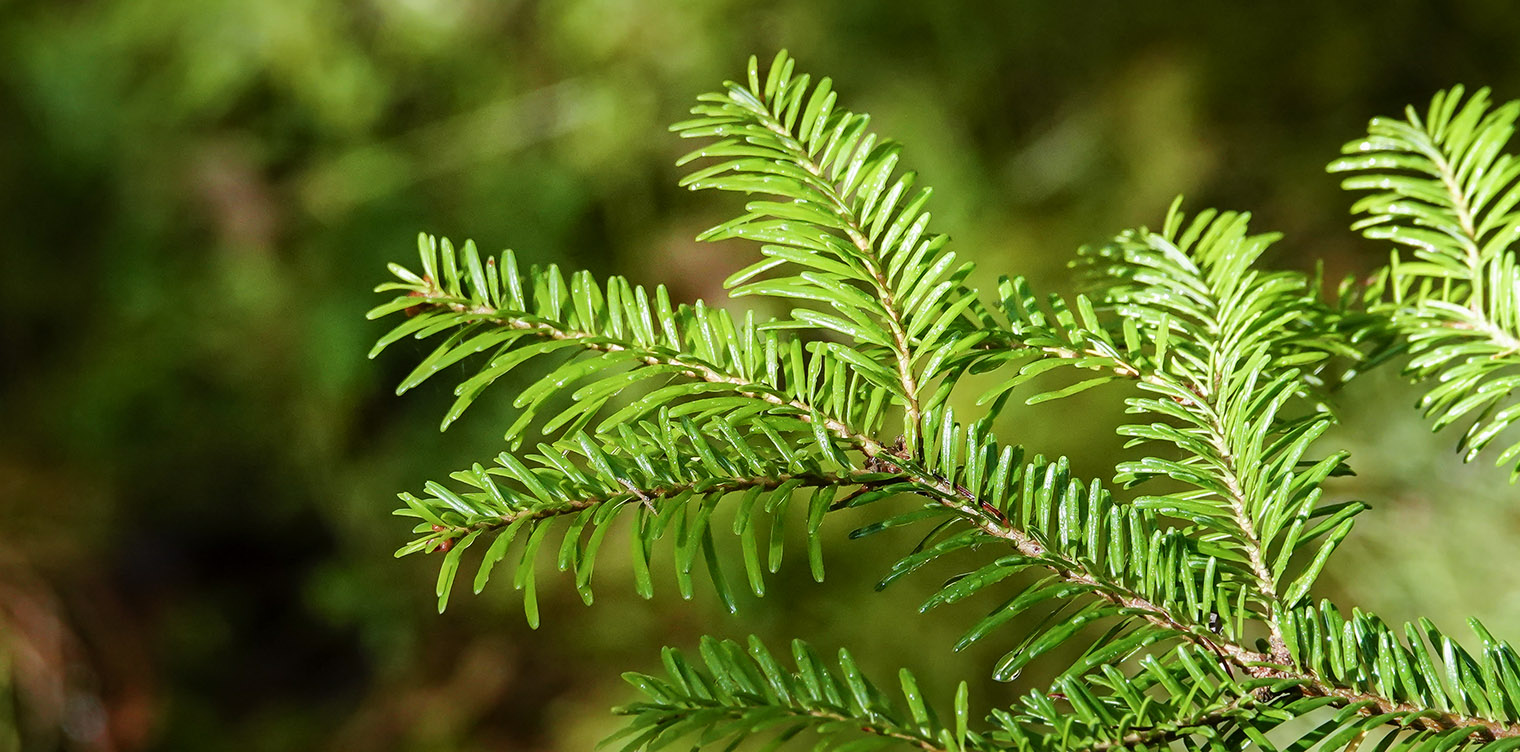
Photo: Adirondack Nature, Google Maps contributor at the Adirondack Mountains.
Nordmann Firs Also Perform Exceptionally Well
Nordmann Firs also perform exceptionally well; they have very soft, dark green needles that are surprisingly durable. These varieties typically fare better in warmer indoor environments.
Good Choices with Proper Care
Other popular species like Scotch Pine and White Pine can also last a long time with proper care. Scotch Pines have stiff needles and branches, making them easy to decorate, and they tend to retain their needles well. White Pines have long, soft needles and a pleasing aroma; while they may not hold needles quite as long as the Firs, consistent hydration will keep them looking good for several weeks. Knowing your preferred species can also help you narrow down your search when you browse Christmas tree farms by state.
Species to Approach with Caution for Longevity
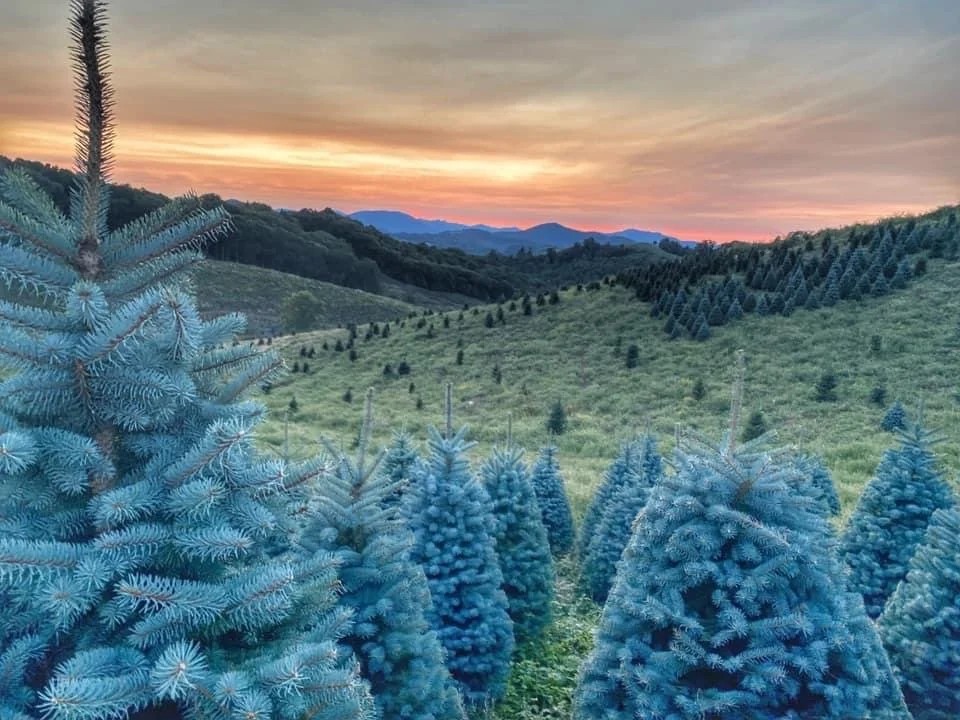
Some beautiful tree species are known for quicker needle drop, making them less ideal if you need a tree to last more than three weeks. Colorado Blue Spruce, for example, is stunning with its silvery-blue needles and strong branches; however, its needles tend to dry out and drop more rapidly than other varieties, especially if not kept consistently watered. Similarly, Douglas Firs, while fragrant and popular, can also be prone to earlier needle drop. If you adore these types, plan to buy them closer to Christmas Day, perhaps just two weeks before, to ensure they remain fresh through the holiday. For more details on various options, check our tree species guide.
The Crucial Role of Hydration
Once your fresh tree is home and set up, its lifespan hinges almost entirely on consistent hydration. A well-hydrated tree is not only beautiful but also safer; dry trees are a fire hazard. Think of your Christmas tree as a giant cut flower; it needs a constant supply of water to thrive.
Immediate Water Upon Arrival
The moment your tree enters your home, it needs water. After making that fresh cut on the trunk, immediately place the tree in a sturdy stand designed to hold plenty of water. Many stands now come with reservoirs that can hold a gallon or more; this capacity is vital. Do not wait to add water, even for an hour; the sap will begin to re-seal the cut. Use plain tap water, not hot water or additives like sugar or aspirin; these have not been scientifically proven to extend tree life and can sometimes even promote mold growth.
Daily Water Monitoring
Check your tree's water level daily, sometimes even twice a day, especially during the first week. Trees can drink a surprising amount of water, particularly when they are initially settling in; a newly cut tree might absorb a gallon or more in the first 24 hours. Allowing the water level to drop below the base of the trunk, even for a few hours, can allow the sap to reseal the cut, effectively stopping the tree from drinking again. This oversight is one of the most common reasons trees dry out prematurely. Consistency is key.
Location Matters for Hydration
The placement of your tree within your home also impacts its hydration needs. Avoid placing your tree near heat sources like fireplaces, heating vents, or direct sunlight; these accelerate drying. Cooler parts of the room are ideal. If you have particularly dry indoor air, a humidifier nearby can help, though consistent watering of the stand remains the primary method for keeping your tree fresh. Keeping it away from heat reduces stress on the tree, allowing it to retain moisture more effectively.
Final Touches for Long-Lasting Beauty
Beyond timing and hydration, a few additional steps can contribute significantly to your tree's longevity and overall beauty throughout the season. These small efforts ensure that your festive centerpiece remains a source of joy, not a shedding nuisance. From the moment you pick your tree until you prepare it for tree recycling, every step contributes to its fresh appearance.
Proper Preparation at the Farm
When you select a tree, whether you cut it yourself or choose a pre-cut one, ensure it's baled properly for transport. Baling compresses the branches, making it easier to transport and protecting them from damage during the journey home; this prevents excessive needle loss before it even gets into your stand. Many farms offer baling services, so take advantage of them. For those who enjoy the hands-on experience, our cut-your-own checklist offers useful tips for the day.
Gradual Acclimation for Optimal Freshness
Bringing a tree directly from freezing outdoor temperatures into a warm home can sometimes shock it. If possible, allow your tree to acclimate for a day or two in a cooler, sheltered spot like a garage or porch before bringing it inside. This gradual transition helps the tree adjust to the change in environment, reducing stress and potentially extending its freshness. During this period, ensure the trunk is submerged in water to start its hydration.
Monitoring for Early Warning Signs
Even with the best care, it's wise to monitor your tree for signs of dehydration as the weeks pass. Increased needle shedding, a brittle feel to the needles, or a loss of vibrancy in color are all indicators that your tree is drying out. If you notice these signs, double-check your water levels and ensure the base of the trunk is fully submerged. Sometimes, making another fresh cut and placing it in new water can help revive a struggling tree, though this is a last resort. For planning your visit, consult our season calendar to see farm opening dates.
Making Memories, Sustainably
Choosing a fresh Christmas tree from a local farm is a wonderful tradition; it supports local agriculture and provides an authentic holiday experience. Knowing the best time to buy your tree, how to select a fresh one, and how to care for it will ensure that your family enjoys its beauty and fragrance from early December all the way through the New Year's celebrations. This mindful approach to tree selection and care elevates the entire holiday experience. For information on local options, search for Farms Near Me. This tradition is not only about the tree itself but the cherished moments created around it, year after year. For further insights on Christmas tree care and information, consider consulting resources like the National Christmas Tree Association.
Photo: Michael, Google Maps contributor at Brookdale Fruit Farm.
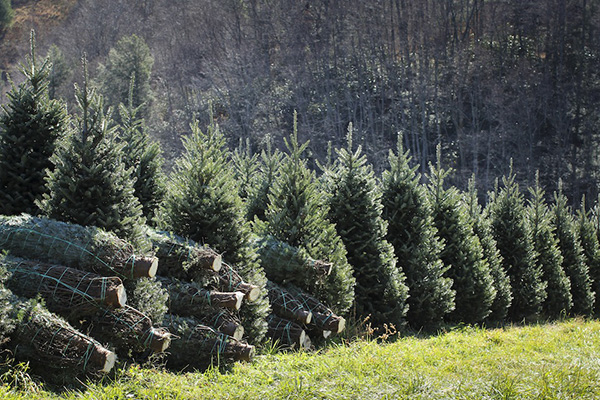
Photo: NC Christmas Tree Association, Google Maps contributor at a North Carolina Fraser fir farm.